

As fashion brands and textile suppliers navigate an increasingly complex regulatory landscape in Europe, another major shift is right around the corner. While many in the industry are still adapting to the requirements of the Ecodesign for Sustainable Products Regulation (ESPR), the European Union is rolling out Regulation (EU) – the Packaging and Packaging Waste Regulation (PPWR).
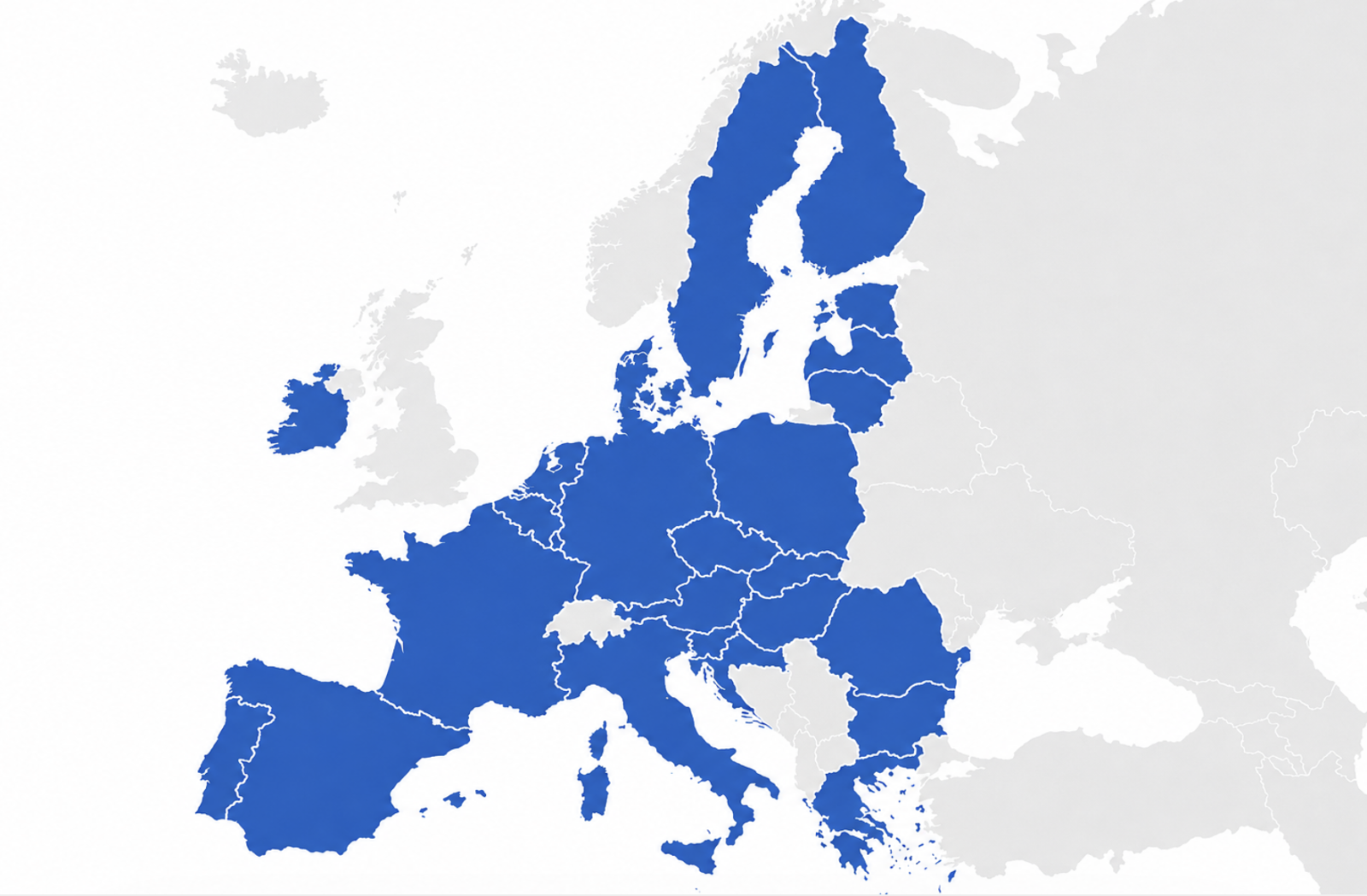
Set to apply directly across all 27 EU member states starting 12 August 2026, the PPWR is designed to drastically reduce packaging waste, eliminate non-recyclable materials, and harmonize standards.
For independent fashion labels, deadstock fabric sourcers, textile mills, and international sellers, the impact is immediate and practical. Here is a comprehensive breakdown of what PPWR entails and how your brand should prepare.

What Is PPWR and Why Is It Different?
The PPWR replaces the original 1994 Packaging and Packaging Waste Directive. As a Regulation (rather than a Directive), it has a direct effect:
-
It applies identically in all 27 EU member states without requiring national transposition into local laws.
-
There is no grace period for packaging placed on the market from 12 August 2026 onwards (though existing packaging stock placed on the market prior to that date can still be sold through).
-
There are no exemptions based on company size or shipping volume. Whether you are a global enterprise shipping thousands of garments or a boutique label sending a handful of swatch cards, the rules apply.
What Counts as Packaging in Fashion & Textiles?
Many brands assume packaging simply means corrugated shipping boxes or plastic mailing bags. Under the PPWR, everything added to protect, present, or ship a product is classified as packaging.
This includes:
-
Outer cardboard cartons and poly mailers.
-
Polybags used to protect individual garments or fabric rolls.
-
Tissue paper, branded stickers, and ribbon wraps.
-
Hangtag attachments, seal clips, and safety strings.
-
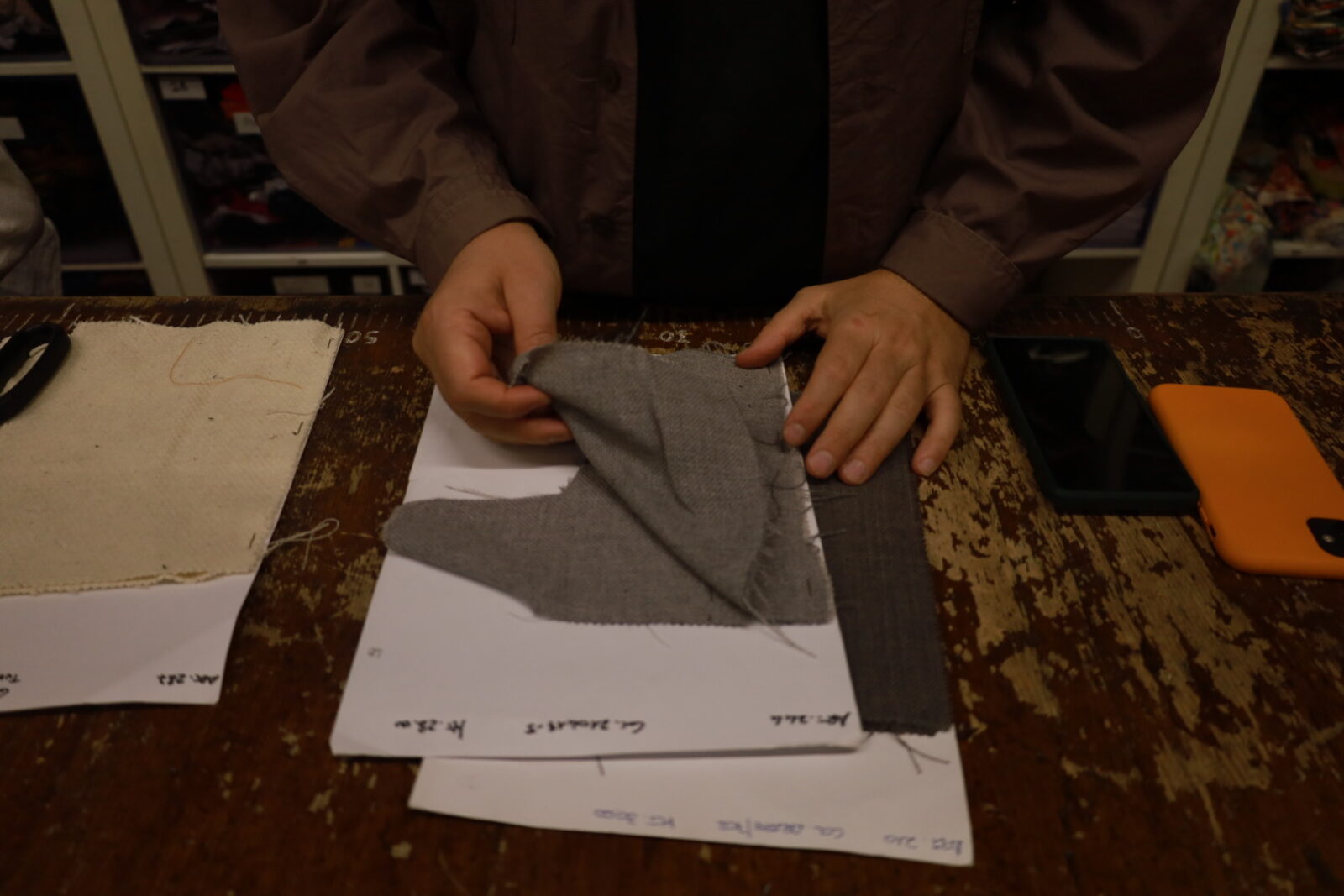
Fabric swatches, sample headers, and swatch books sent to prospective clients.
Both B2C consumer deliveries and B2B shipments (e.g., fabric rolls sent from mills to garment factories or samples sent from agencies to fashion houses) fall directly within the scope of this regulation.

Key Obligations Taking Effect on 12 August 2026
If you place packaged goods on any EU market, you must comply with several immediate core requirements:
A. Producer Marking & Traceability
All packaging must clearly display the name or trademark and physical postal address of the manufacturer or importer responsible for placing it on the market.
B. Declaration of Conformity (DoC)
A technical Declaration of Conformity is required for every distinct packaging type you use. Brands must collect and hold technical documentation from their packaging manufacturers proving compliance with substance limits, recyclability, and structural design standards.
C. Restrictive Substance Limits
Strict caps are enforced on heavy metals and hazardous chemicals (including PFAS restrictions in food-contact packaging and overall chemical limits across industrial packaging materials).
D. Packaging Minimisation (The “Anti-Air” Rule)
To eliminate oversized packaging, the empty space inside grouped packaging and e-commerce parcels is capped at a maximum of 40%. Packaging must be tailored tightly to the volume of the contents.
E. Extended Producer Responsibility (EPR) Registration
You must register for Extended Producer Responsibility in every single EU member state where your business is considered the “first person” to make packaging available.
The Administrative Challenge: National EPR Registers
While the actual financial fees for EPR—charged per weight and material type—are relatively modest for small to mid-sized brands, the administrative friction is significant.
There is no single, unified EU-wide EPR license. Registration remains strictly national:
-
Shipping into Germany requires registration in the LUCID register.
-
Shipping into Poland requires BDO compliance.
-
Shipping into France requires registration with Citeo or equivalent PROs.
-
Shipping into Italy requires compliance through CONAI.
Each member state runs its own portal, its own reporting calendar, and its own compliance contracts. For brands shipping across Europe, this creates parallel administrative tracks for every target market.
Practical Checklist: How Fashion Brands Should Prepare
To avoid distribution delays and non-compliance penalties ahead of August 2026, we recommend taking the following structured steps:
-
Audit Your Packaging Inventory: Audit every single packaging item you use (mailers, polybags, tissue, hangtag fasteners, swatch sleeves). Record exact material compositions and unit weights.
-
Calculate Volume per Country: Track annual total packaging weights by material type for each EU country you ship into.
-
Map Your Distribution Markets: Identify the EU member states where your company acts as the primary entity placing packaging on the market.
-
Request Declarations of Conformity: Contact your packaging suppliers immediately to obtain DoCs and material compliance certificates for all packaging products.
-
Update Artwork & Print Layouts: Integrate producer identification details (name and postal address) directly onto your packaging designs or labels.
-
Optimize Parcel Dimensions: Measure your shipping boxes and mailer bags against your average shipment sizes to ensure empty space remains under the 40% limit.
-
Register in Priority Markets: Complete EPR registrations in national registers where you maintain significant shipping volumes.
Final Thoughts
The EU Packaging and Packaging Waste Regulation is a clear signal that sustainability in fashion extends far beyond raw fabrics and garment construction—it encompasses the entire journey of the product from mill to end consumer.
At our agency, we believe that staying informed on regulatory shifts is essential to building a resilient, future-proof fashion supply chain. By auditing your packaging today, you protect your brand from administrative bottlenecks tomorrow.