

If you sell clothing in the European Union, the ground under your feet is shifting. The EU officially passed a massive new set of rules called the Ecosdesign for Sustainable Products Regulation (ESPR / EU 2024/1781).
Whether you’re an independent brand, a growing label, or someone working with deadstock, this legislation is going to change how you buy fabrics, document production, and talk to your customers.
Here is the complete, straightforward breakdown of what is happening, why basic care labels are dead, and how to navigate fabric sourcing under the new rules.
What is ESPR and Why Does It Exist?
In short, the EU wants to put an end to fast, disposable fashion and vague “green” claims. ESPR is designed to force the industry away from the old “take-make-waste” model and toward a circular setup where products are actually built to last.
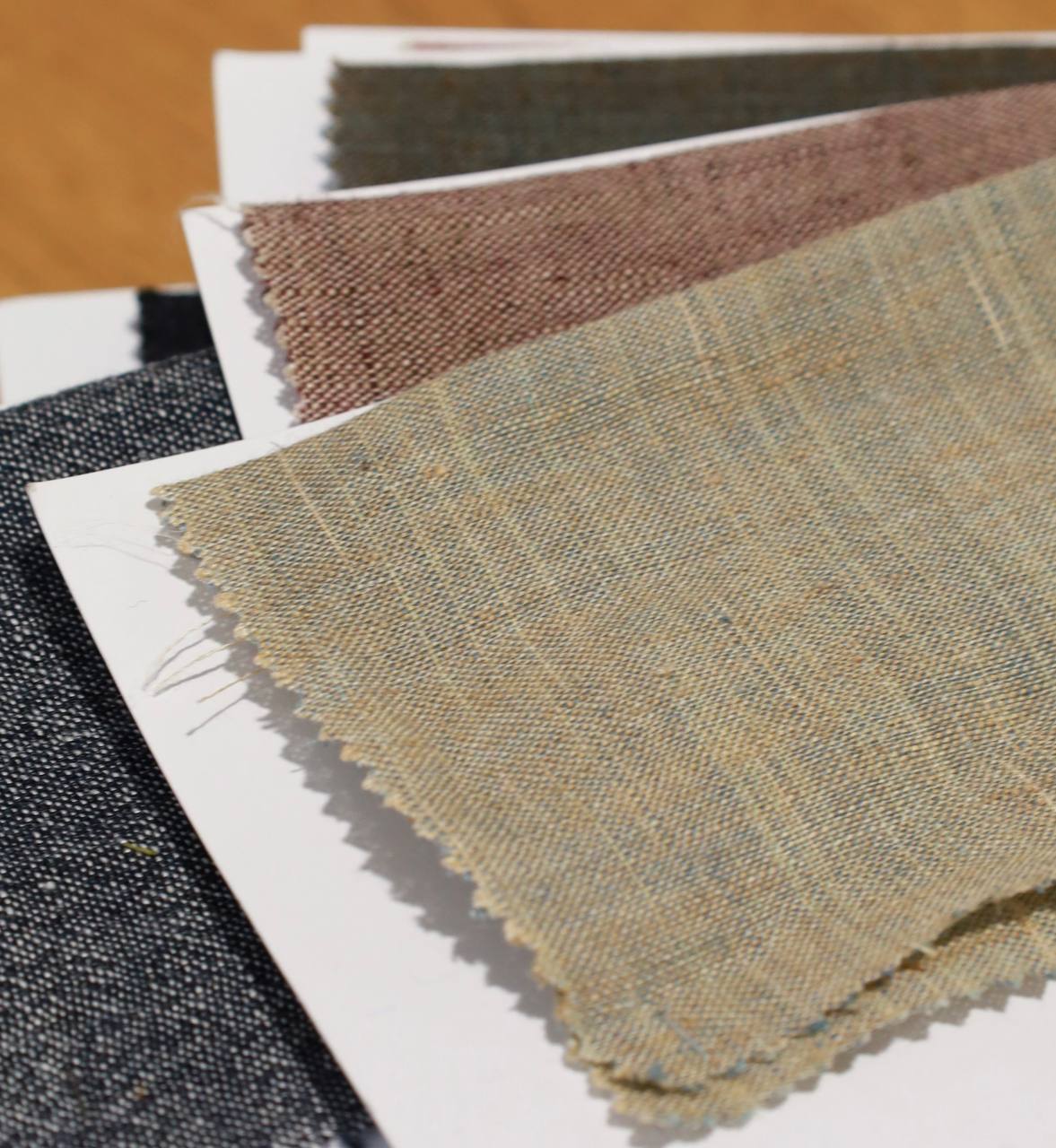
Textiles and clothing are right at the top of the EU’s priority list. The reason is simple: the fashion industry uses insane amounts of water, heavy chemicals, employs over 300 million people globally, and wastes hundreds of billions of dollars every year on clothes that barely get worn.
The 5 Pillars of ESPR Product Design:
Durability: Garments must be made well enough to survive repeated wearing and washing without falling apart.
Repairability: Clothes should be easy to fix, not impossible to repair the second a seam pops.
Recyclability: Materials need to be blended in ways that make fiber-to-fiber recycling actually possible at the end of their life.
Resource Efficiency: Cutting down on fabric waste, water, and energy right from the start of production.
Traceability & Product Data: Every single step of your supply chain needs to be backed up by real, verifiable data.
Plus, there’s a big headline rule: the EU is officially banning brands from destroying unsold stock and leftover garments.
Demystifying Greenwashing: Why Vague Claims Are Over
For years, fashion marketing has been flooded with vague buzzwords like “eco-friendly,” “sustainable,” “conscious,” or “green.” Under the new EU rules, that’s officially over.
Greenwashing usually happens in three ways:
- Vague Language: Throwing around terms that don’t actually have a clear legal definition.
- Emotional Marketing: Using pretty photos of nature, green colors, and emotional stories instead of hard facts.
- Selective Truth: Bragging that a shirt is “20% organic cotton” while ignoring that the rest is cheap synthetic fiber processed with heavy chemicals.
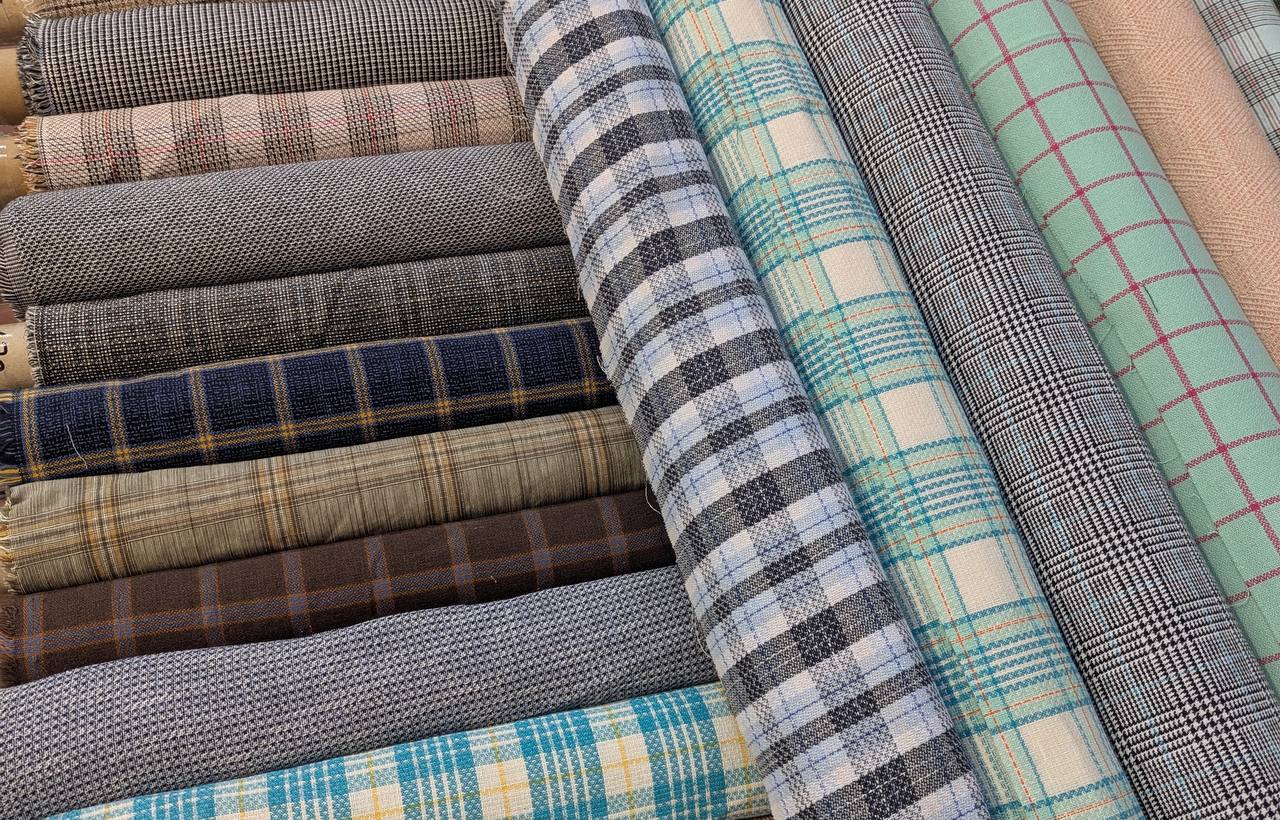
From now on, marketing copy alone won’t fly.
Every claim on your labels or website must be backed by concrete data on fiber origin, lifecycle impact, and chemical safety.
The Big Change: Digital Product Passports (DPP)
Right now, a tag inside a jacket usually says something basic like: “100% Cotton. Made in Portugal.” Under ESPR, that’s nowhere near enough.
Every garment will need a Digital Product Passport (DPP)—a QR code, RFID tag, or digital link on the item that lets buyers and inspectors scan it to see its entire backstory:

|
Category |
Real Data Required in a DPP |
|
Fiber & Material Composition |
Exact percentages of natural, synthetic, or cellulosic fibers; fiber origin; raw material certificates. |
|
Supply Chain Traceability |
The actual mills, dye houses, finishing facilities, and factories used. |
|
Chemical Transparency |
Details on dye classes, functional treatments, and proof of safe chemical limits. |
|
Environmental Footprint |
Water usage, carbon metrics, and lifecycle evaluation data. |
|
Care & End-of-Life |
Clear instructions for care, local repair options, and how to recycle the garment. |
You no longer just have to prove what your clothes are made of. You have to prove how they were made.
When Is This Happening?
Don’t panic,it won’t happen overnight. The EU is rolling this out in phases:
- July 18, 2024: ESPR officially became law.
- 2025–2026: The EU is hammering out the specific technical details and testing rules for textiles.
- 2026–2030: Mandatory rules and Digital Passports start rolling out step-by-step, product by product.
Even though enforcement is staggered, gathering verified supply chain data takes months. Brands that start getting their fabric data in order now will have a massive advantage over those scrambling at the deadline.
The Documentation Challenge
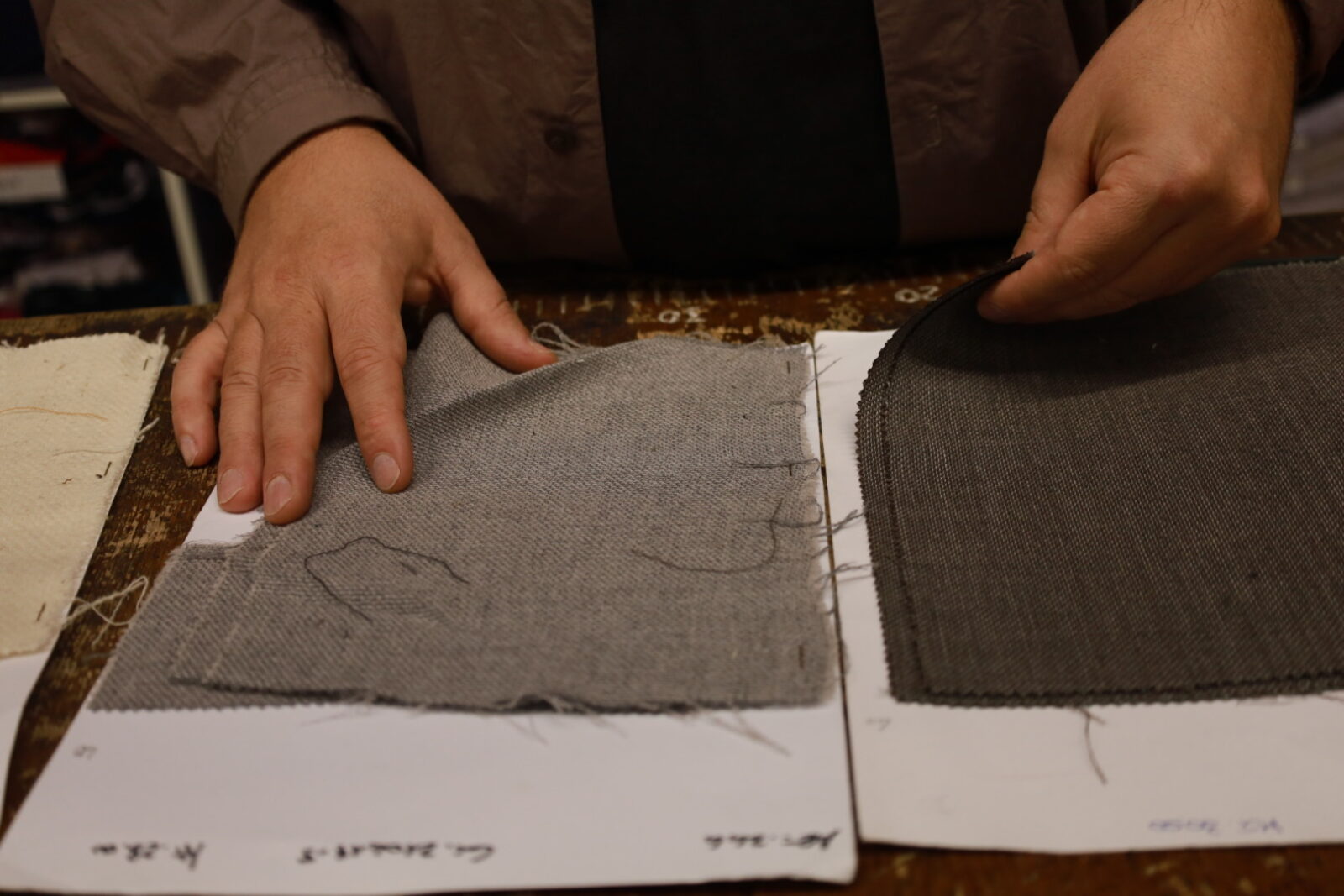
The biggest issue with deadstock isn’t the quality of the fabric—it’s the data. Because deadstock is clearance surplus, the original specification sheets are often lost. To use deadstock under DPP rules, buyers will need to actively get 5 things from suppliers:
- Exact Fiber Composition: No guessing percentages.
- Technical Specs: Weight (GSM), weave, or knit construction.
- Country of Origin: Where the mill made it (where known).
- Safety & Chemical Declarations: Proof or certificates showing no banned/harmful chemicals were used.
- Supplier Declarations: Official paperwork verifying where the surplus lot came from.
Going forward, a fabric’s documentation will be just as valuable as the fabric itself.
Action Checklist: How Your Brand Can Prepare Today
You don’t need to panic, but starting these steps now will save you massive headaches later:

- Audit Your Suppliers: Start asking your fabric suppliers for full tech spec sheets and chemical safety certificates right now.
- Pick Traceable Partners: Work with textile agents and suppliers who actually give you verified docs for every lot.
- Design “Fabric-First”: Test fabric behavior (drape, stretch, weight) early so you don’t waste meters during sampling.
- Clean Up Your Copy: Audit your website. Ditch generic words like “eco-friendly” unless you have hard proof.
- Organize Your Data: Keep spec sheets, mill details, and care notes in one clean digital folder ready for future DPP systems.
How CONSTRVCTOR Helps
At CONSTRVCTOR, our job goes way beyond just finding nice fabrics. Operating straight out of Prato, Italy – Europe’s hub for textile innovation and deadstock—we make sure your materials are actually ready for these new rules.
Here is how we handle it:
- In-Person Inspections: We visit mills and stock houses in Prato ourselves to verify quality and origins.
- Real Documentation: We provide clear, transparent data on fiber breakdown and specs for our deadstock.
- Honest Transparency: We help you see exactly what data is known and what isn’t, so your labels stay 100% compliant and honest.