

FROM DANCE CRAZE TO MODERN ART

Yayoi Kusama, artist
The Birth of Intricate Patterns
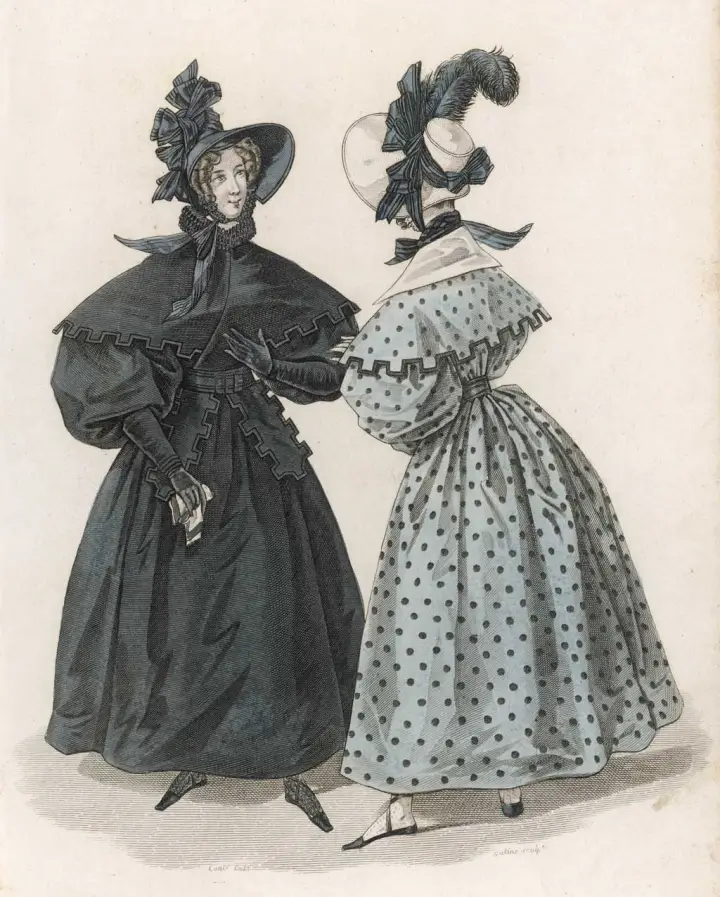
Before the Industrial Revolution, fabric production was a domestic craft: uneven, human, and slow. The idea of a perfectly round, evenly spaced dot didn’t exist yet. Printing and weaving techniques couldn’t deliver that kind of precision. Circular motifs appeared distorted and often evoked discomfort, reminding people of skin diseases like measles and pox.
By the mid-18th century, as textile mills began opening in Europe, new machinery changed everything. Mechanized looms and later the sewing machine (patented in 1791) made repetition and accuracy part of textile language. The dot went from something unsettling to something decorative, entirely thanks to technology.
The Name with Rhythm
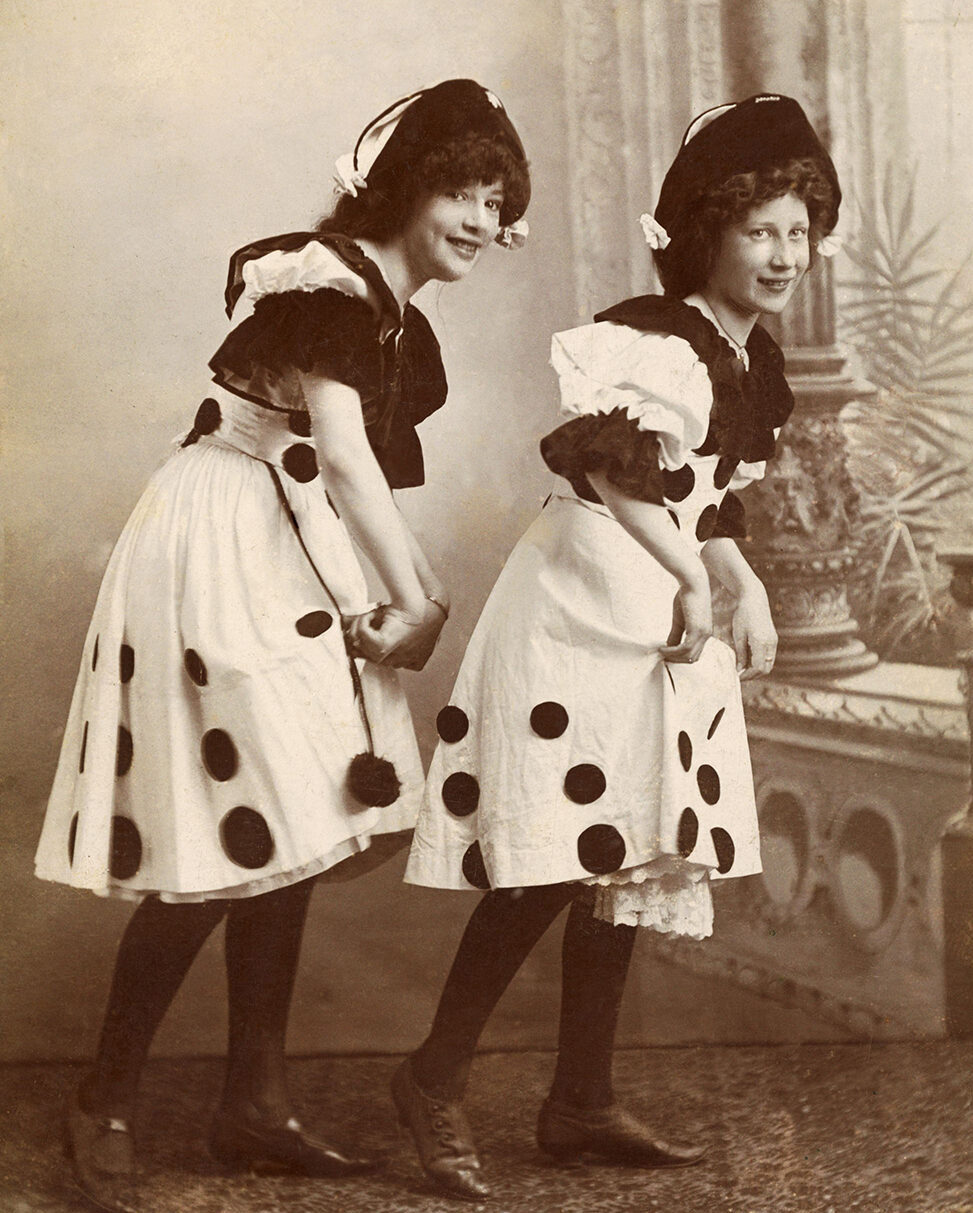
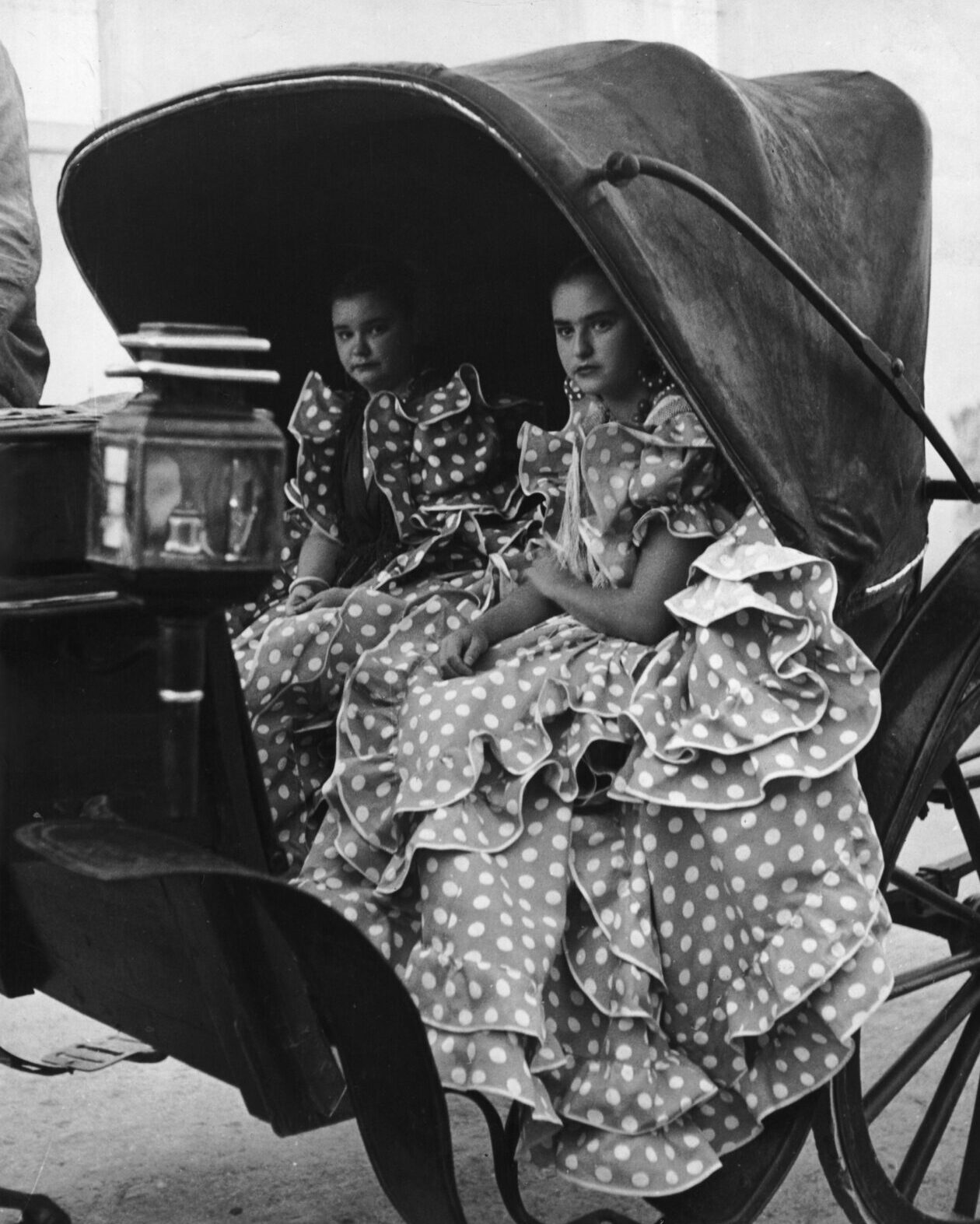
The word polka arrived from Bohemia in the 1830s with a dance that spread across Europe almost overnight. The rhythm caught on, and soon so did the branding. “Polka pudding,” “polka hats,” and eventually, polka dots. Before that, similar patterns were called Dotted Swiss — a delicate cotton tulle with raised dots used for dresses and veils.
The polka name stuck because it sold. It suggested movement, modernity, and a European novelty that textile merchants quickly commercialized.
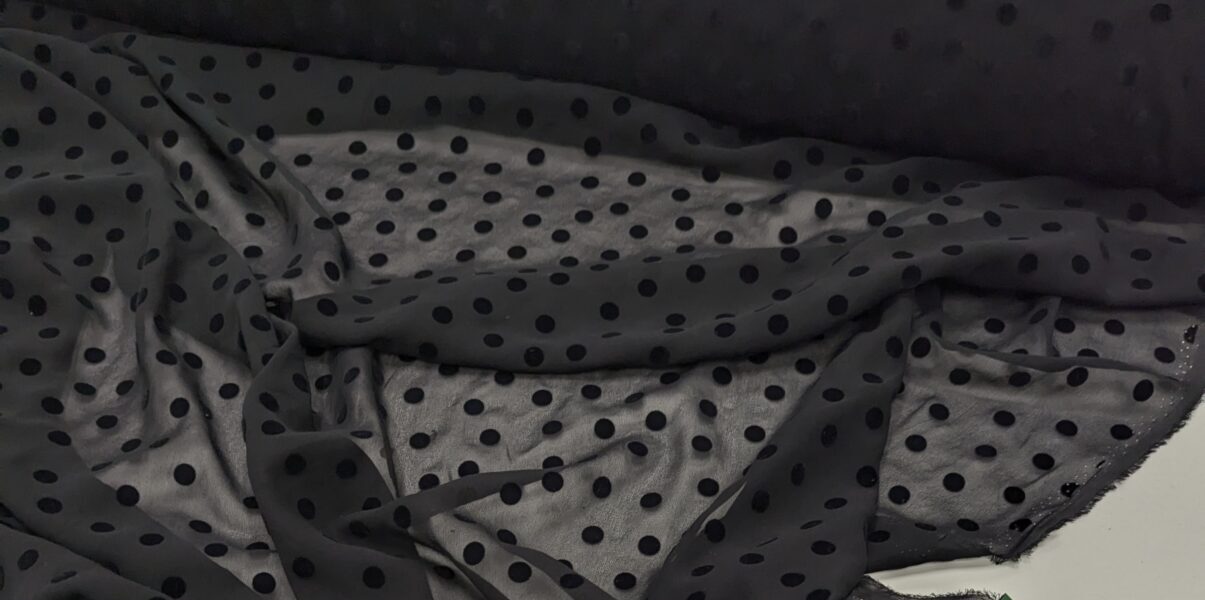
Dotted Swiss
In Print
The first written mention of “polka dots” appeared in Godey’s Lady’s Book (Philadelphia, 1857):
“Scarf of muslin, for light summer wear, surrounded by a scalloped edge, embroidered in rows of round polka dots.”
The pattern was officially part of 19th-century fashion vocabulary: light, feminine, and reproducible.

Norma Smallwood
A Public Moment
By the 1920s, polka dots returned through photography and swimwear. In 1926, Norma Smallwood, the first Native American Miss America, posed in a polka dot swimsuit, a striking image for its time. The photo captured the print’s shift from domestic decoration to a symbol of confidence and visibility.
Courtesy of Disney
An Icon in Motion
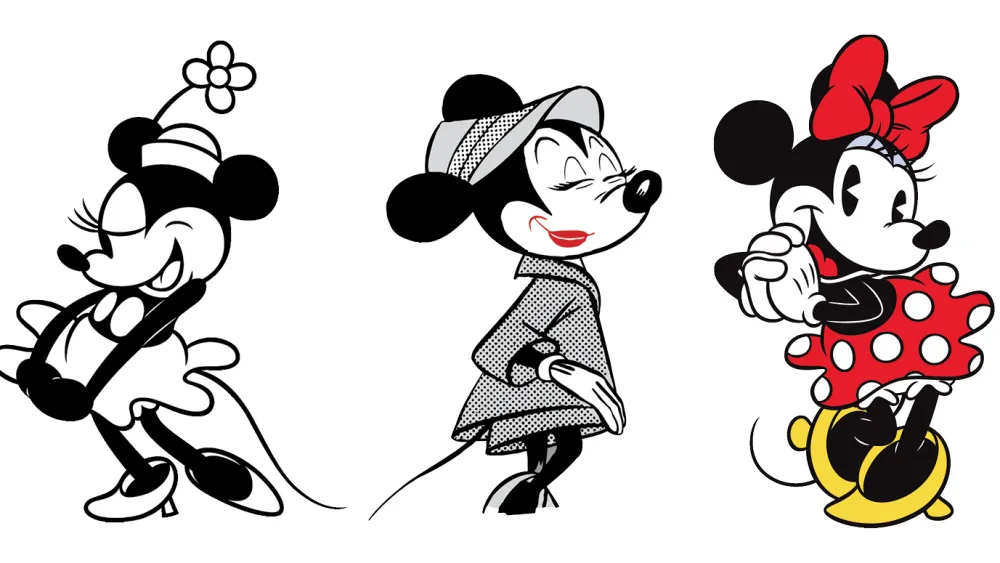
Walt Disney’s Minnie Mouse didn’t start in polka dots. Her 1928 debut outfit was plain, but by the early 1940s, animation advances made repeating patterns possible on screen. Minnie’s red and white skirt became an instantly recognizable graphic, a clean and cheerful version of the industrial print that had once been feared for its imperfections.
Polka Dot Man, DC Comics
The Graphic Era
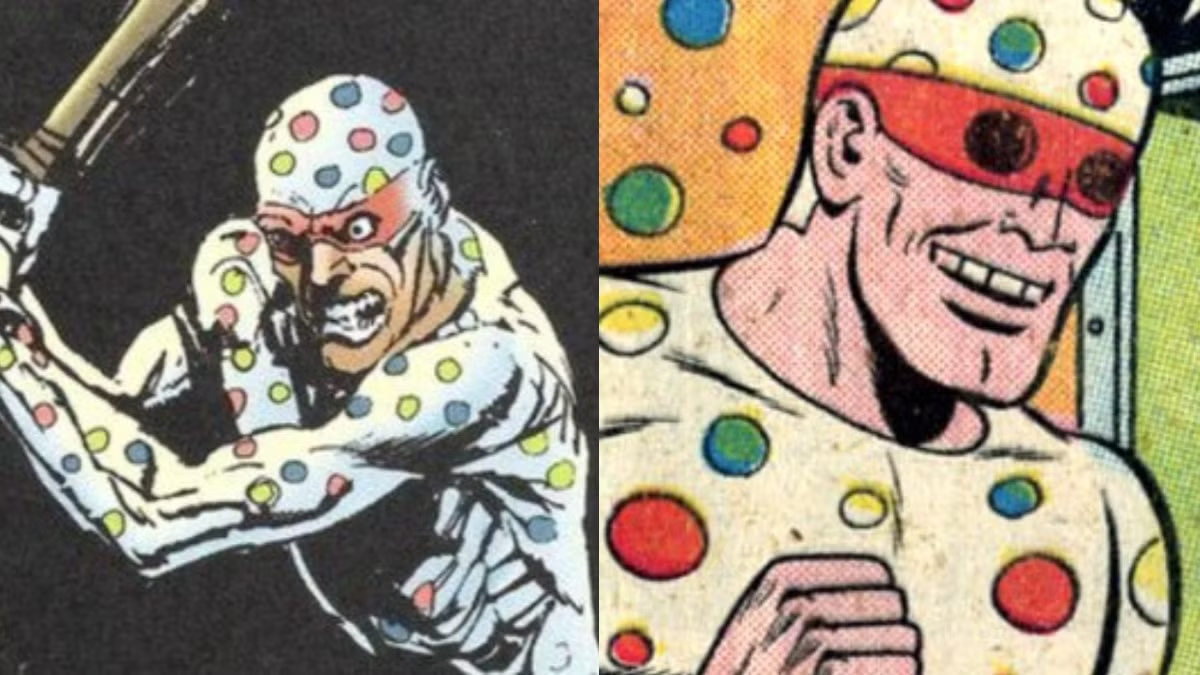
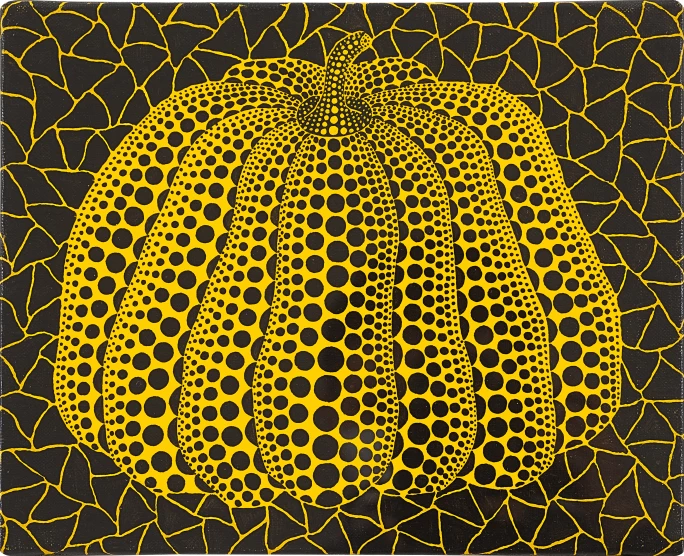
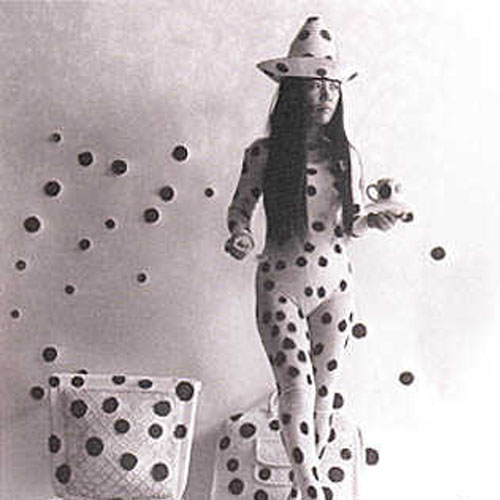
In the 1960s, polka dots appeared everywhere from couture to comic books. DC Comics’ Polka-Dot Man (1962) turned the motif into a visual weapon, literally throwing detachable dots as tools of destruction. Around the same time, Yayoi Kusama was using the same geometry to question repetition, obsession, and the idea of self-erasure in art. Two extremes of the same language: one absurd, one existential.
The Look
“I don’t think there is ever a wrong time for polka dots,” said Marc Jacobs, and fashion history agrees. From Christian Dior’s 1954 “New Look” silhouettes to Marilyn Monroe’s sun dresses and Kate Middleton’s printed coats, the dot continues to signal precision and optimism.

Marc Jacobs in Polka dot suit
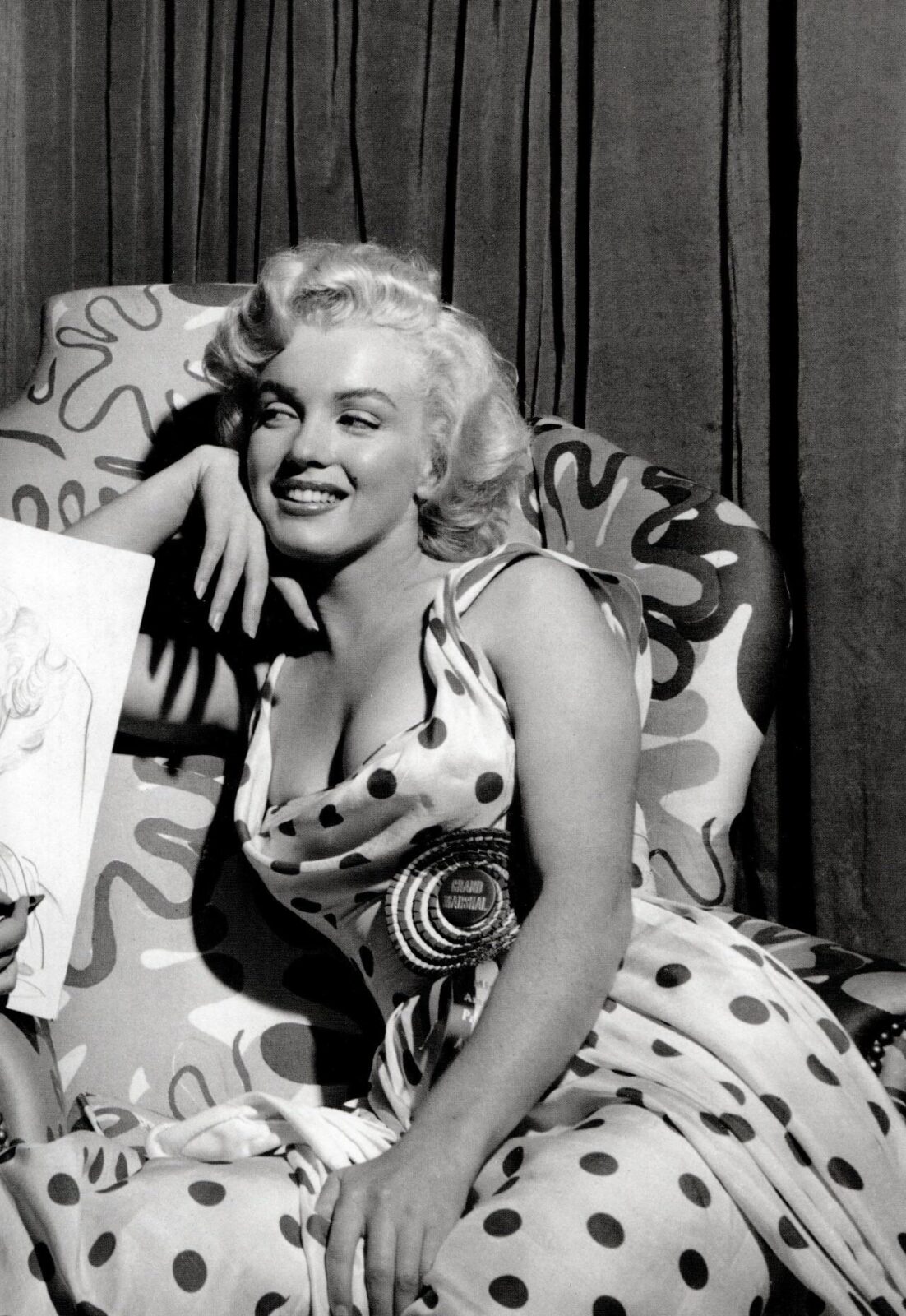
Marilyn Monroe
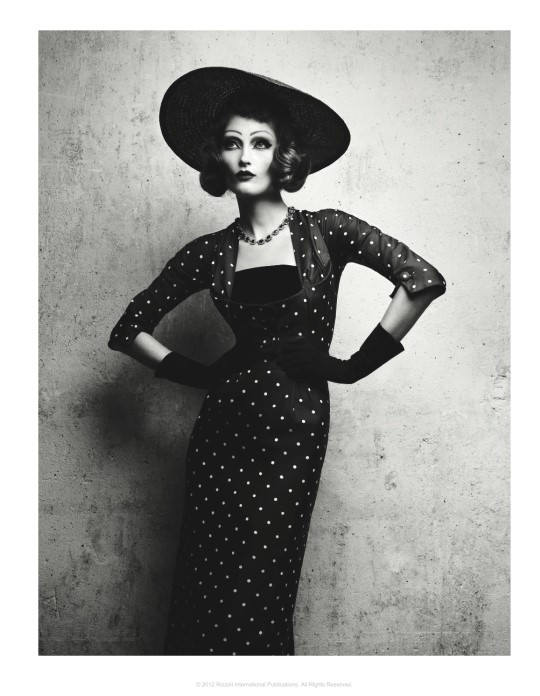
Dior Couture by: Patrick Demarchelier (Photographer)

Junya Watanabe ss2026