

Picture two linen shirts on a rack. Same soft sand color, same relaxed collar, same promise on the label: 100% linen. One costs the price of a nice lunch. The other costs much more.
Same plant, same raw fiber. What is actually happening here? Let’s take an objective look behind the label.
(If you’d like the plant’s backstory first, we told it in Linen Through History )
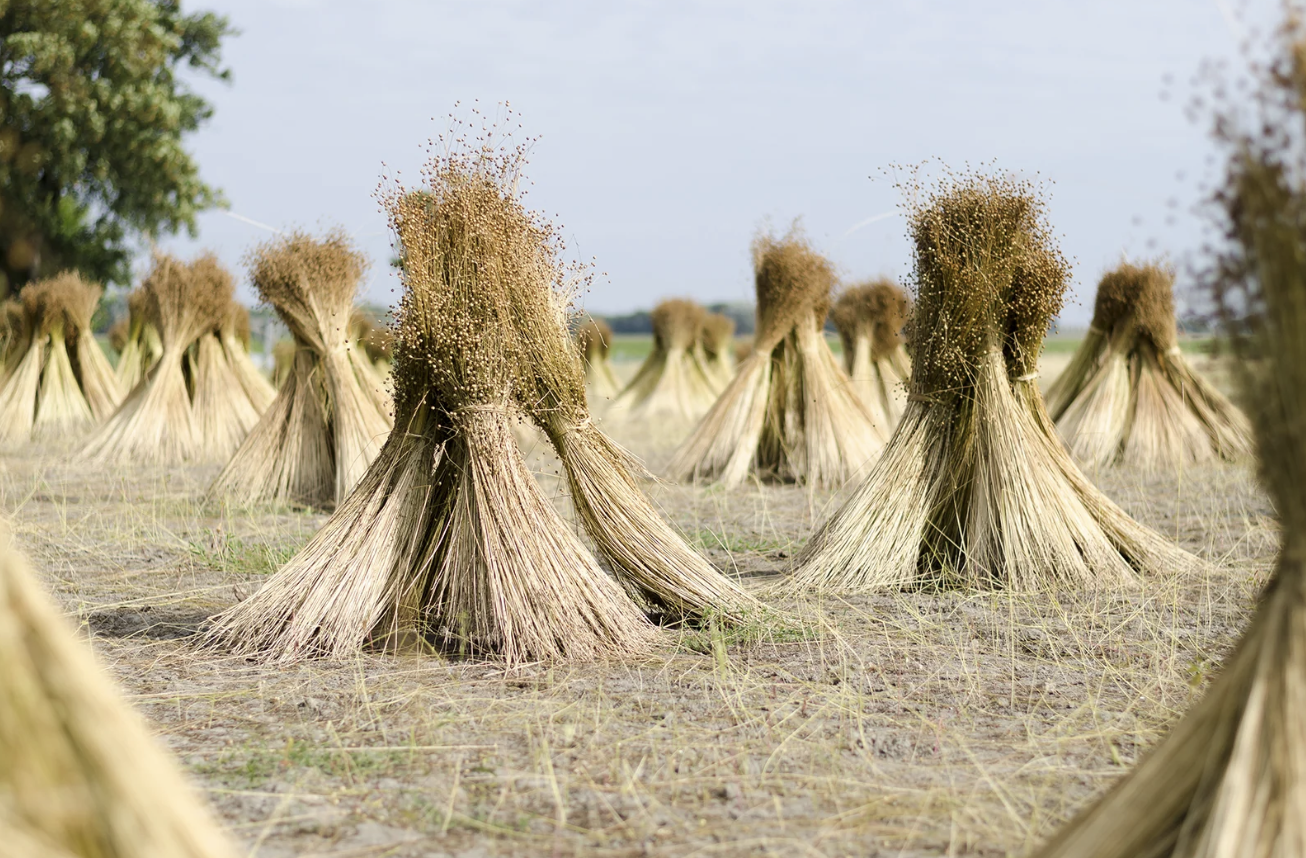
Flax. Source: bymolle.com
Clue #1: Flax is a homebody
Linen begins as flax, a slender plant that thrives in cool, damp coastal climates. A significant portion of the world’s high-grade textile flax grows along the coastal belt of Western Europe (Normandy, Flanders, and the Netherlands), where sea air, soft rain, and rich soil help produce long, strong fibers.
Here’s a surprise: flax is a boutique crop. Cotton and polyester rule the textile world, while flax makes up well under one percent of all the fibers we use. Linen isn’t mass-market. It’s the artisan sourdough of the fabric world.
Clue #2: Linen is a frequent flyer
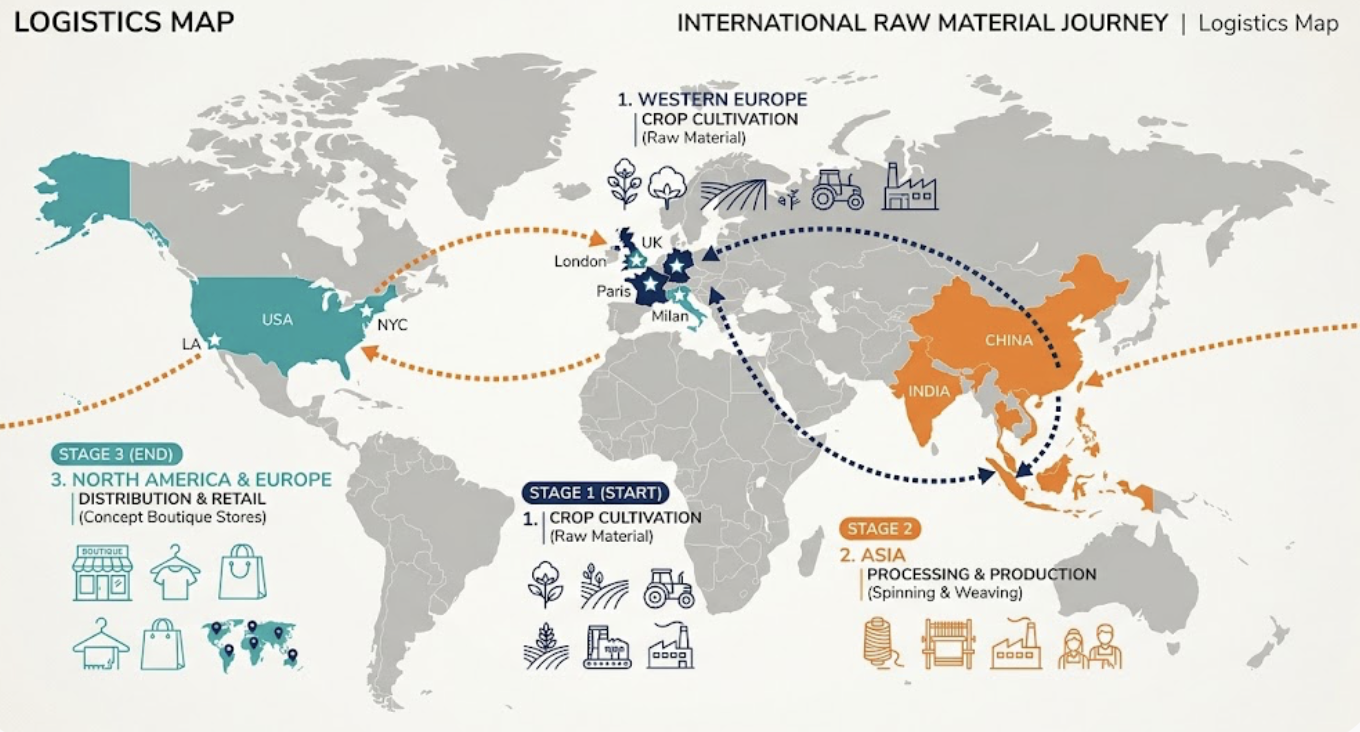
Many buyers are surprised to learn that raw flax and finished fabric often belong to different geographies. Raw fiber grown in Europe is frequently exported to major global textile hubs, where it is spun into yarn, woven into fabric, and sometimes shipped back as finished textiles or garments.
Because of this, terms like “Asian linen” or “European linen” usually describe one of three distinct supply chains:
Born and made in Europe. The flax grows in Europe, and spinning, weaving and finishing happen there too.
Born in Europe, made in Asia. European flax, spun and woven abroad. Same field, different factory.
Born and made in Asia. Asia grows flax as well, but fine, garment-grade flax is still mostly a European specialty.
So the title of this article is, quite literally, a trick question. The plant may well be the same. What differs is everything that happens next.
The four chapters of a linen’s life
Think of a piece of linen as a person with a biography. The family tree is the same, but the education makes all the difference. Four chapters shape the fabric.
Chapter 1: Retting, or rotting with a purpose. After harvest, flax stems must be “retted”: gently decayed, so the natural glue that binds the fibers to the woody core dissolves. In Western Europe this usually happens in the field. The stems lie in rows for weeks while dew, rain and friendly soil microbes do the work, which is the slow way, and the gentle one. Historically, Flanders used the soft waters of the River Lys, nicknamed the “Golden River,” for the same job. Faster methods exist, using enzymes or chemicals, and the method affects the fiber’s color, evenness and strength.
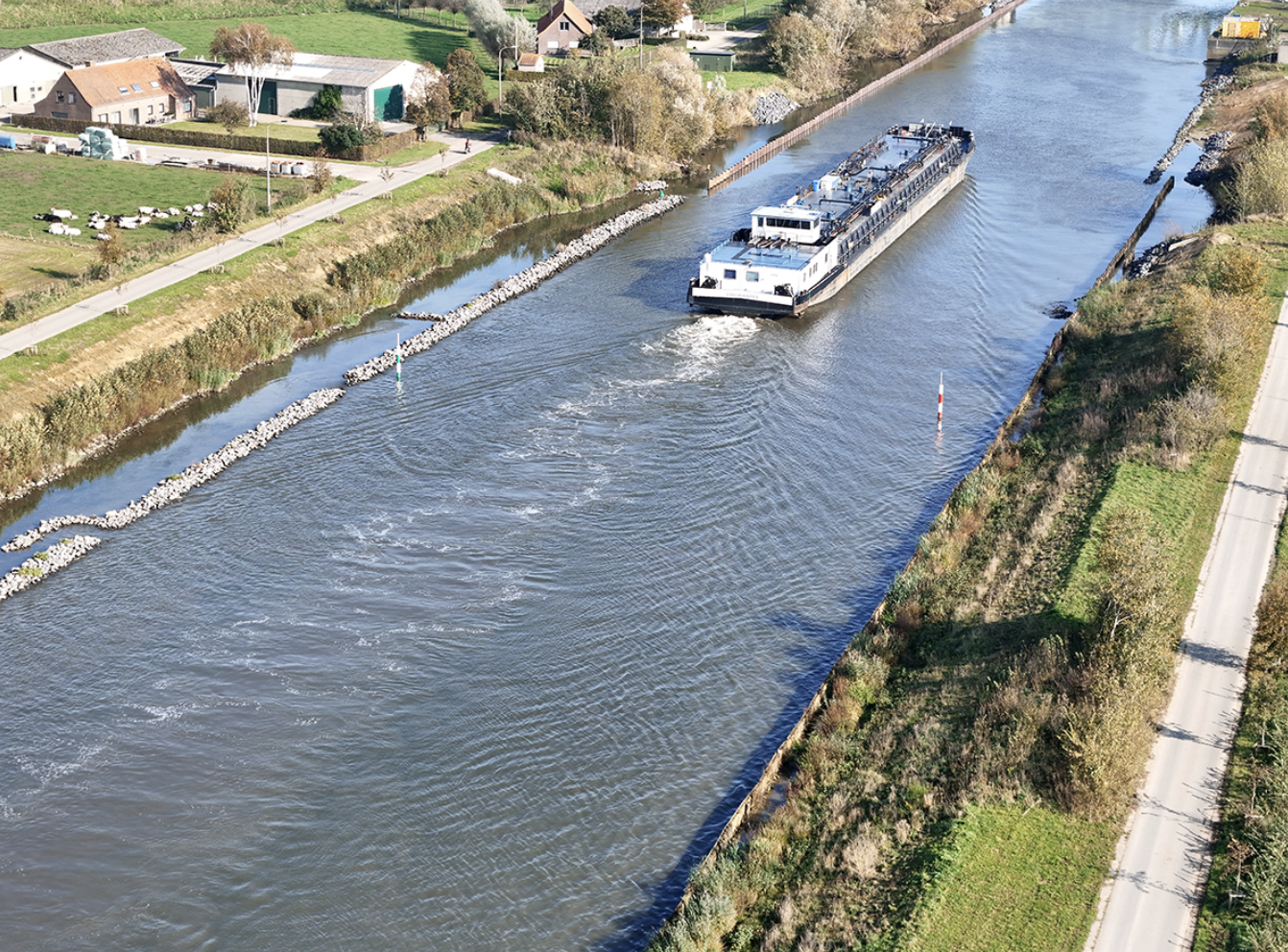
River Lys. Source: worldlandscapearchitect.com
Chapter 2: Spinning, or turning a plant into a thread. Long, well-combed fibers make a yarn that is smooth, even and strong. Short ones make a yarn that is hairy and prone to pilling. A great linen yarn is like a great conversation: long, flowing, no awkward lumps.
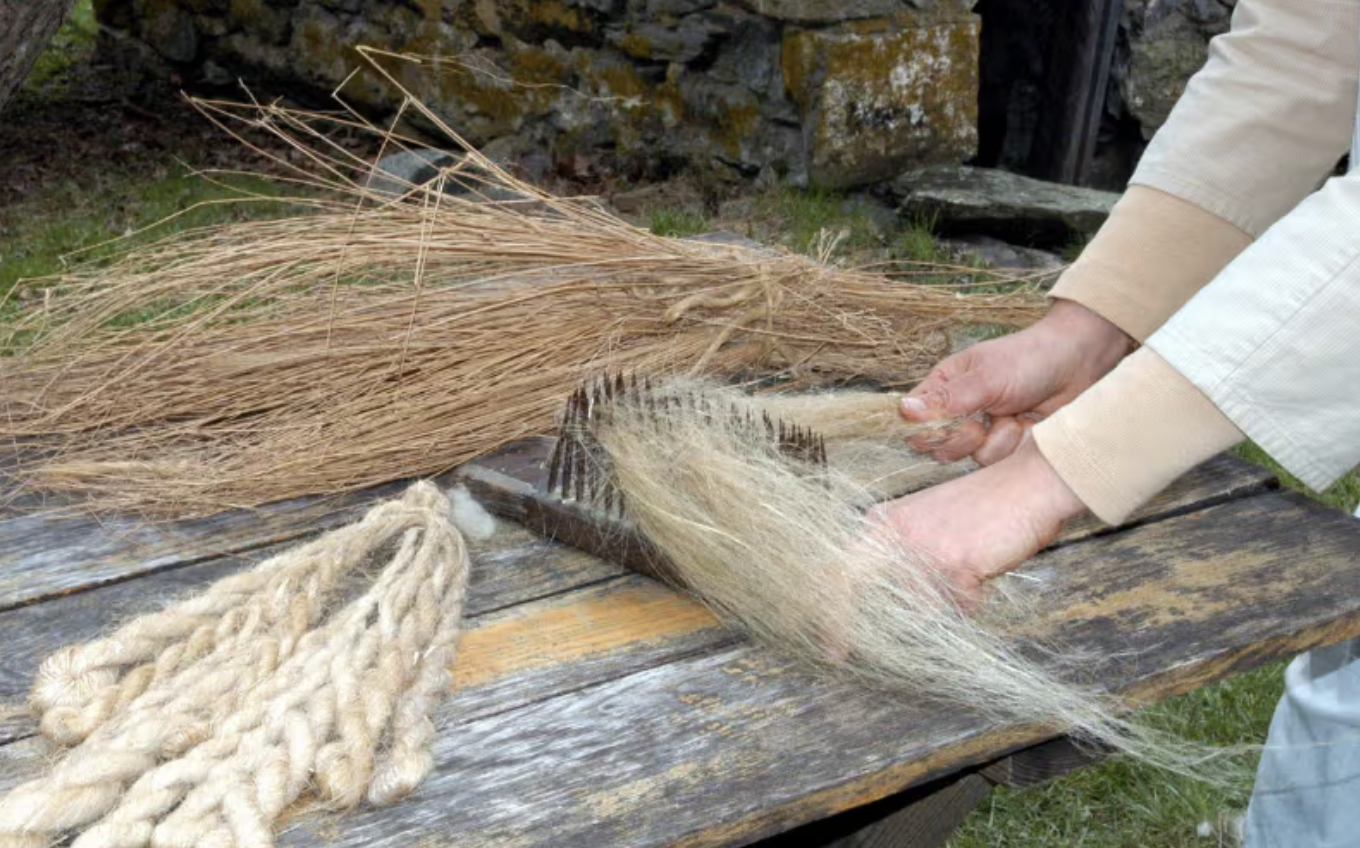
Source: hemptique.com
Chapter 3: Weaving. The tension, the density and the care at the loom decide whether the cloth is crisp and stable or loose and flimsy.
Chapter 4: Finishing. Washing, mechanical tumbling, and enzyme treatments transform stiff woven cloth into a soft, supple fabric. Modern finishing techniques are applied effectively in both traditional European mills and state-of-the-art Asian processing facilities.
Same fiber, different chapters, different fabric. That is where the price gap often hides.
Fun fact: Linen wrinkles because flax fibers are stiff and have very little elasticity. Once they are bent, they stay bent. It isn’t a flaw in the cloth. It’s the plant’s personality showing up in your shirt.
Wait, Linen Does That Too?
Fabric is only the plant’s day job. Flax, it turns out, moonlights everywhere.
It paints. Linseed oil, pressed from flax seeds, is a classic binder in oil paints, and painters have long worked on linen canvas. The same plant supplied the surface and the paint.
It floors. The word “linoleum” comes from Latin linum (flax) and oleum (oil), because the flooring was originally made with linseed oil.
It pays. U.S. banknotes are printed on paper that is 75% cotton and 25% linen, and a bill can survive roughly 4,000 double folds before it tears.
It prints. For centuries, European paper was made from recycled rags, often linen and hemp. Old bedsheets became book pages.
It feeds. The seeds are flaxseed, a pantry staple.
It lends its name. We still say “bed linen” even though most of it is cotton now, and “flaxen” is a color name for pale golden hair.
It improves with age. Linen starts out stiff and softens with every wash, which is why vintage linen sheets are a luxury.
Quite a résumé for a plant whose flowers last a single day.
Reading a linen label is like reading a menu
A restaurant can call a dish “house-made” without ever cooking it in the house. Linen labels play similar word games.
“Made in Italy” usually tells you where the last major step happened, often weaving or finishing. It doesn’t tell you where the flax grew.
“European quality linen” describes quality, not necessarily origin, so it is a cue to ask more questions.
“Irish linen” is a heritage name, and the flax behind it may have been grown elsewhere.
“Masters of Linen” is a certification guaranteeing that every stage, from certified European fiber to yarn to fabric, is handled by European companies. Its sibling, “Masters of Flax Fibre” (formerly European Flax), covers only the fiber stage, from field to fiber.
Some brands openly say their linen is made from French flax and processed in Asia.
None of these phrases is necessarily false. They simply answer different questions. The trick is knowing which question you are asking.
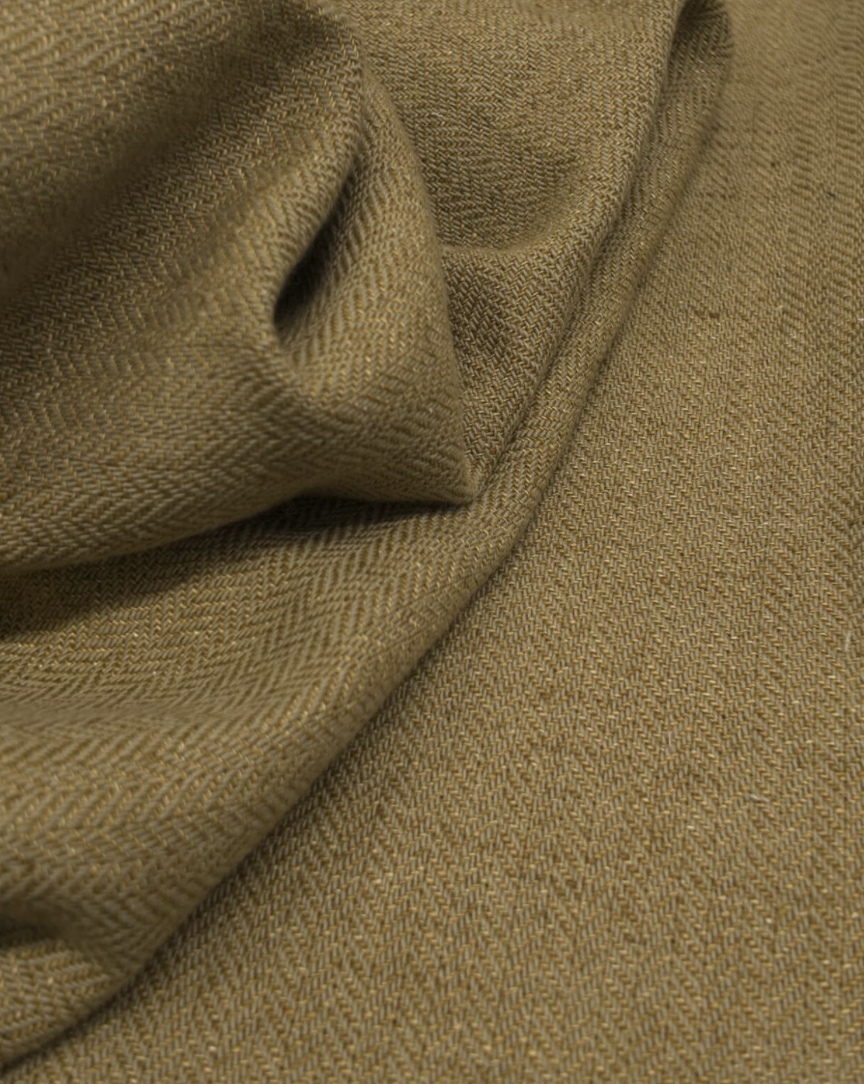
Is expensive always better?
No, and linen lovers love to argue about it. Some European-flax fabrics woven in Asia are lovely: smooth, even and beautifully finished. Some pricey European ones turn out disappointing. Origin tells you a story, but the cloth tells you the truth.
The good news is that linen is very honest about itself. Before you commit, try the four-sense test:
- Look. Hold the fabric up to the light. Even yarn gives an even surface. Big, irregular lumps on a “fine” linen are a warning.
- Touch. Rub two layers together for half a minute. If fuzz appears quickly, the fibers are short and the pilling will come soon.
- Wash. Launder a small, measured square and measure it again. Linen shrinks, but it shouldn’t surprise you.
- Crumple. Scrunch the cloth in your fist and let go. Good linen relaxes softly. Poor linen stays creased like a crumpled receipt.
Four minutes of play will tell you more than any label.
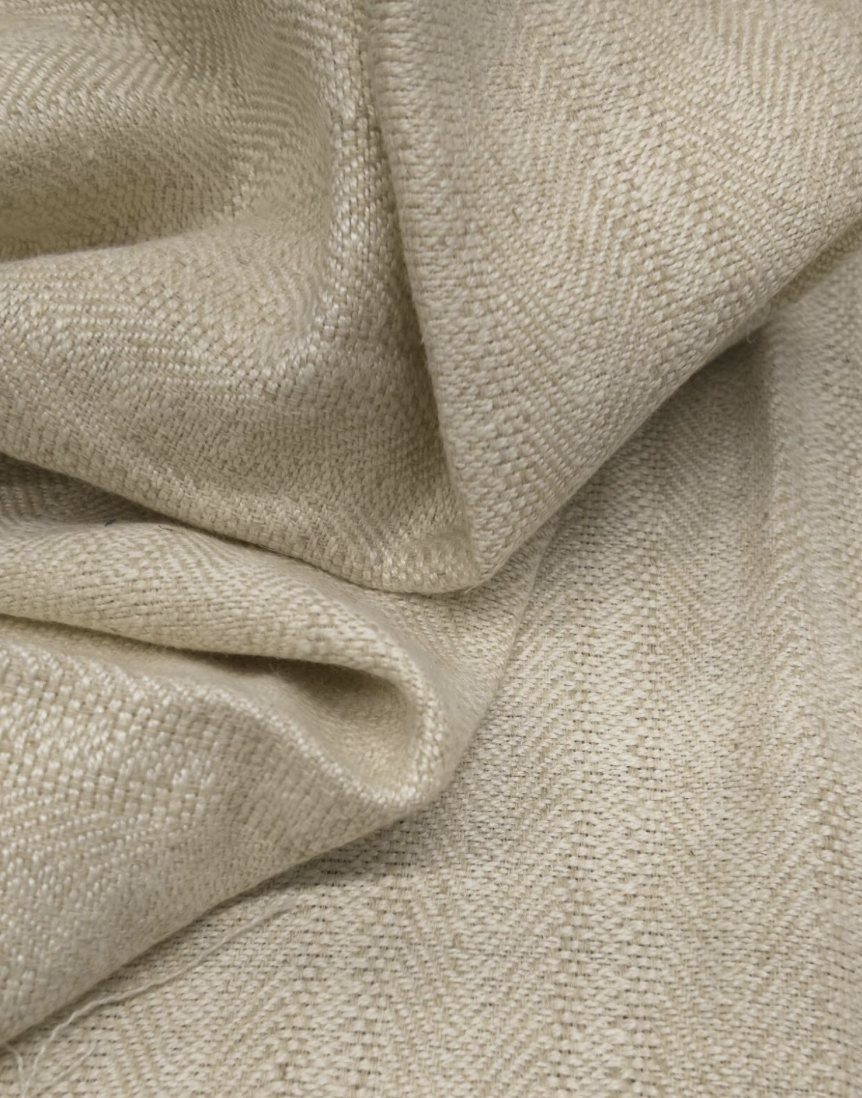
So when is the European premium worth it?
Think of it as paying for a journey. The ticket is worth it when you value the destination.
It’s worth it when the cloth is the star of the garment: a tailored jacket, an heirloom dress, a shirt you want to love for ten summers. It’s worth it when drape, hand feel and longevity matter, and when your brand’s story depends on provenance you can prove.
It’s less important when the piece is a trend capsule, a blend, a lining, or a prototype. In those cases a well-finished linen from another origin can do the job beautifully.
The FAQ
Q: If both fabrics start as European flax, why does European-finished linen cost twice as much?
A: You aren’t paying for a different plant; the price difference reflects distinct industrial models rather than a gap in raw fiber quality. European manufacturing emphasizes smaller-scale batches, heritage processing techniques, and strict local environmental compliance. The Asian textile sector utilizes advanced automation, large-scale processing, and optimized supply chains, which significantly lowers production costs per yard.
Q: Is “Asian linen” actually grown in Asia or just processed there?
A: Usually, it’s just processed there. Asia grows flax too, though fine, garment-grade fiber farming is less common there. Most high-quality “Asian linen” is built on European-grown flax that was shipped East to be spun and woven.
Q: Is European linen objectively better than Asian-processed linen?
A: Not automatically. High-grade European flax spun and woven in modern Asian mills using advanced looms can produce exceptional, durable fabric with a beautiful drape. Conversely, improper finishing at any facility can result in a stiff or prone-to-shrinkage cloth. Overall fabric performance relies on manufacturing standards and fiber length, not factory location.
Q: How do labels handle origin details when comparing sources?
A: “Made in Italy” or “Made in Europe” often indicates that only the final finishing or weaving took place there, while “European Quality” is a marketing descriptor indicating a quality benchmark rather than origin. If you want 100% European origin from seed to shirt, look for the Masters of Linen® tag. If you see European Flax®, it guarantees where the plant grew, while spinning and weaving likely happened abroad.
Q: Bottom line: How do I choose between European-processed and Asian-processed linen?
A: Full European origin is ideal when complete supply chain traceability, heritage certifications, or local environmental guarantees are central to your purchasing decision. Asian-processed linen offers an excellent balance of soft hand-feel, durability, and value for everyday summer wear, casual garments, and home textiles.
The verdict
Same plant, different journey. The price of linen is partly the fiber, partly the skill of the spinners and finishers, and partly the proof that the story on the label is true. A higher price is worth it when you can name what you’re paying for. When nobody can tell you, it’s just a number.
So next time you hold two linen shirts side by side, don’t just ask where they were made. Ask how, and how well. The fabric will do the rest of the talking.
Looking for linen you can touch before you decide? Browse our curated selection of fine European linens.