
What do we actually mean when we speak of tweed?
Most commonly, it is understood as a patterned wool fabric closely associated with Scottish and Irish dress traditions. Characterized by its textured surface and twill weave, tweed first emerged in the Scottish Highlands during the nineteenth century. Originally developed as a durable cloth suited to a harsh rural climate, it remains widely used today for coats, jackets, suits, and other garments.
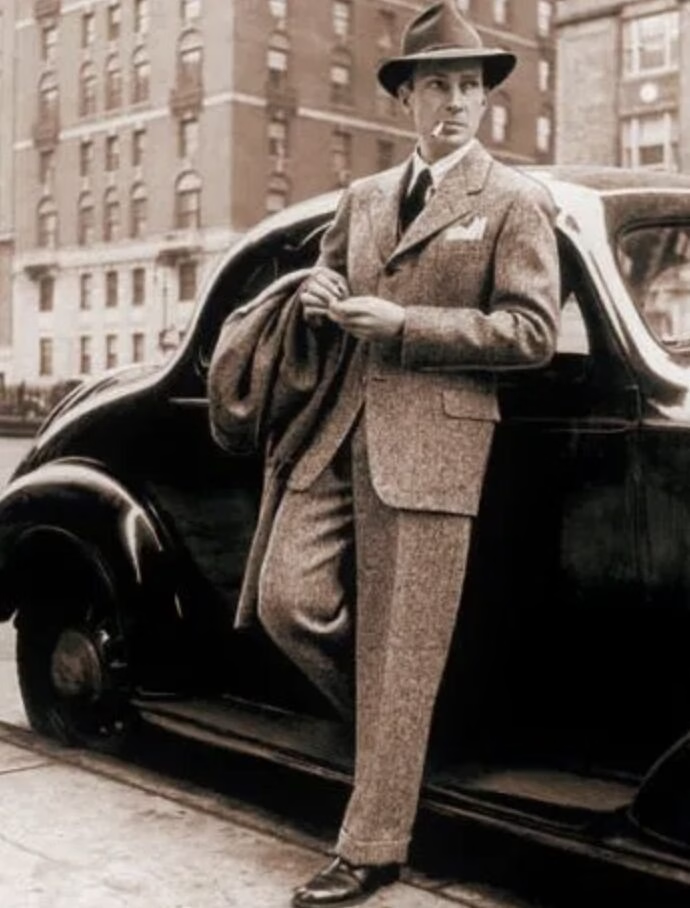
Credits: Well dressed dad. “Tweed jacket – How to buy vintage and secondhand”.
Since its appearance in the 1830s, however, the term tweed has gradually expanded in meaning. Rather than referring to a single textile with fixed characteristics, it has come to denote a broader “family” of woolen fabrics that share certain structural and aesthetic features.
An examination of historical sources – including the correspondence of merchants James Locke and Alexander Craig, as well as The New Statistical Account of Scotland – suggests that tweed did not emerge in isolation. Instead, it developed from earlier Scottish woolen traditions such as shepherds’ plaids, Highland “home stuffs,” and tweels. These textiles were typically medium-weight fabrics, woven in a twill structure from relatively coarse wool, and they laid the foundation for what would later become known as tweed.
Fun Fact:The most popular origin story of the word tweed involves Scottish cloth merchant James Locke. In the 1830s, while selling Scottish woolens to London’s fashionable elite from his shop on Regent Street, a small mistake supposedly made textile history. According to the tale, someone – perhaps a clerk, perhaps Locke himself – misread the Scottish word tweel (meaning twill) as tweed on an invoice from a Hawick manufacturer.
And just like that, a typo may have named one of the most iconic fabrics in British fashion.
What Is It Made Of?
Early tweeds of the 1830s were primarily woven from local Scottish Cheviot wool – a durable fiber well suited to the rugged landscape where the fabric originated. Around the same time, imported merino wool was also introduced, giving rise to a softer variety known as Saxony tweed. These two types – Cheviot and Saxony – have remained central to tweed production ever since.
Because tweed refers to a broad family of fabrics rather than a single fixed type, it has historically incorporated many different kinds of wool. Over time, manufacturers experimented with luxury fibers such as cashmere, silk, and mohair to enhance texture and appearance. By the mid-twentieth century, synthetic fibers like nylon were occasionally blended with wool to improve durability.
Still, for high-quality tweed, pure new wool remains the defining and most valued component.
Distinctive Features
One of tweed’s defining characteristics is that it has traditionally been a woolen cloth rather than a worsted one. In technical terms, this means the yarn is carded but not combed before spinning. As a result, woolen yarn retains a softer, slightly “hairy” texture, unlike the smoother and more uniform surface typical of worsted fabrics.
Design, color, and surface texture have always been central to tweed’s identity. Historically, these qualities linked it primarily to informal and country wear – at least until the mid-twentieth century, when its role began to expand.
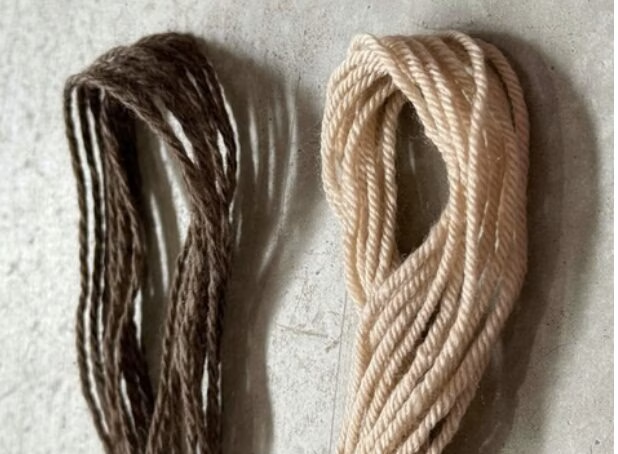
The difference between carded and combed yarn. Credits: Pascuali. COMBED YARNS AND CARDED YARNS: WHAT IS THE DIFFERENCE?
By the interwar period, a new direction emerged. Fabrics later popularized in women’s suits by Coco Chanel from the 1950s onward became widely described as tweed in fashion media. In Britain, these textiles are known as novelty tweeds, while in France they are called les tweeds fantaisie. Used exclusively for womenswear, they often incorporate decorative yarns such as bouclé, slub, knop, gimp, or loop. Typically woven in simple structures, these fabrics rely on textured and often colorful yarns to create rich visual and tactile effects.
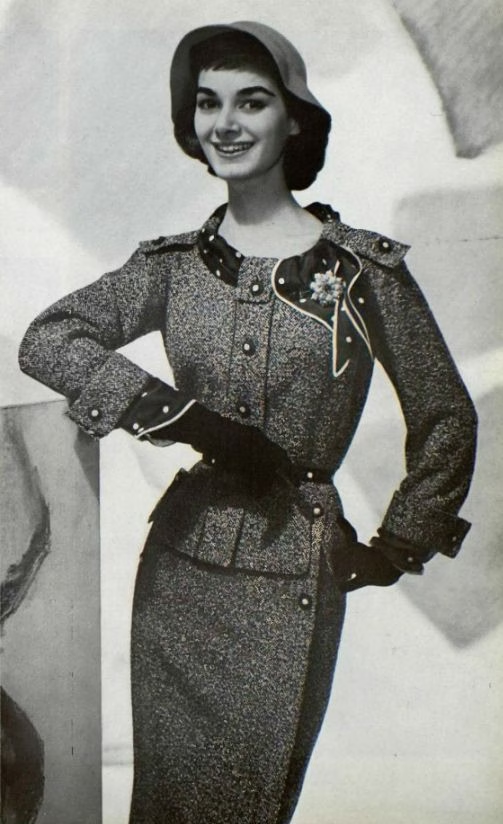
Credits: ICON-ICON
Types of Tweed
Now for the most interesting part – the types of tweed. Though often grouped under one name, tweed includes a remarkable variety of fabrics, each with its own character and history.
Saxony
Made from fine merino wool, Saxony tweeds are smooth, soft, and densely woven. Some of the finest versions are almost indistinguishable from worsted cloth. Traditionally used for lightweight men’s suits, especially for summer wear, Saxony remains a classic suiting tweed.
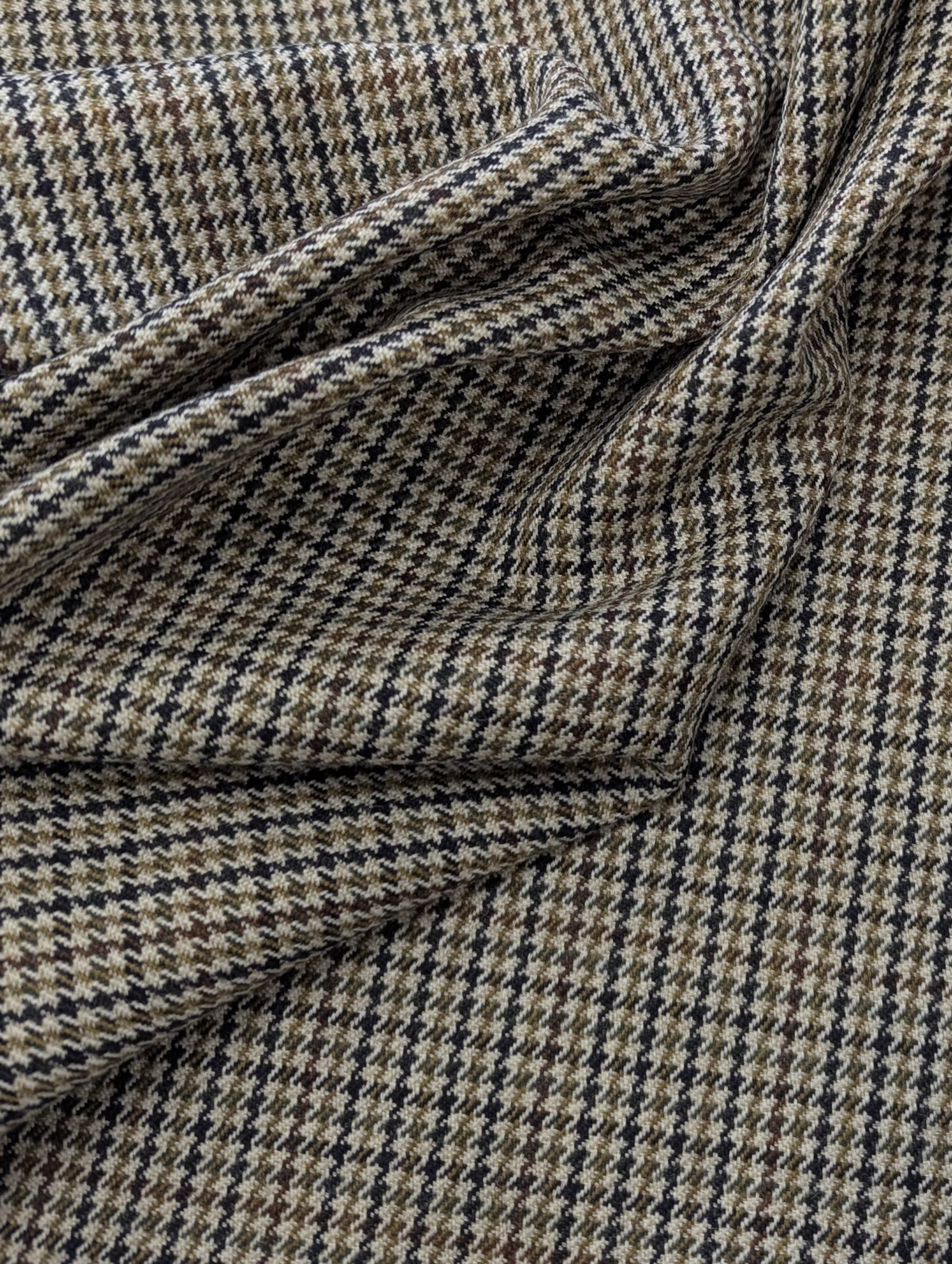
Cheviot
Named after the Cheviot sheep breed, this type is more robust and springy to the touch. Cheviot tweeds have a slightly rougher texture and a more open weave, which allows for bolder patterns and richer color combinations. They became popular for men’s suiting in the late nineteenth century and are still widely produced today.
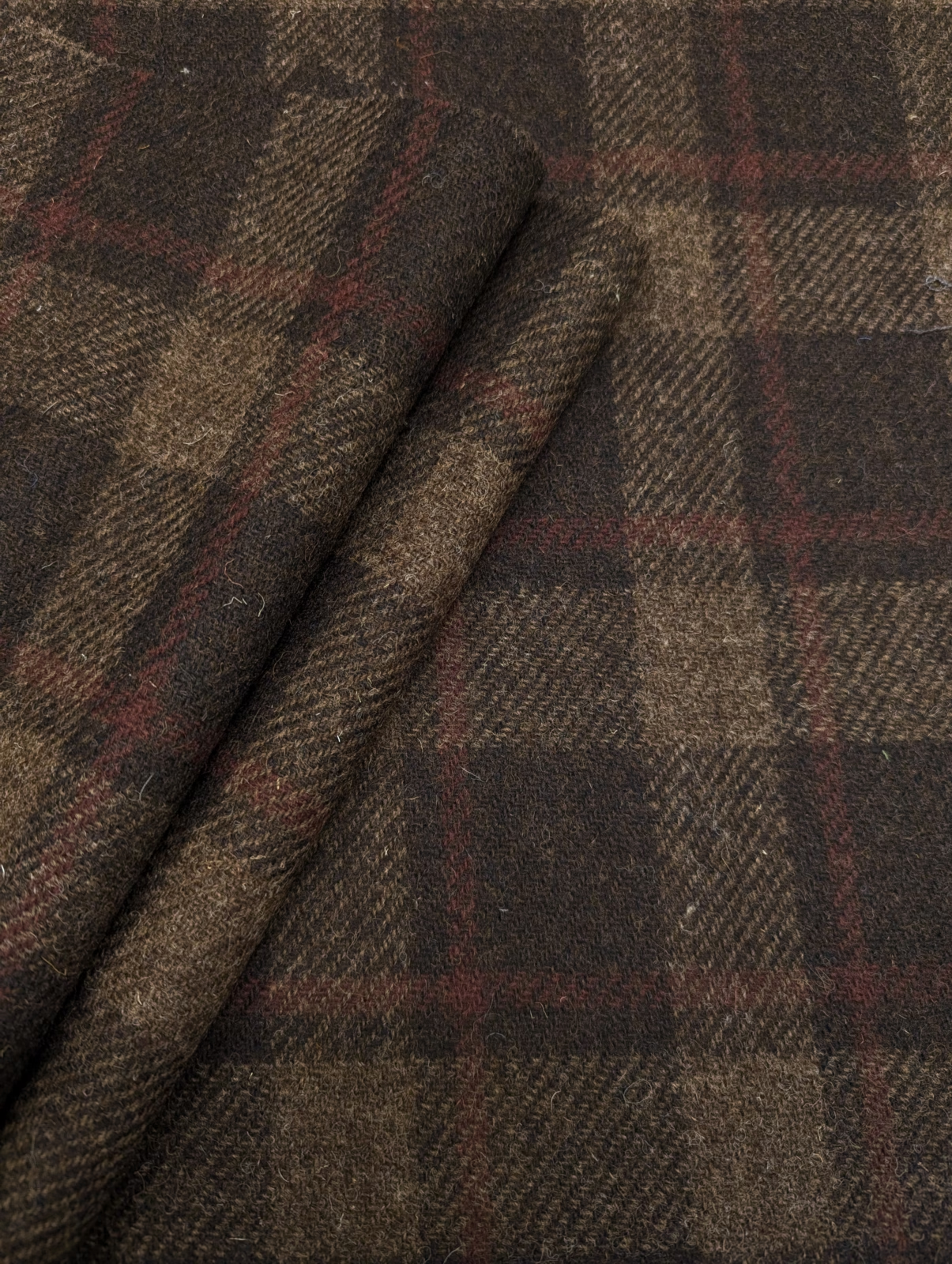
Harris Tweed
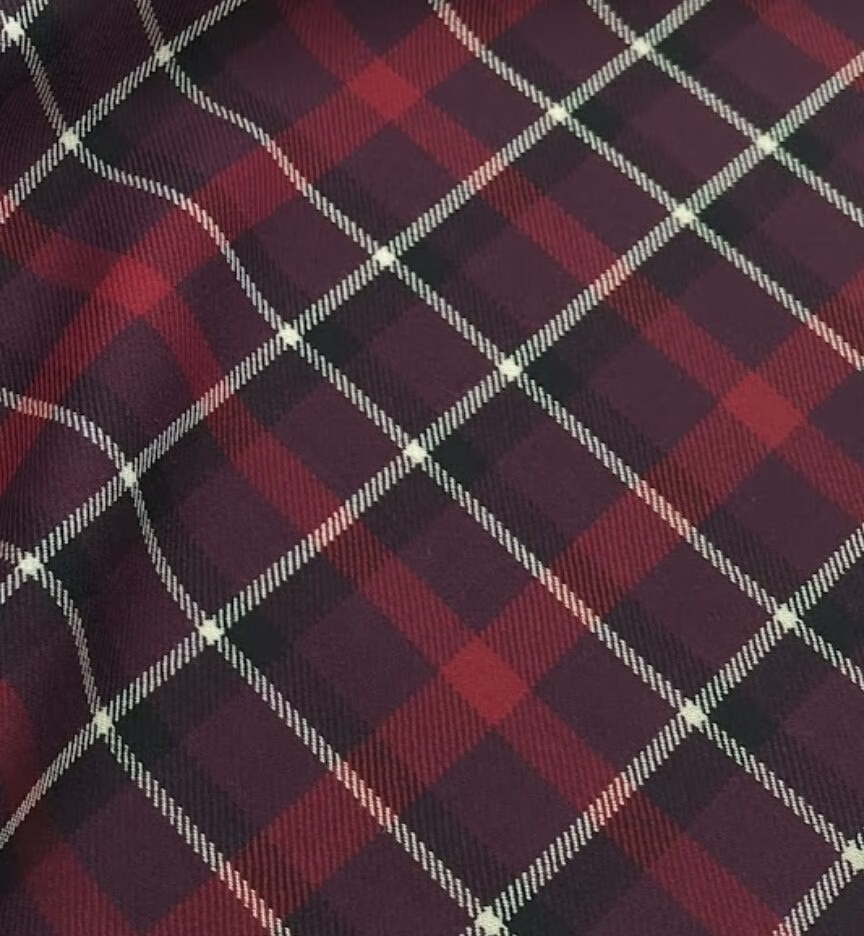
The most iconic variety of tweed is Harris Tweed, a fabric protected by law and deeply rooted in Scottish tradition. To be authentic, it must be handwoven by islanders in the Outer Hebrides from pure virgin wool that is dyed and spun locally. Its production is regulated by the Harris Tweed Authority, whose Orb trademark guarantees quality and origin.
Known for its rich colours, subtle flecks, and distinctive texture, Harris Tweed represents craftsmanship, heritage, and enduring authenticity.
Donegal Tweed
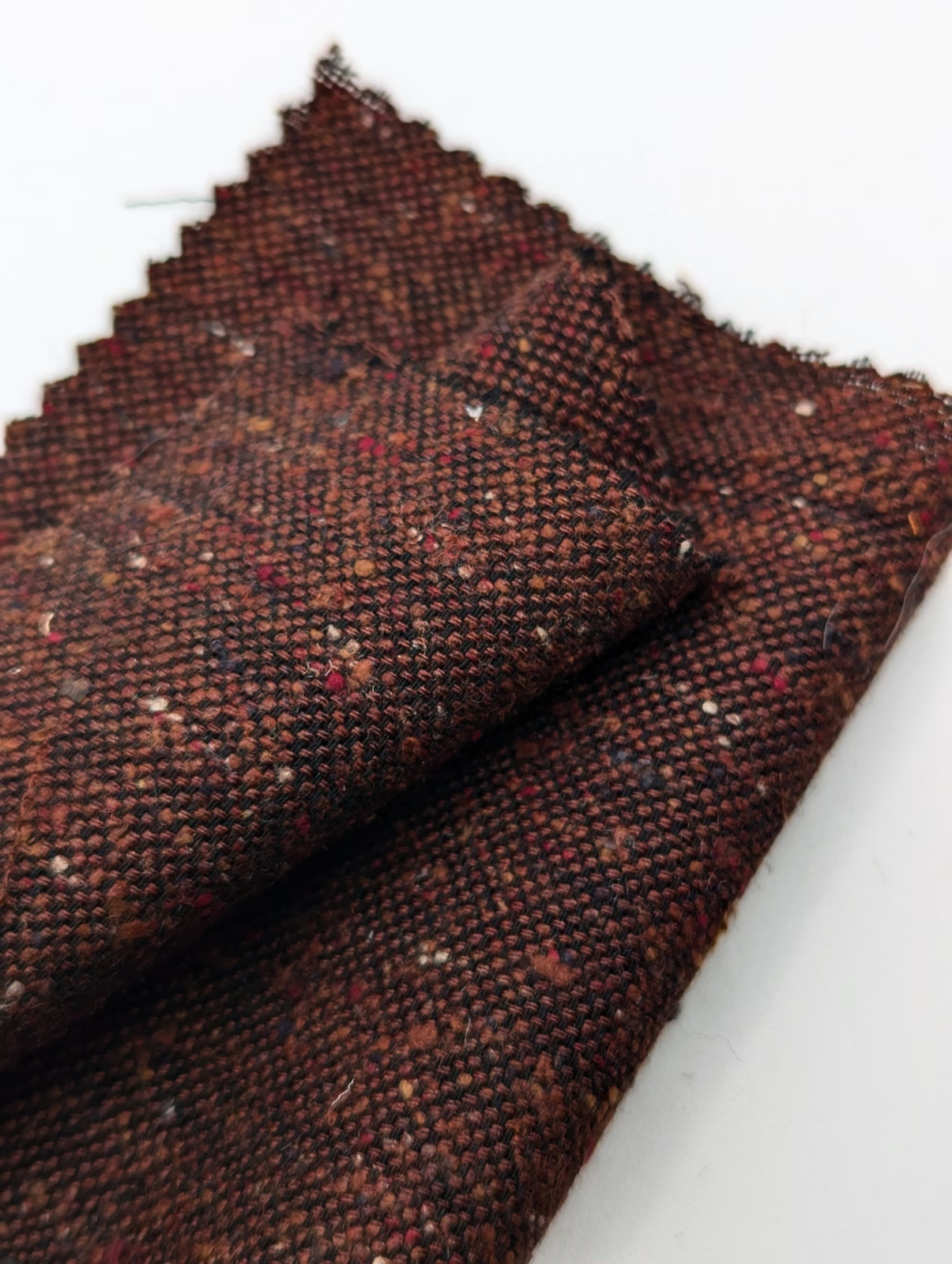
Originating in County Donegal, Ireland, this type is famous for its colorful flecks – small bits of contrasting fiber spun into the yarn. Traditionally woven in plain weave, Donegal tweed has a distinctive speckled appearance that has inspired countless imitations worldwide.
Shetland Tweed
Originally made from the soft wool of Shetland sheep, this tweed is lighter and finer in handle. Early versions often used undyed wool, relying on natural fleece colors for pattern. Today, the name is widely used, though not always for cloth made from true Shetland wool.
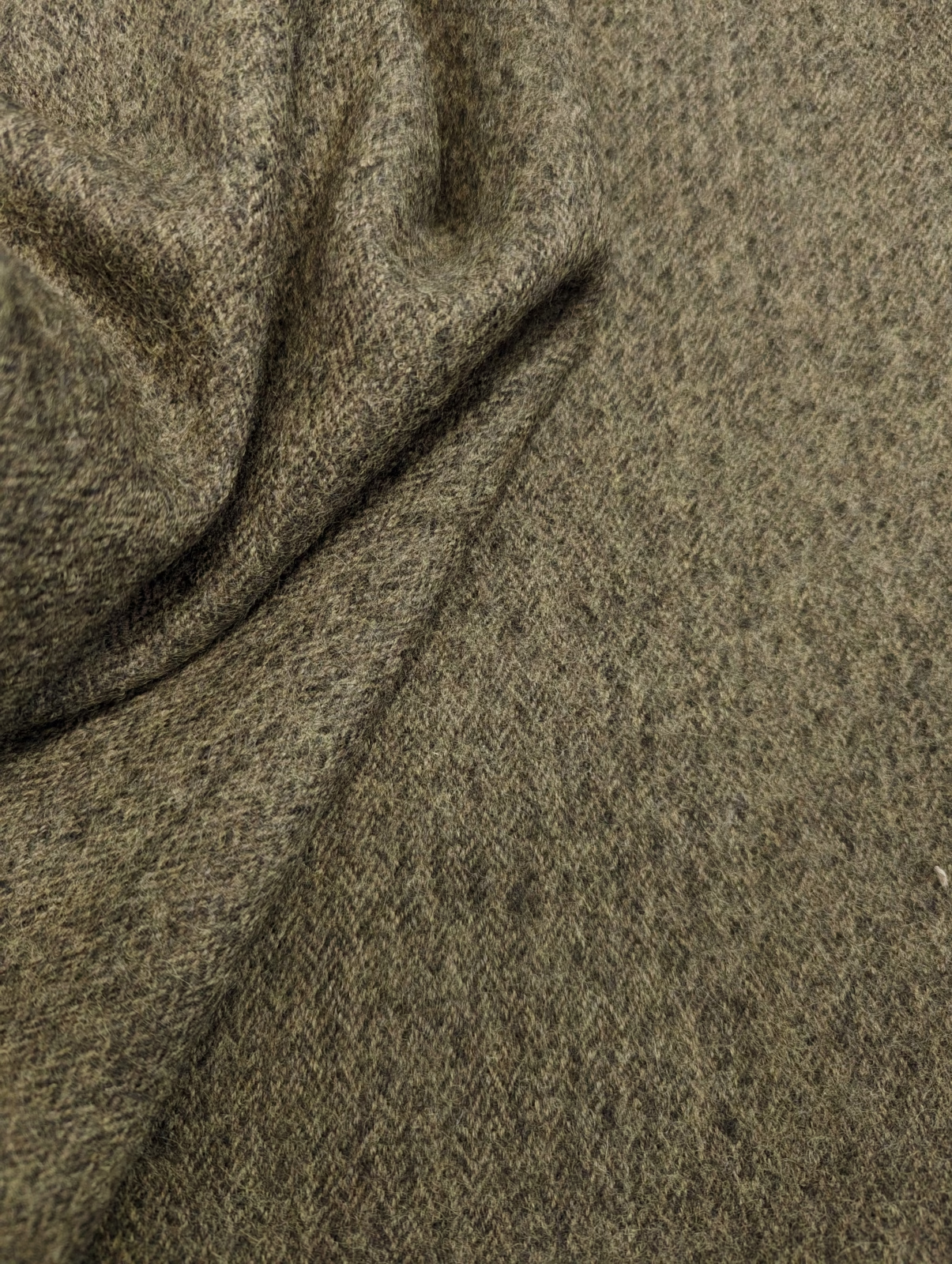
West of England Tweeds
Typically woven from merino wool, these tweeds are known for their refined finish and understated elegance. They sit stylistically somewhere between rugged Scottish tweeds and smoother English woolens.
The Different Types of Tweed Patterns
Think all tweed looks the same? Think again. Beneath that rugged, country reputation lies a playground of patterns, each with its own personality.
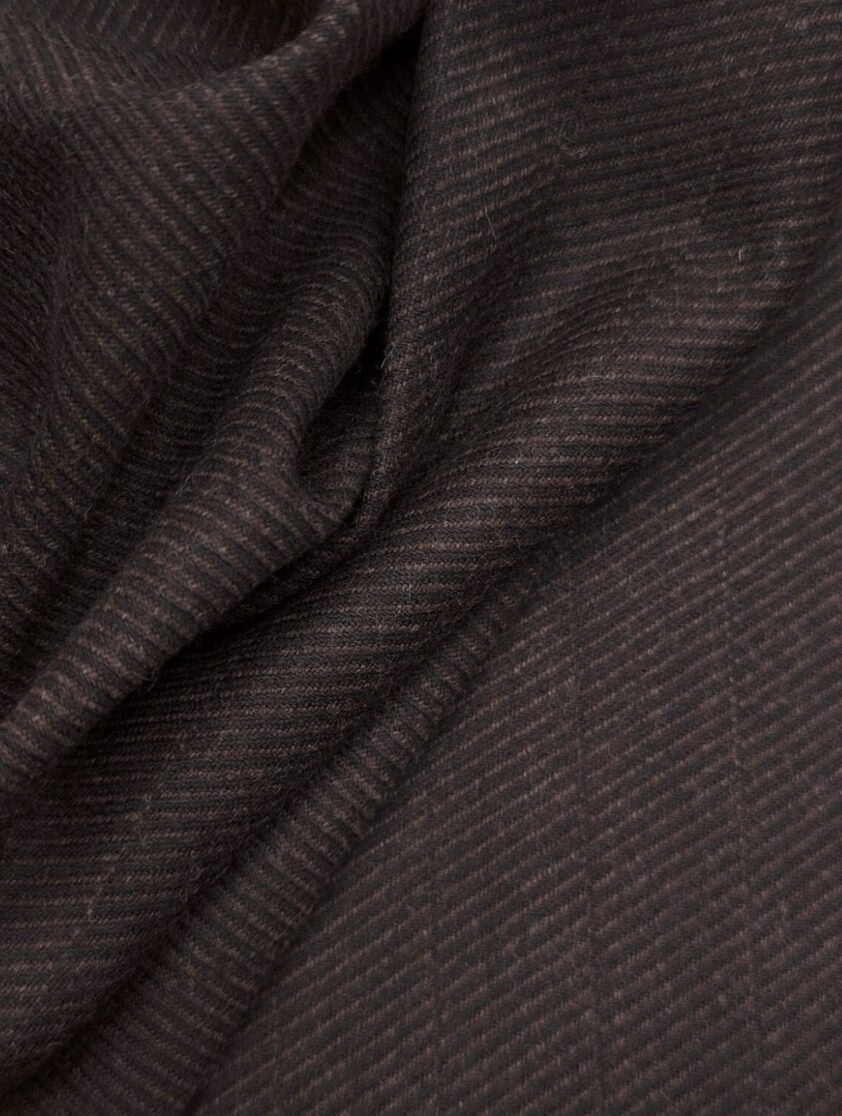
Twill
The foundation of most tweeds. Recognizable by its diagonal lines, twill is strong, flexible, and durable. Those angled ridges aren’t just decorative – they give the fabric resilience and structure, making it a timeless staple in both tailoring and country wear.
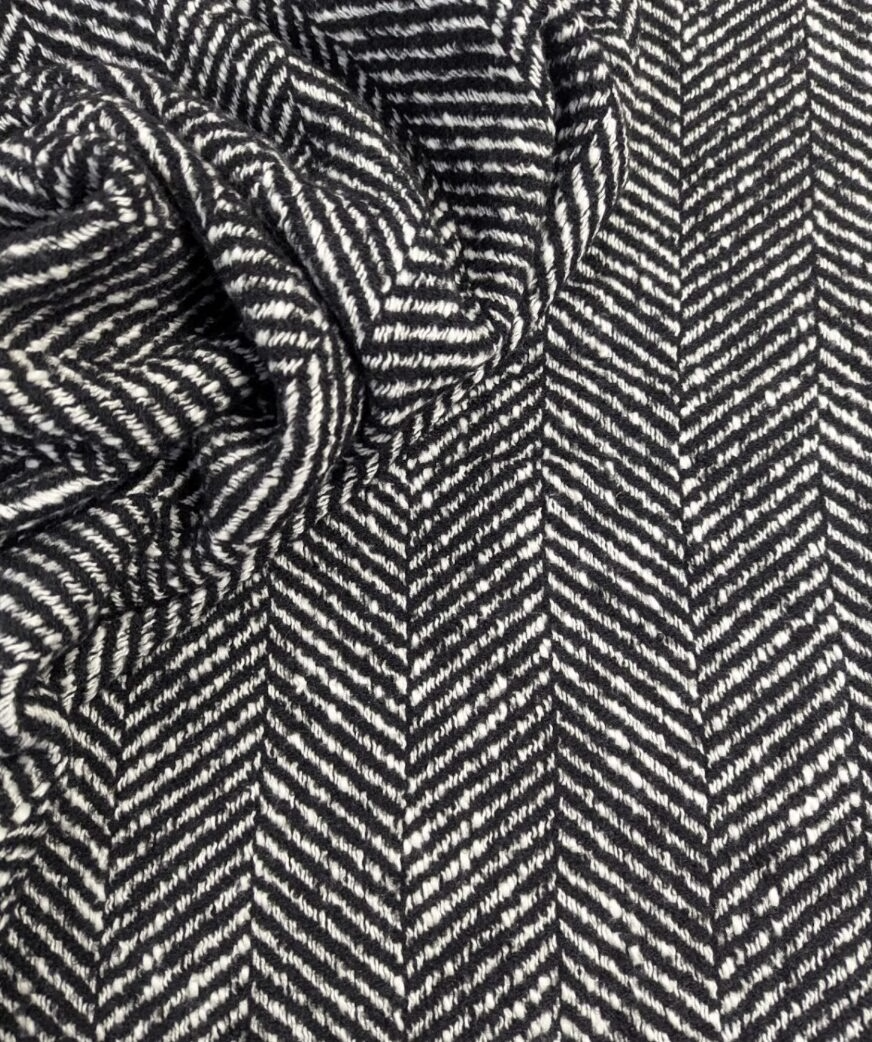
Herringbone
The classic zigzag. Formed by reversing the twill direction, herringbone creates a pattern that resembles a fish skeleton. It’s elegant yet rugged, and remains one of the most iconic tweed designs for jackets and coats.
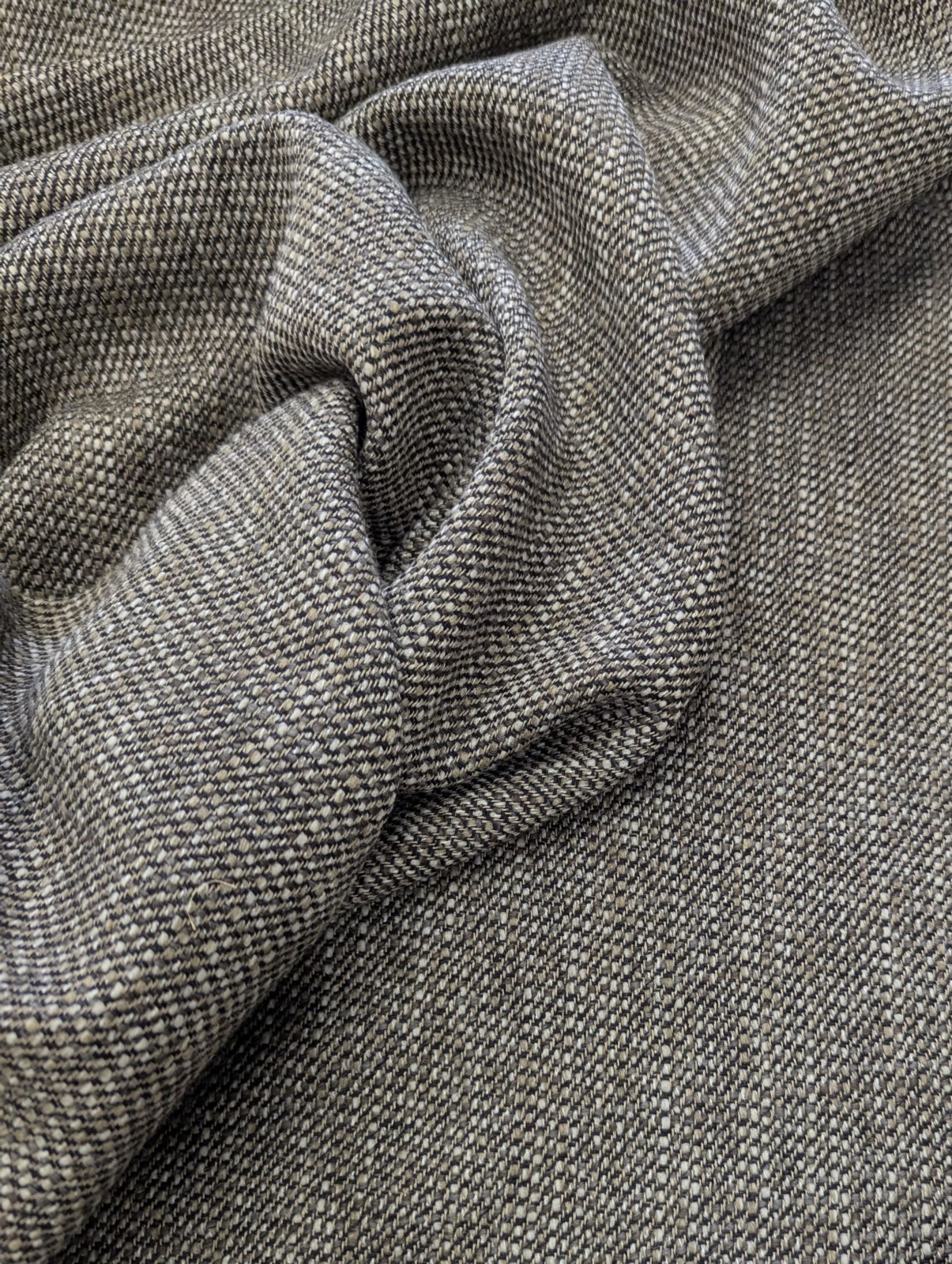
Barleycorn
Textured and slightly playful, barleycorn features tiny speckled flecks that resemble scattered grains. The result is a softly mottled surface that feels relaxed, rustic, and visually rich without being overpowering.
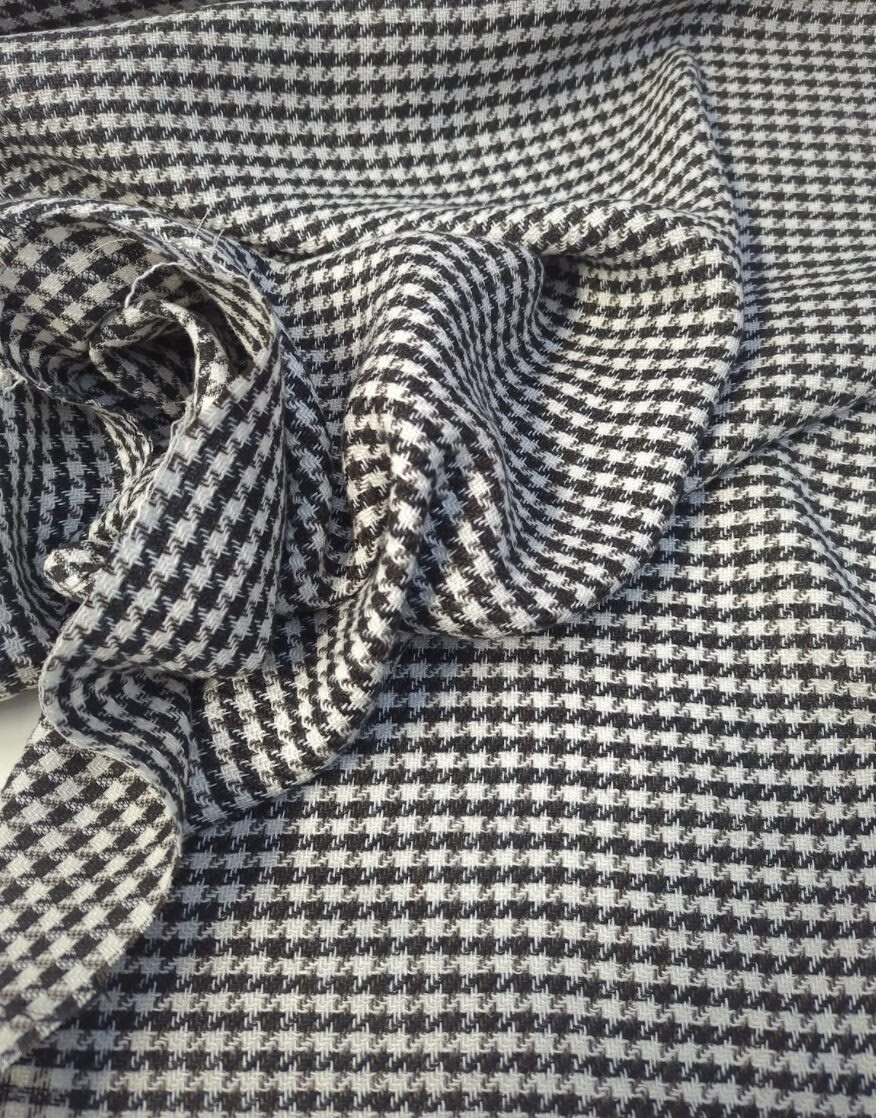
Houndstooth
Bold and graphic, houndstooth is built from jagged, four-pointed shapes in high-contrast colors. Traditionally black and white, it makes a confident statement while still maintaining tweed’s durability and structure.
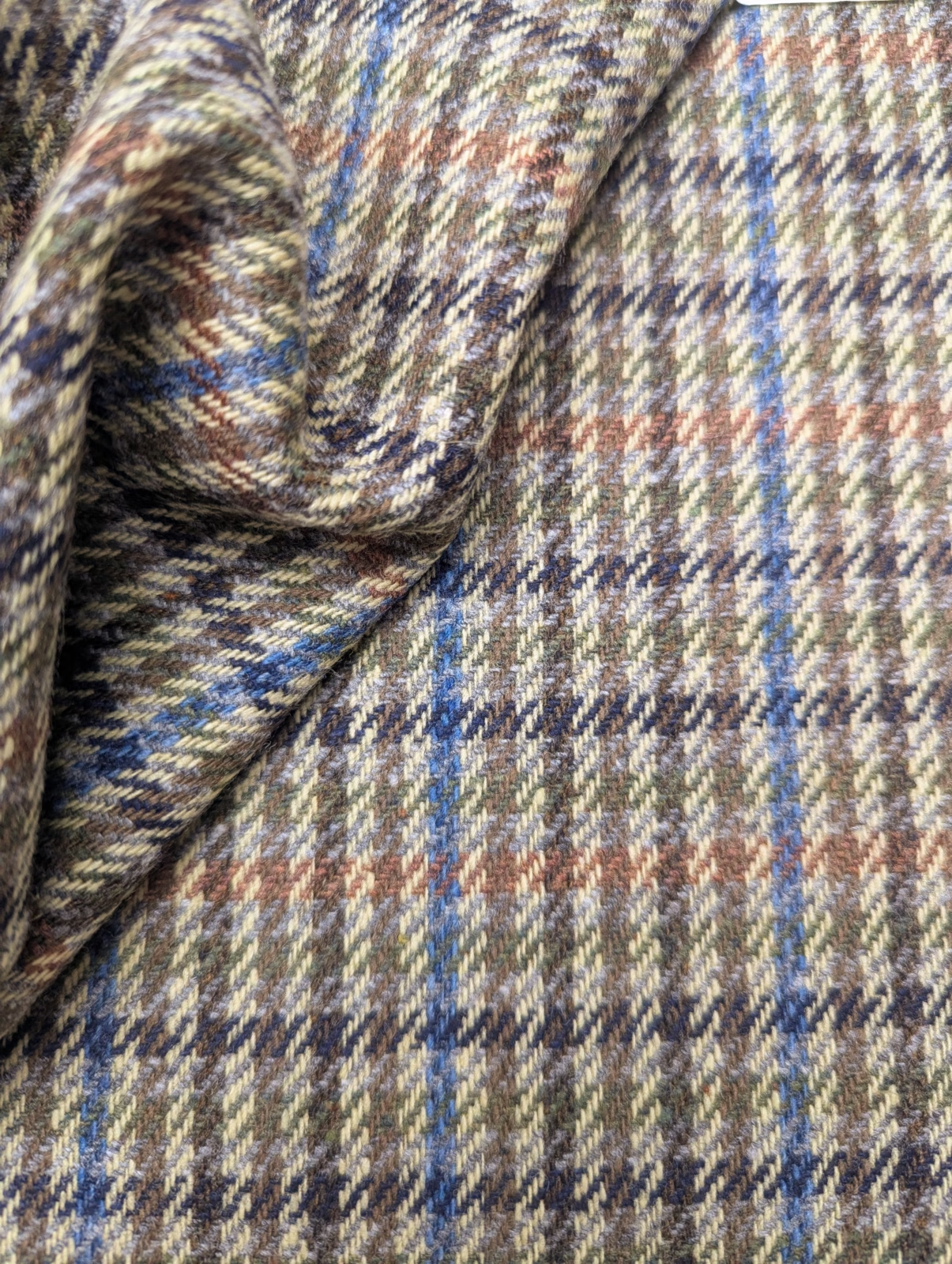
Overcheck
Overcheck adds a layer of personality. It begins with a base pattern such as twill or herringbone and overlays fine contrasting lines in colors like red, blue, or orange. Historically seen in estate tweeds, these lines sometimes reflected family or house colors, blending individuality with practicality.
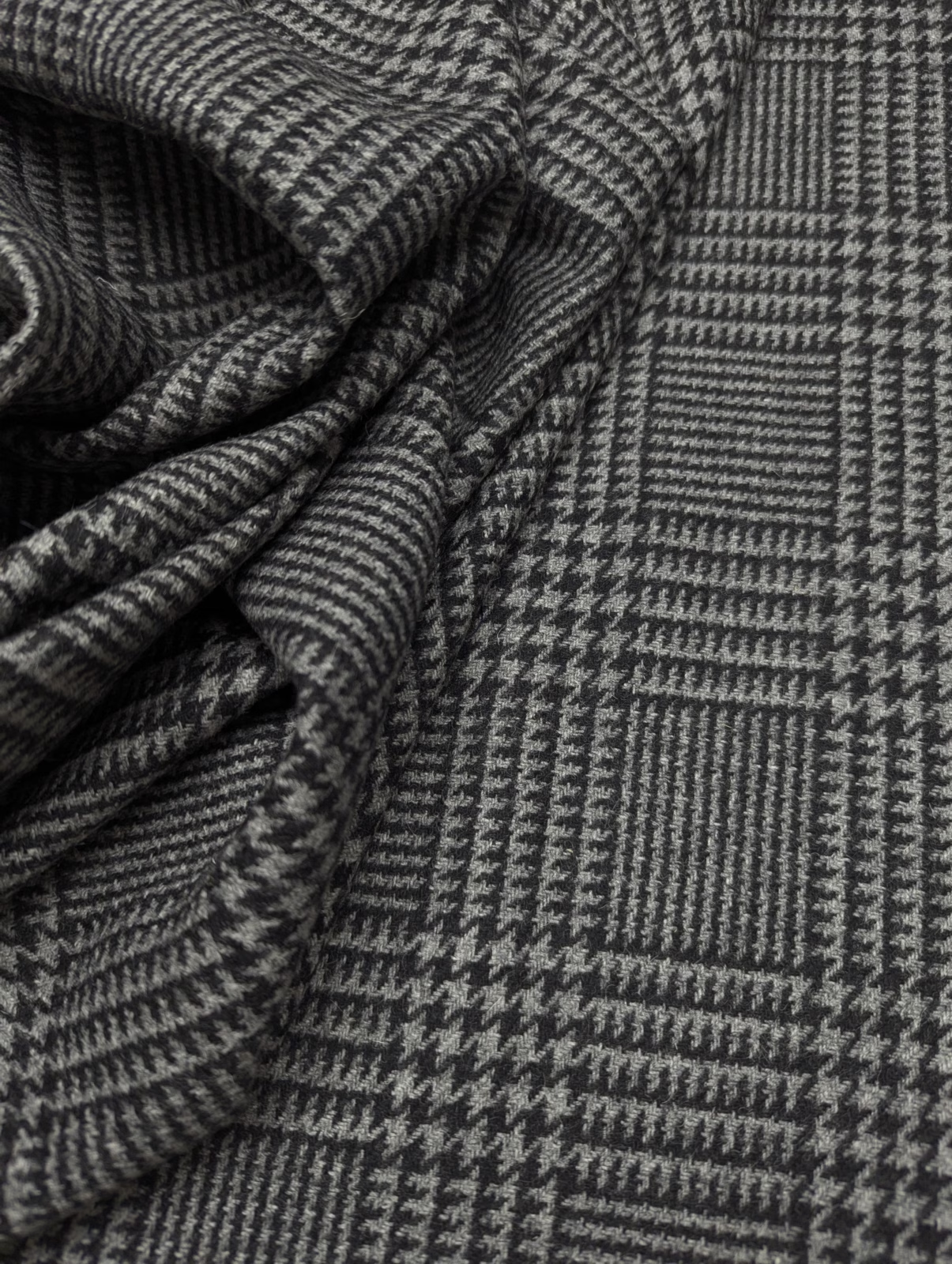
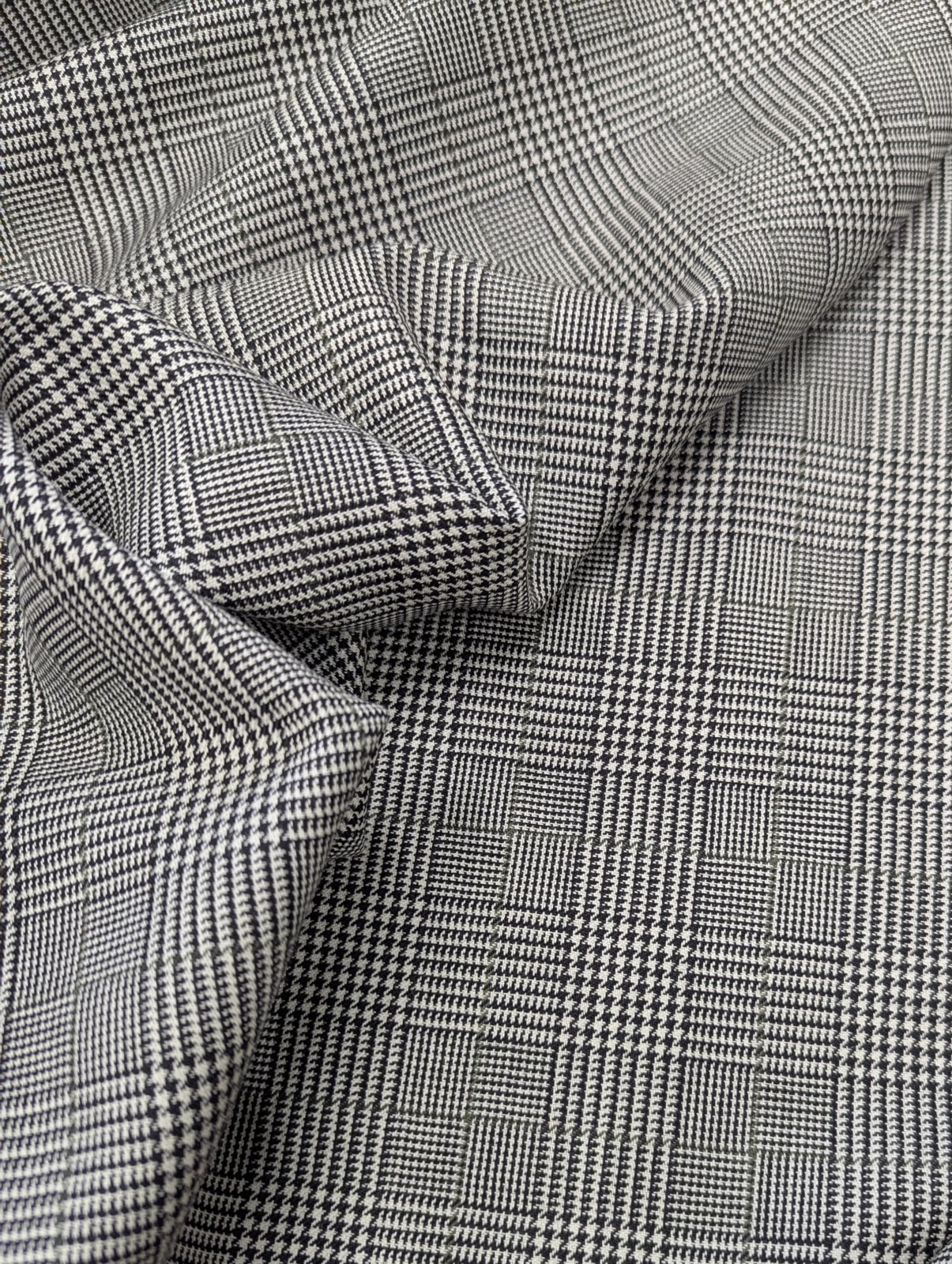
Prince of Wales Check
Refined and aristocratic, Prince of Wales tweed features a large-scale check pattern often composed of smaller overchecks within it. Popularized by Edward VIII when he was Prince of Wales, the pattern bridges country heritage and urban sophistication. It feels structured, polished, and unmistakably classic – a tweed fit for both estates and city streets.
These are some of the most recognizable tweed patterns the foundations of its visual language. But the world of tweed doesn’t stop here. Across regions, mills, and decades, countless variations, hybrids, and reinterpretations continue to evolve, proving that this heritage fabric is far more diverse than it first appears.
A Fabric That Never Goes Out of Style
Tweed has travelled a long way: from windswept landscapes to fashion week front rows. What began as a practical wool cloth designed to withstand the elements has become a textile that effortlessly weaves together heritage and high fashion.
It’s textured, it’s tactile, it tells a story. It can be quiet luxury in a perfectly cut blazer or bold drama in an oversized check. Tweed speaks with confidence and perhaps that’s its secret: it threads tradition into modernity, season after season.
In a world that is rethinking production and rediscovering value, deadstock tweed feels especially relevant. Rare runs, archival patterns, forgotten colorways fabrics with a past, ready for a future collection.
If you’re ready to weave a little history into your next design, explore our curated selection of tweeds HERE.