

Biella Didn’t Choose Wool. Wool Chose Biella: Geography and Natural Resources
Nestled at the foothills of the Italian Alps in the Piedmont region, Biella is more than a picturesque alpine town, it is the historic center of Italy’s wool manufacturing and fine-textile heritage. Its rise as a leading geographic hub of wool production in Northern Italy is inseparable from the unique characteristics of its landscape. The terrain is steep and uneven, with thin, rocky soils that historically hindered large-scale agriculture. What the land could not offer in fields, the mountains compensated for in water: an abundant and highly accessible network of alpine rivers and streamsdescending from alpine snowmelt.
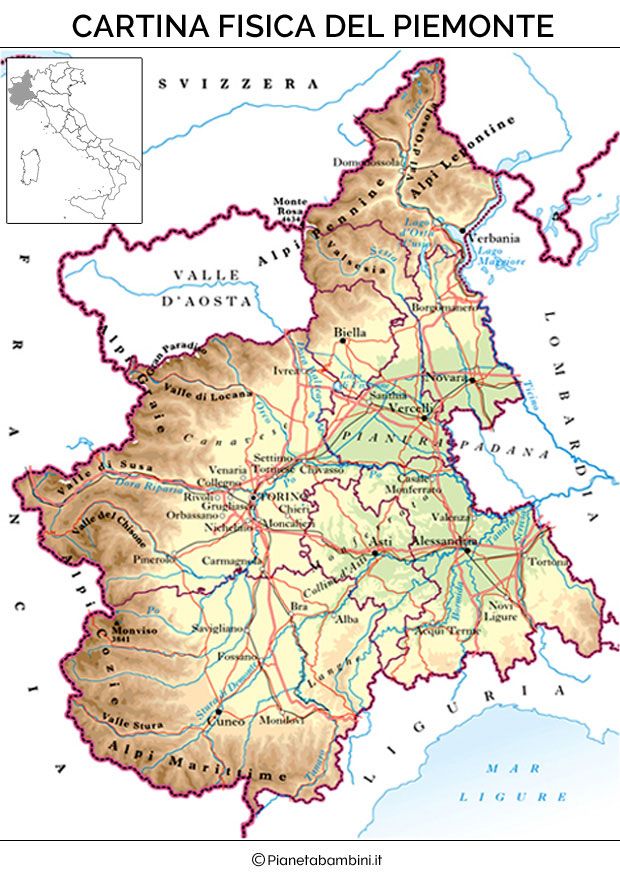
These waterways flow over non-calcareous, non-limestone geological formations, resulting in naturally soft, low-mineral water ideal for wool processing and textile finishing. This composition is exceptionally well-suited for scouring raw fleece, dyeing fibers, and finishing delicate textiles without harsh chemical adjustment, a technical advantage that Biella’s early textile artisans and wool craftsmen understood intuitively. Over centuries, these hydrological conditions became an essential driver of regional textile specialization, turning the region’s rivers into the lifeblood of an increasingly sophisticated wool-processing industry.
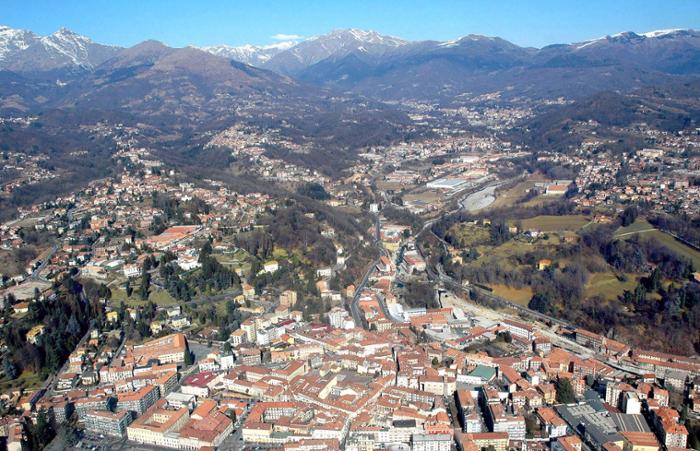
Time has only reinforced this heritage. Today, Biella’s centuries-old mastery of craftsmanship is internationally recognized: in 2019, the city was designated a UNESCO Creative City for Crafts & Folk Art, confirming its status as a global benchmark for textile excellence and artisanal innovation.
(For the history lovers (and curious ones), let’s take a gentle step back in time. One of the earliest mentions of the city appears in a document from 826, referring to the settlement as Bugella – “in villa que dicitur Bugella.” Over the centuries, this name softens and shifts into Biella, the version we know today. One scholarly hypothesis even reads the name as a geographical rivalry: Bu-cella, the “city above,” in contrast to Ver-cellae, “the city below.” A charming linguistic wink hidden in medieval ink.)
From Threads to Tradition
Although Biella’s history reaches back to prehistoric times, its real momentum started in the Middle Ages, the moment when textiles quietly, then confidently, took over the city’s identity. And let’s be honest: once Biella found its craft, it didn’t let go.
By 1245, the town had already produced a communal codex, a kind of early rulebook proving that Biella wasn’t just another alpine settlement, it was organized, ambitious, and ready to structure its economy with purpose. Not long after, new statute collections began introducing regulations for artisanal groups. Translation: craftsmanship wasn’t a side activity anymore; it was becoming part of the city’s official DNA.
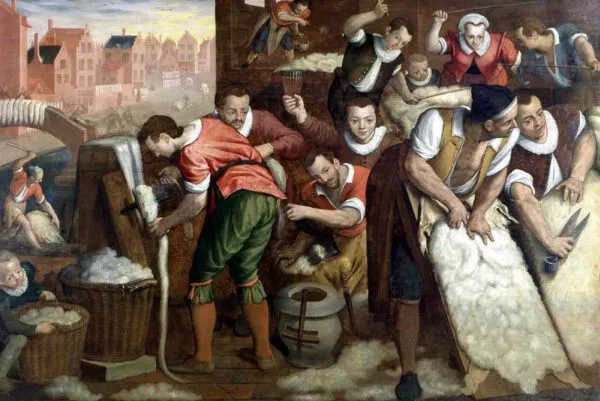
Historians often point to a set of weaving ordinances (statuta textorum), dated roughly to 1310. The document isn’t perfectly preserved, but it still tells us something tempting: even back then, weaving in Biella wasn’t a casual craft: it was already a profession with its own rules and expectations, long before industrialization arrived.
Guilds and the Expansion of Craft
Favorable geographic and economic conditions encouraged wool production to expand beyond the family or household. Between 1275 and 1419, Biella’s various craft guilds (arti) adopted their definitive statutes, formalizing commercial practices and relations with neighbouring communities. Textile activity at this time was divided into three main branches:
- Tailoring — focused on garment production.
- Weaving — involving the systematic interlacing of warp and weft on hand-operated or early mechanical looms.
- Drapery — concerned with heavier fabrics used for men’s clothing, jackets, and coats.
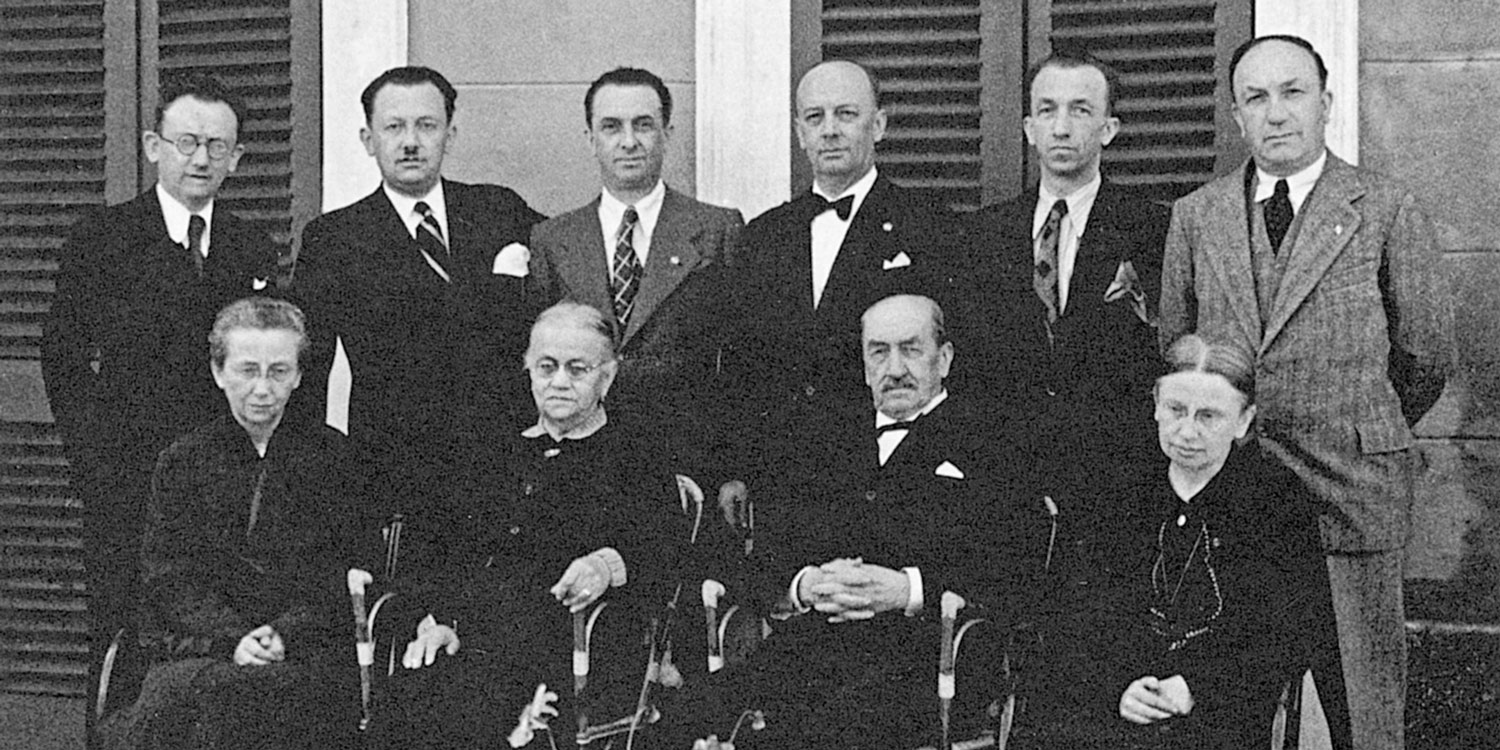
Credits: Vitale Barberis Canonico
From the seventeenth century onward, surviving records allow historians to trace not only the growth of Biella’s wool production but also the evolution of the families behind it. One of the most emblematic lineages is the one later known as Vitale Barberis Canonico, whose story threads directly into the region’s textile identity.
In Northern Italy, the surname Barbero was once so widespread that an entire settlement (Barbero) took its name from the families who lived there. Over time, the relationship reversed: families began adopting derived names like Barberis, literally “of Barbero,” to mark their origin. Some scholars even suggest that the name resonated with the family’s long-standing association with craftsmanship and “men of the cloth,” though in this case, history would give the phrase a much more literal twist.
Archival references from 1663 mention Ajmo Barbero, supplier of grey twill (saia grisa), in a municipal payment record. Later genealogical research and local textile histories identify his lineage as one of the branches that eventually adopted the Barberis surname.
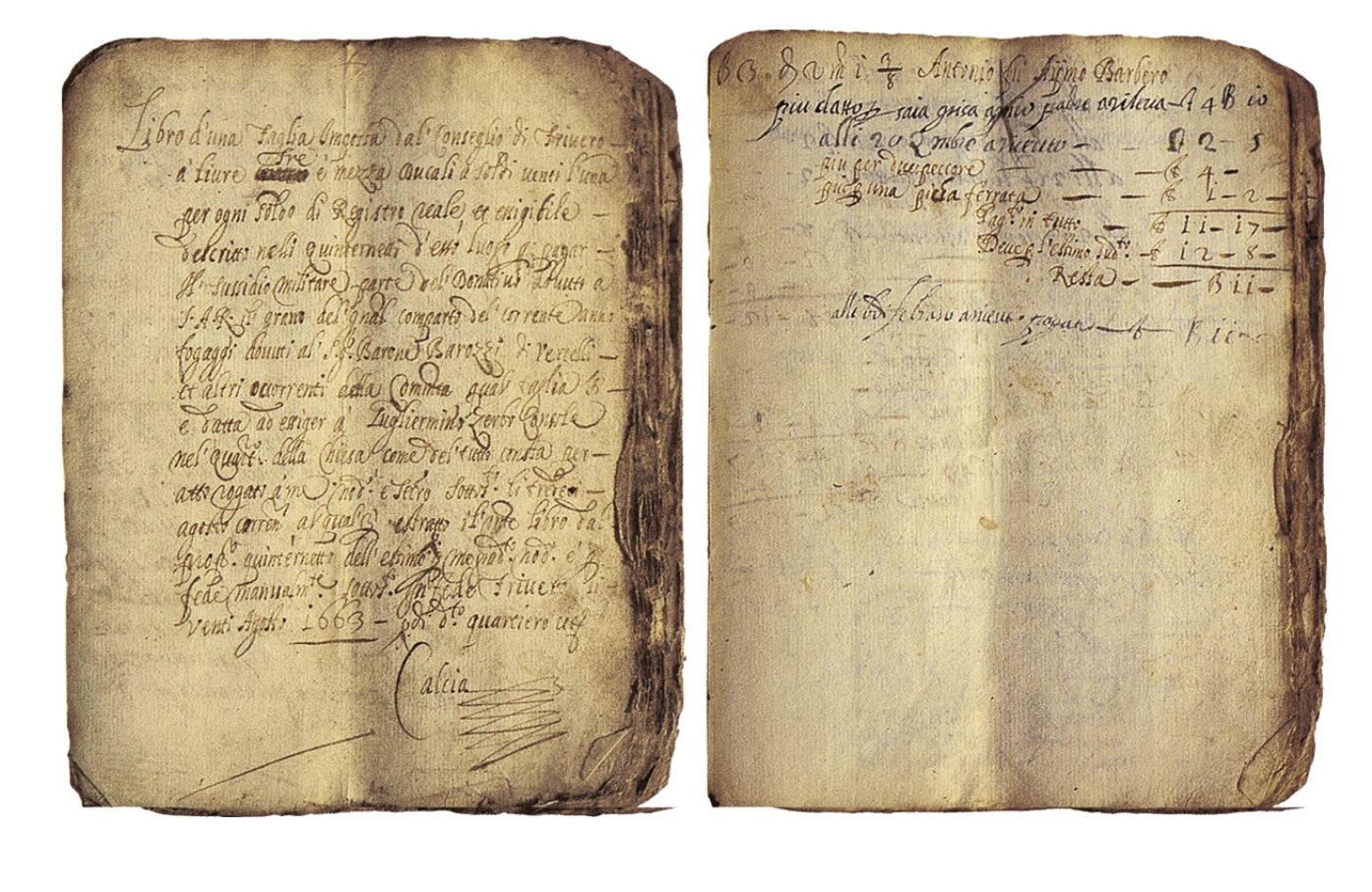
a document traditionally cited as evidence of Ajmo Barbero’s sale of grey twill
This same lineage would, generations later, establish the wool mill now renowned as Vitale Barberis Canonico, today one of Biella’s most influential and enduring textile houses. Their history, beginning with Ajmo Barbero’s seventeenth-century cloth trade and shaped through centuries of adaptation, faith, and craftsmanship mirrors the trajectory of Biella itself: from humble workshops to world-defining excellence in wool.
Industrialization and the Mechanical-Textile Revolution
By the late eighteenth century, Biella already hosted more than 250 wool-working enterprises. The true transformation began in the early nineteenth century with the introduction of the mechanical loom, which triggered a gradual but profound technological and organisational shift. Purpose-built factories emerged, creating a new industrial architecture that contrasted sharply with the smaller artisan workshops of previous centuries.
During the 1880s and 1890s, large multi-storey mills accommodated either specific stages of production, sequences of processes, or in the most advanced cases a fully integrated textile cycle from raw fiber to finished fabric. Supporting industries also flourished: mechanical workshops manufactured and repaired textile machinery, while factories produced leather belts, carding-machine sleeves, and other components essential for mechanized operations.
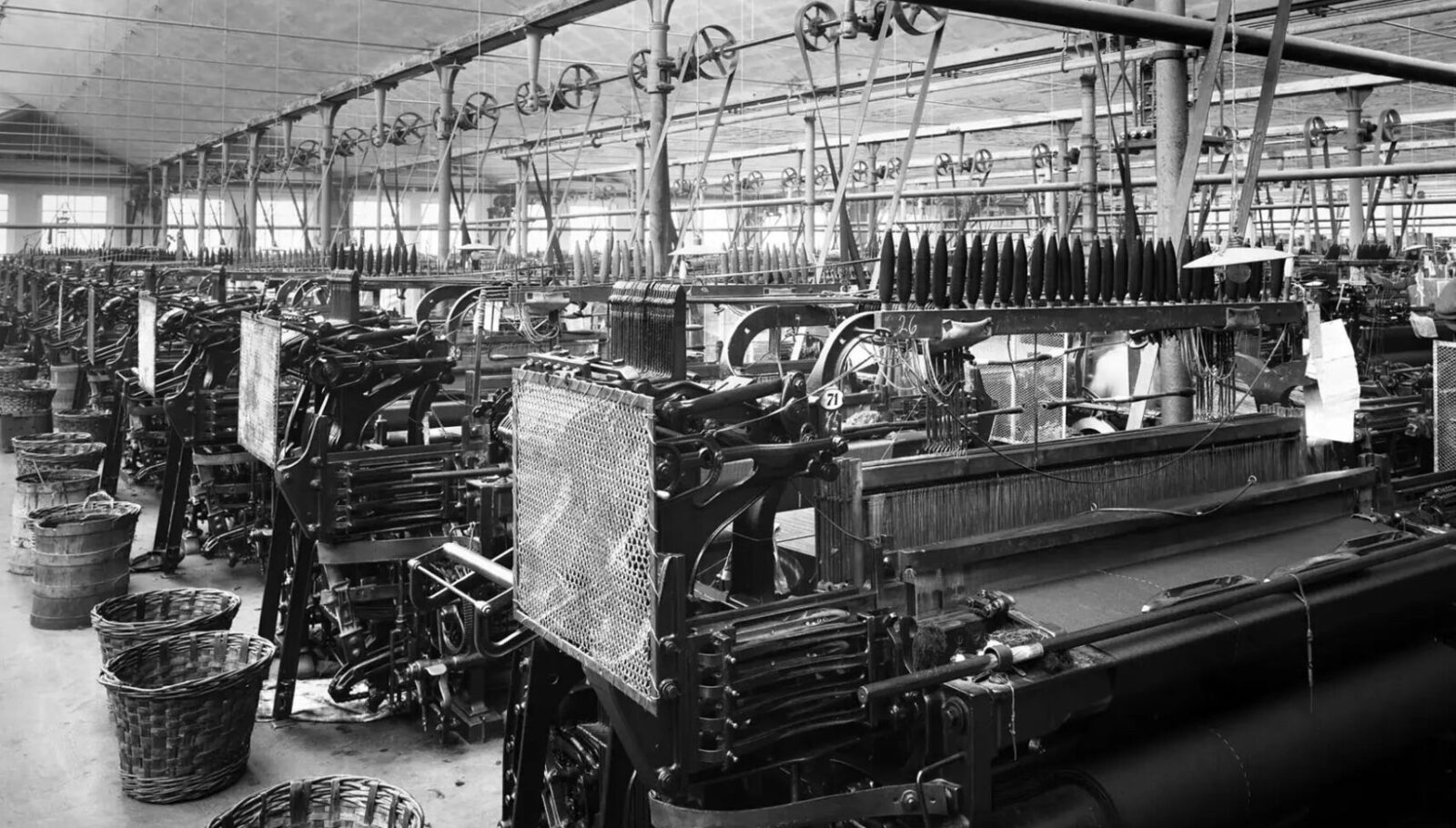
Credits: Google Arts&Culture
Despite the focus on wool, Biella’s economy was diverse. Knitwear workshops and felt-hat factories (especially in Biella and Andorno) played an important role and achieved commercial success in the latter half of the century. Entrepreneurs demonstrated both vision and courage, investing in mechanical innovation despite resistance from traditional traditional wool craftsmen concerned about unfair competition. A key figure in this transformation was Pietro Sella, whose leadership helped propel Biella into the modern industrial era.
Weaving a Worldwide Reputation
The nineteenth-century mechanical-textile revolution established the foundations for Biella’s modern prominence in wool and fine textiles. By combining natural advantages: pure Alpine water, hilly pastures, and skilled artisans with industrial innovation, Biella transitioned from a regional craft center into a globally recognized hub. The tradition of family-run mills, specialized production, and continuous innovation continues to define the region’s textile identity today.
Vitale Barberis Canonico – one of the world’s oldest continuously operating wool mills (with roots traced to 1663), celebrated for refined worsted fabrics, meticulous finishing, and a heritage that shaped Biella’s global reputation for textile excellence.
Ermenegildo Zegna – world-famous for fine wool fabrics and suit textiles, combining high-quality merino wool with innovation in weaving.
Fratelli Tallia di Delfino – renowned for hand-finished, bespoke tailoring fabrics and superior wool cloths.
Reda – a major industrial wool mill, producing worsted and suit fabrics, reflecting Biella’s evolution from artisan workshops to mechanized production.
Piacenza 1733 – specializing in premium cashmere and wool, maintaining centuries-old craft traditions.
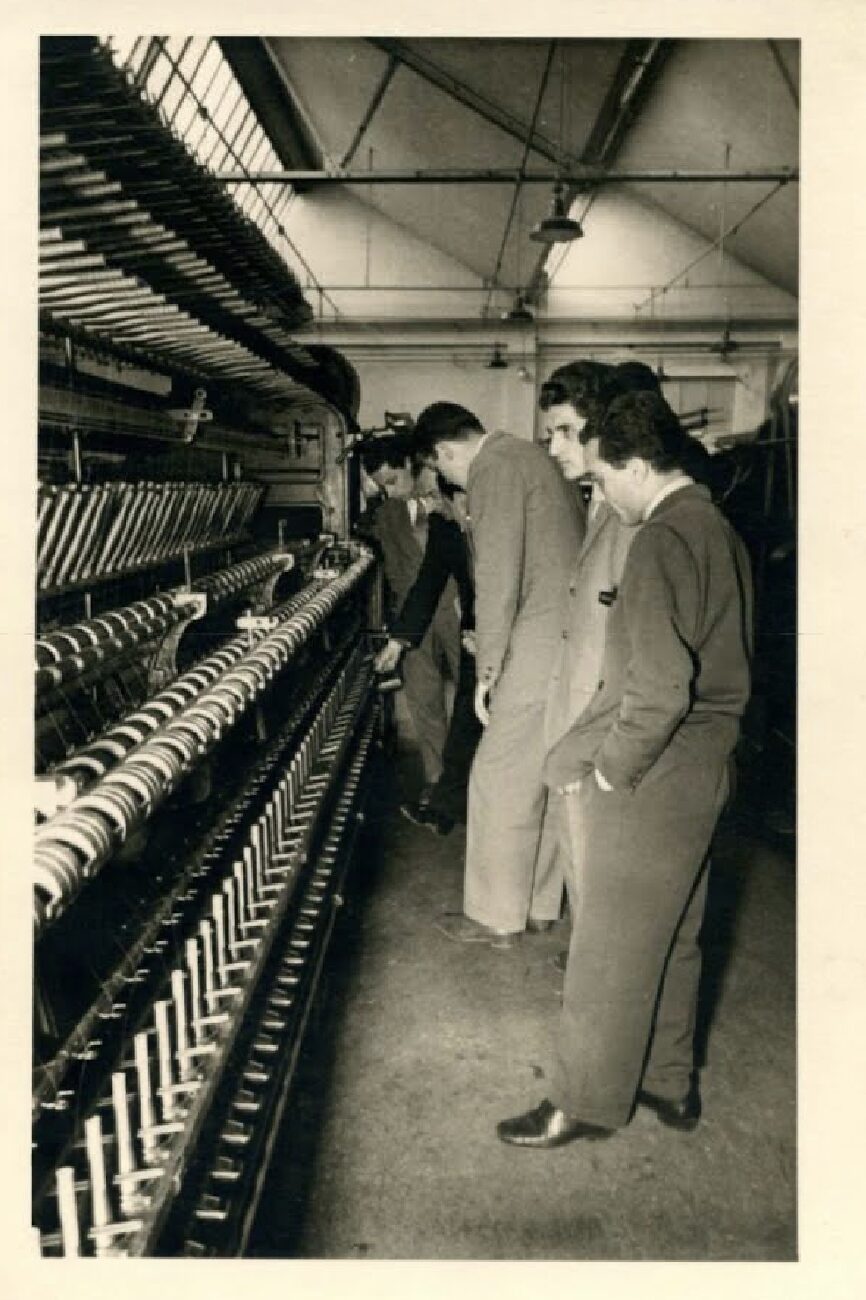
Credits: Google Arts&Culture
Modern-day houses continue the tradition, combining innovation with centuries of savoir-faire:
Drago — producing high-quality wool fabrics for suits and jackets, hand-crafted with contemporary techniques.
Tollegno 1900 (Filatura Tollegno) — spinning and weaving wool yarns and fabrics, from worsted to lightweight, for modern tailoring and industrial applications.
Fratelli Tallia di Delfino — not only historic but also actively innovating today, maintaining a balance of hand-finished fabrics and modern textile production.
Lanificio Cerruti 1881 — blending classic woolen textiles with contemporary demands.
Lanificio Subalpino — producing premium worsted and specialty wool fabrics, representing the ongoing evolution of Biella’s textile sector.
Botto Giuseppe & Figli — a historic Biella wool mill founded in 1876, producing fine wool, cashmere, and silk fabrics through fully vertical manufacturing
Lanificio di Pray — a Biella-area mill known for high-quality carded wool fabrics, especially jackets and overcoats.
Trabaldo Togna 1840 — a heritage mill specializing in ultra-fine and stretch wool fabrics, blending tradition with modern textile innovation.
Ferla — a Biellese mill creating distinctive textured and luxury wool fabrics, known for innovative blends and contemporary design.
Marlane (BMT Group) — a modern producer of premium worsted fabrics for tailoring, part of BMT/Marzotto’s Biella-based textile network.
Together, these historic and contemporary houses illustrate the full spectrum of Biella’s textile identity: from centuries-old family ateliers to cutting-edge luxury and industrial producers, all united by the same natural advantages and relentless commitment to excellence. Biella proves that its textile legacy isn’t just history, it’s a living craft that keeps evolving, thread by thread.
Text: Catherine Serduke