
Finding the right fabric sourcing strategy is one of the most critical steps for any fashion brand. In 2026, brands have more sourcing options than ever. Each with different advantages depending on scale, budget, timelines, and long-term goals.
Below is a practical overview of where to source fabrics for your brand, and how to choose the right suppliers based on your current brand’s stage.
Main Sourcing Options
Fashion brands typically source fabrics through the following channels:
-
Fabric shops (retail / wholesale)
-
Wholesalers and distributors
-
Online sourcing platforms
-
Fabric sourcing agencies and consultants
-
Textile trade shows
-
Fabric mills
Each option serves a different purpose within the fabric sourcing process.
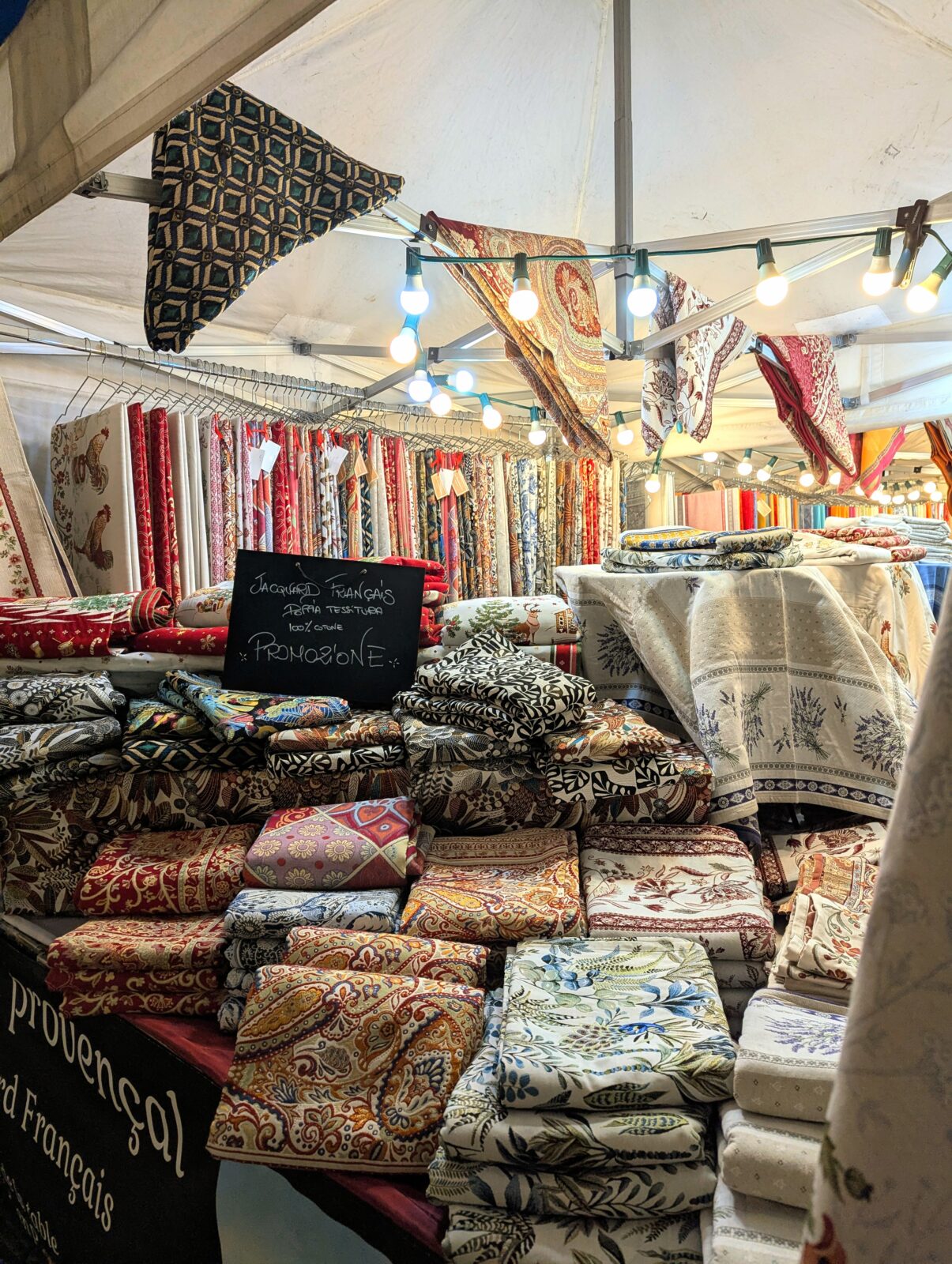
Fabric Shops (Retail / Wholesale)
Best for:
Small brands, ateliers, experimental collections, sampling
Availability:
Typically 1–50 meters
Pricing:
Retail prices
Sourcing tip:
Building long-term relationships with fabric shops is essential. Many shops offer discounts to regular clients, and some can even order fabrics for you directly from their suppliers at better prices than standard retail. For early-stage brands, fabric shops remain one of the easiest entry points into fabric sourcing.
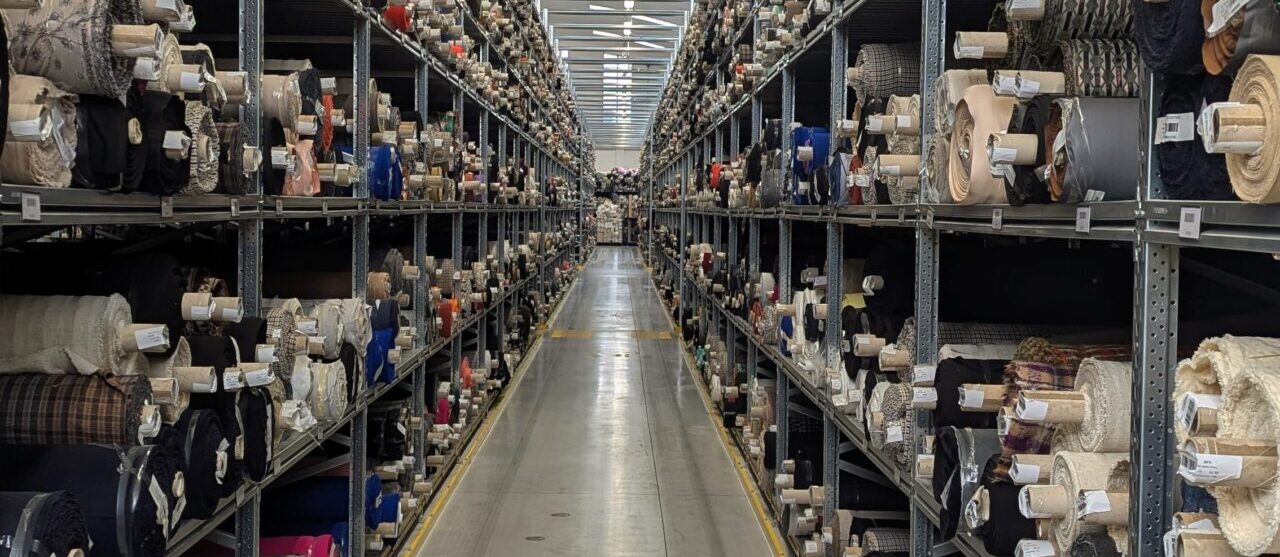
Wholesalers and Distributors
(including deadstock suppliers and jobbers)
Best for:
Small to mid-size fashion brands
Availability:
Usually 1–300 meters, depending on fabric type and color
MOQ applies
Pricing:
Wholesale prices
Sourcing tip:
Ask about stock programs and fabric continuity. Many wholesalers carry the same fabrics season after season, which makes reorders and scaling much easier.
This typically does not apply to deadstock suppliers and jobbers, where availability is often limited.
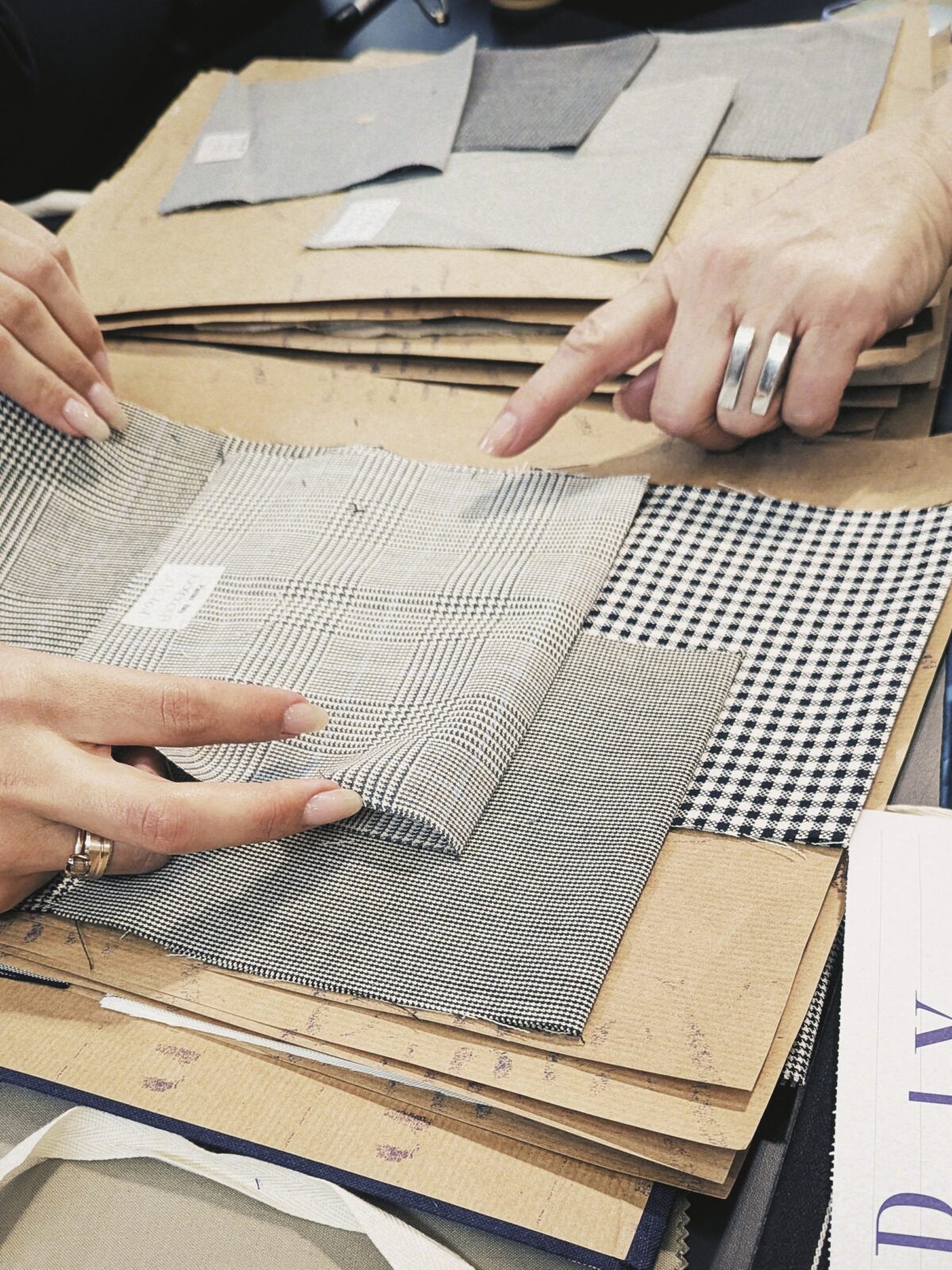
Fabric Sourcing Agencies and Consultants
(that’s us)
Best for:
Small to large brands that value time, access, and efficiency
Founders without an in-house sourcing team
Availability:
Low to high volumes, depending on the sourcing route
MOQ applies
Pricing:
Service fee + fabric cost
Sourcing tip:
Sourcing agencies provide fast access to suppliers, saving weeks, months, or even years of research and relationship-building. They help brands avoid costly mistakes, access better suppliers, and navigate deadstock, wholesale, and mill sourcing more efficiently.
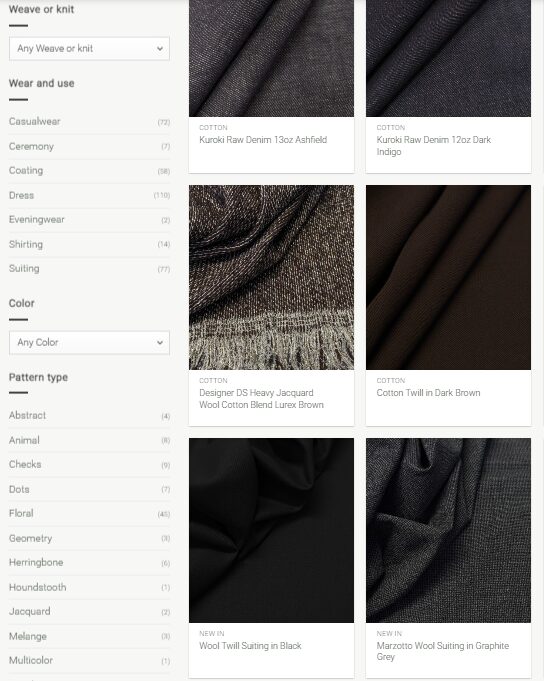
Online Fabric Sourcing Platforms
(resale, deadstock, wholesale)
Best for:
Sampling, early-stage brands, fast sourcing
Availability:
From 1 to 1,000 meters, depending on the platform
Sold by meter, yardage, or full rolls
Pricing:
Low to mid-range
High for luxury or rare materials
Sourcing tip:
Use online platforms for testing and small-scale production. Always order swatches and conduct fabric tests before sending materials to a manufacturer.
Online sourcing rarely works well for long-term relationships unless the platform has an offline presence, in that case, build direct connections with them

Textile Trade Shows
Best for:
Growing to established brands
Long-term sourcing and R&D (research and development)
Availability:
Mostly production-based fabrics
Average MOQ: 150–300 meters
Pricing:
Low to high, depending on MOQ, development, origin, materials
Sourcing tip:
Trade shows are intense for exhibitors. Go with a clear brief: target prices, quantities, and use cases. Trade shows are ideal for building relationships at scale and planning future collections.
Take notes, collect business cards, avoid over-ordering swatches, and always ask if suppliers offer stock service, you can sometimes order as little as one roll.
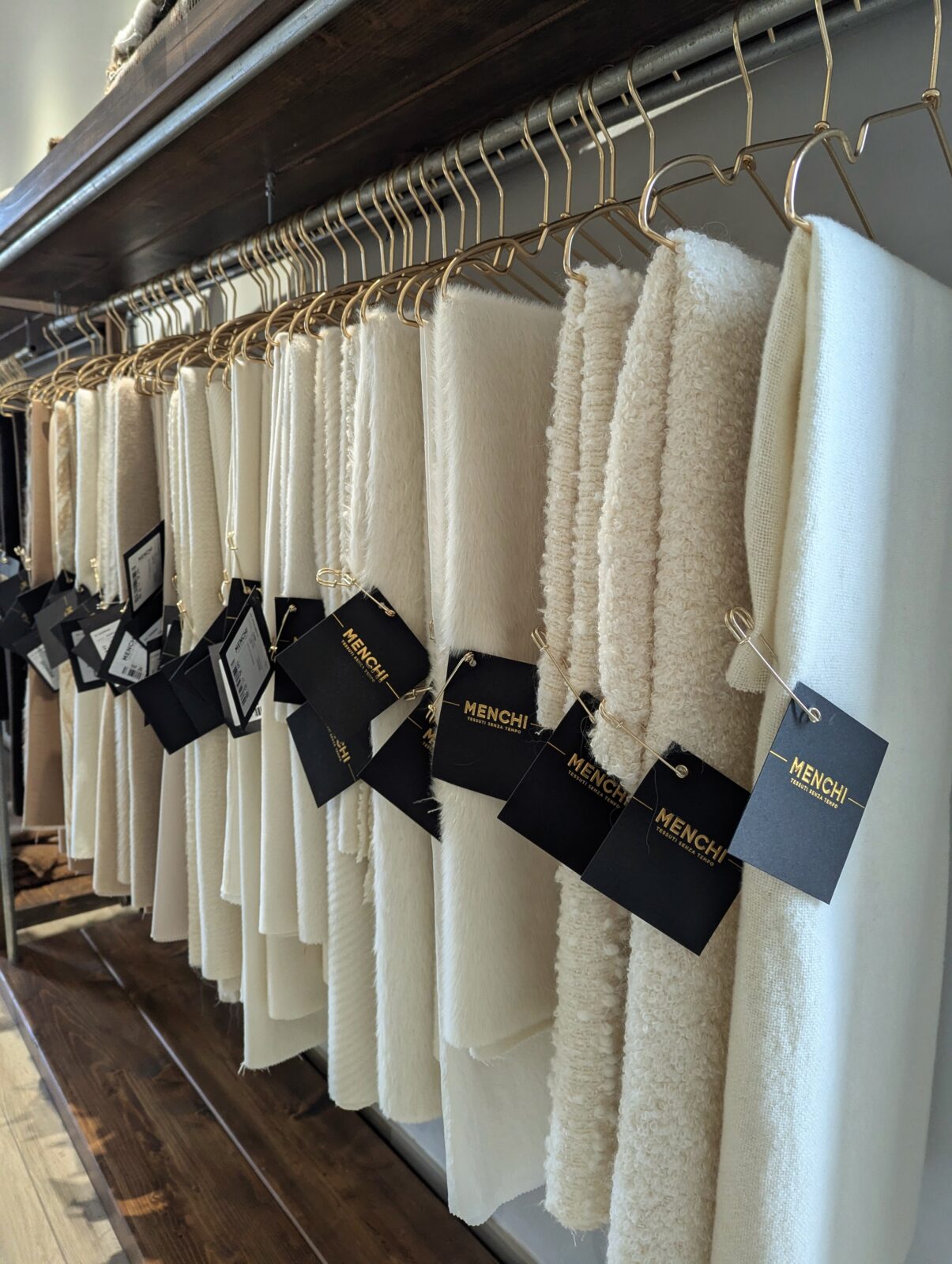
Fabric Mills
Best for:
Established brands
Consistent collections and long-term sourcing strategies
Availability:
Made-to-order fabrics
Occasional stock programs available
Pricing:
Low to high, depending on materials
MOQs:
High MOQs in most cases
Sourcing tip:
Fabric mills operate on planning and volume. Be clear about end use, quantities, colors, and timelines. The more detailed your brief, the more reliable the result.
Each mill has its own terms — never assume, always ask.
There are also smaller mills that work with lower MOQs and continuous stock service.
Final Notes on Fabric Sourcing in 2026
Choose suppliers based on your actual volumes, not aspirations.
Learn the process and progress step by step.
Build relationships.
Suppliers are second only to your parents in importance — treat them accordingly.
Educate yourself on terms, MOQs, and timelines before reaching out.
Prepare a clear, detailed sourcing brief.
If your first request leaves suppliers with unanswered questions, something went wrong.
Learn the process.
Respect the people.
Everything else will follow