

There are brands that chase trends like fireflies, and there are brands that build a world of their own. Cabra lives in the second camp. Born in Brazil and now rooted in Spain, this small atelier has quietly earned a place among the most compelling names in modern workwear.
The studio is run by Daniel Mangualde and Camila Romano, two makers who treat clothing like an extension of the wearer: something to not only compliment the body, but extend functionality and purpose.
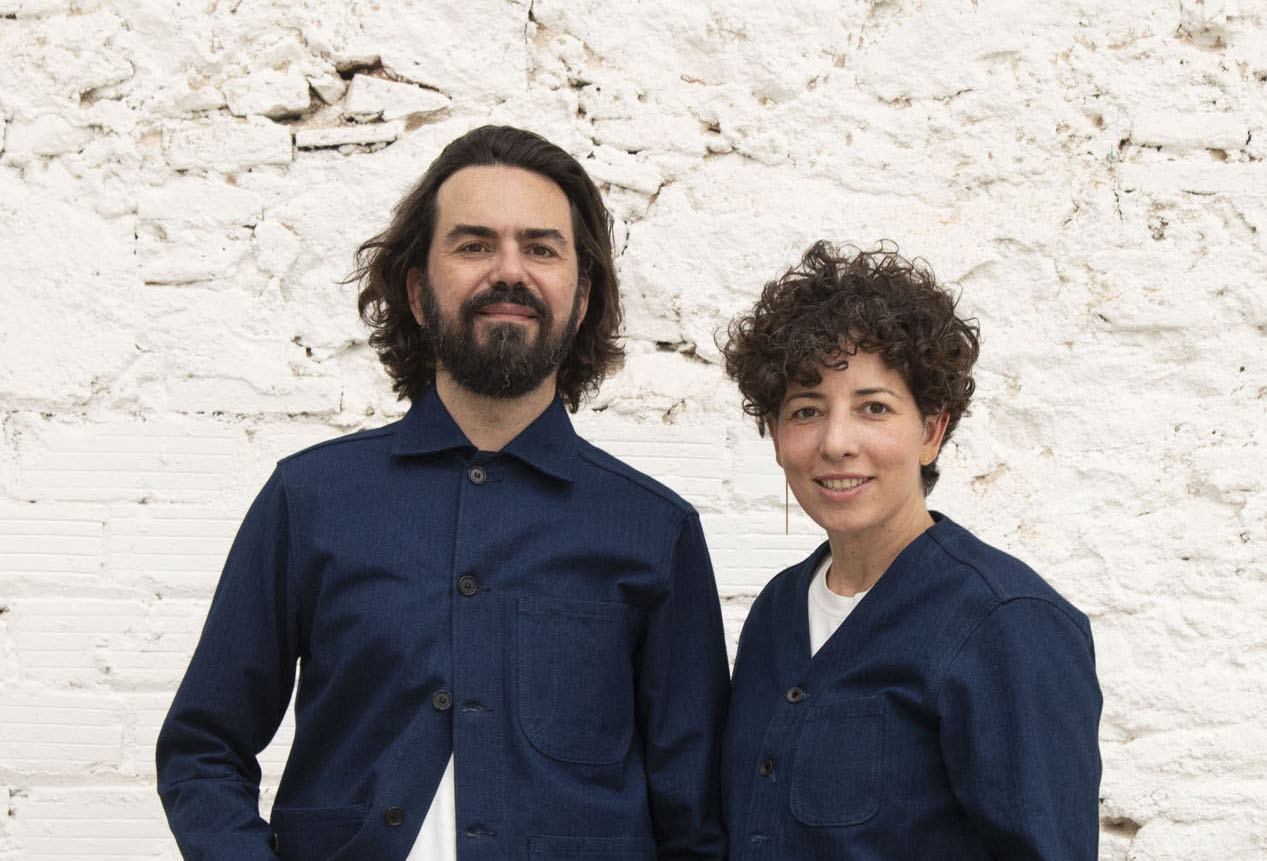
Co-founders: Daniel Mangualde and Camila Romano
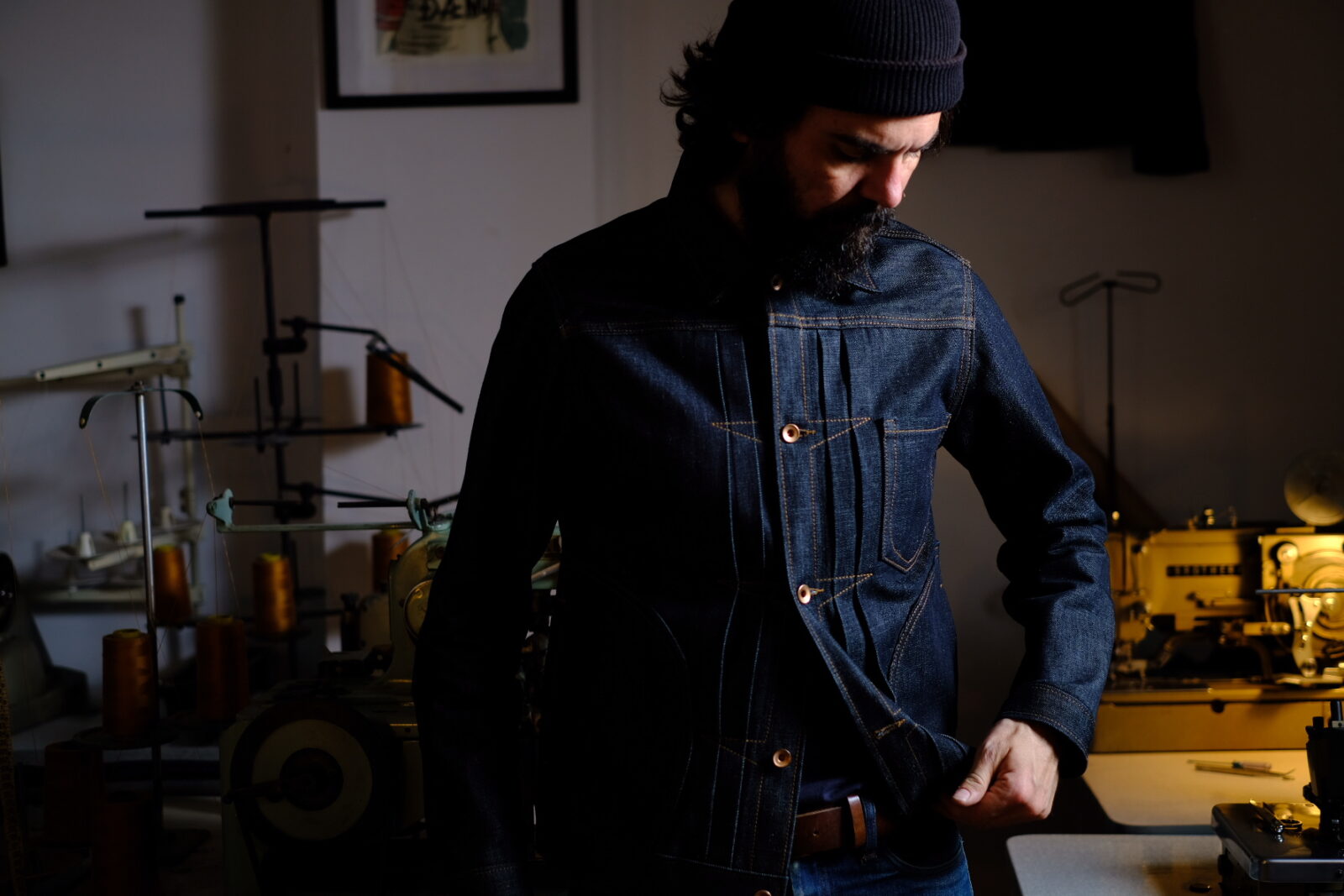
Cabra’s universe rests on a simple kind of honesty. Natural fibers, unhurried work, and a belief that craft should still mean something. Their garments carry the weight and warmth of human touch. They feel grounded and tactile, like objects with memory. Cabra calls itself a studio for functional clothing, shaped by ethical production, natural materials, and longevity.
Nothing flashy and nothing loud. Just a quiet assurance and the kind of careful work that speaks for itself.
It makes perfect sense that denim sits at the heart of all this. So it was only logical that during our Denim Week at CONSTRVCTOR we went to talk to Daniel and Camilla about denim and ask what it means to them.
-
Why denim? What was the moment you realized this material would be the foundation of Cabra? Was there a personal story or object like a pair of jeans, a fabric, an encounter that created your connection to denim?
– For me, it started with function. The first thing I ever tried to sew was a heavy-duty cycling bag, something built to survive real use. That shaped the way I think about clothing. When I started making garments, the softer fabrics didn’t match the way I move or the kind of pieces I wanted to create. I needed a material that could live with me: on the bike, in the workshop, in the day-to-day. That naturally led me to workwear, and denim sits right at the centre of that world. Few fabrics offer the same mix of durability, ageing, and personality. That’s why denim became the backbone of Cabra.
-
Cabra could’ve worked with any textile. Why choose one of the most demanding, expensive, and slow materials in the industry like japanese raw denim?
– We work with a range of natural fibres like wool, hemp, canvas and cotton. Anything honest, organic, and well-made is always on our radar. But Japanese selvedge denim stands out because it brings together everything we look for in a fabric. Some mills in Japan still weave denim the way it was done in the early days: slow, precise, on old shuttle looms that give the cloth its structure, depth, and selvedge edge. It’s demanding, expensive, and time-consuming, but it has a level of integrity that’s hard to resist. If you’re trying to make your best craft, you look for materials built with the same care. That’s what makes a piece age in the best way and worth putting your money into.
-
What does Japanese denim mean to you personally? How many mills did you work with and what’s your number one producer to go to? Do you use any other fabrics besides it? Why do you think japanese denim is a cult?
– For me, Japanese denim feels exceptional. The texture, the colour, the way it’s woven, it all has a personality you don’t find everywhere. When something is made with that level of care, it naturally gains a cult reputation. I’ve only worked with fabrics from two mills, so I don’t have a definitive favourite yet. But I’m very happy with Japan Blue textiles. They reproduce traditional denim beautifully, like the low-tension selvedge I’m using now, and they also offer things like sashiko and duck canvas that really stand out. That said, we don’t rely only on Japanese selvedge. We work with Brazilian and Italian selvedge, waxed canvas from Scotland, and pure wool from the UK, each one chosen because it fits the way we like to make clothes.
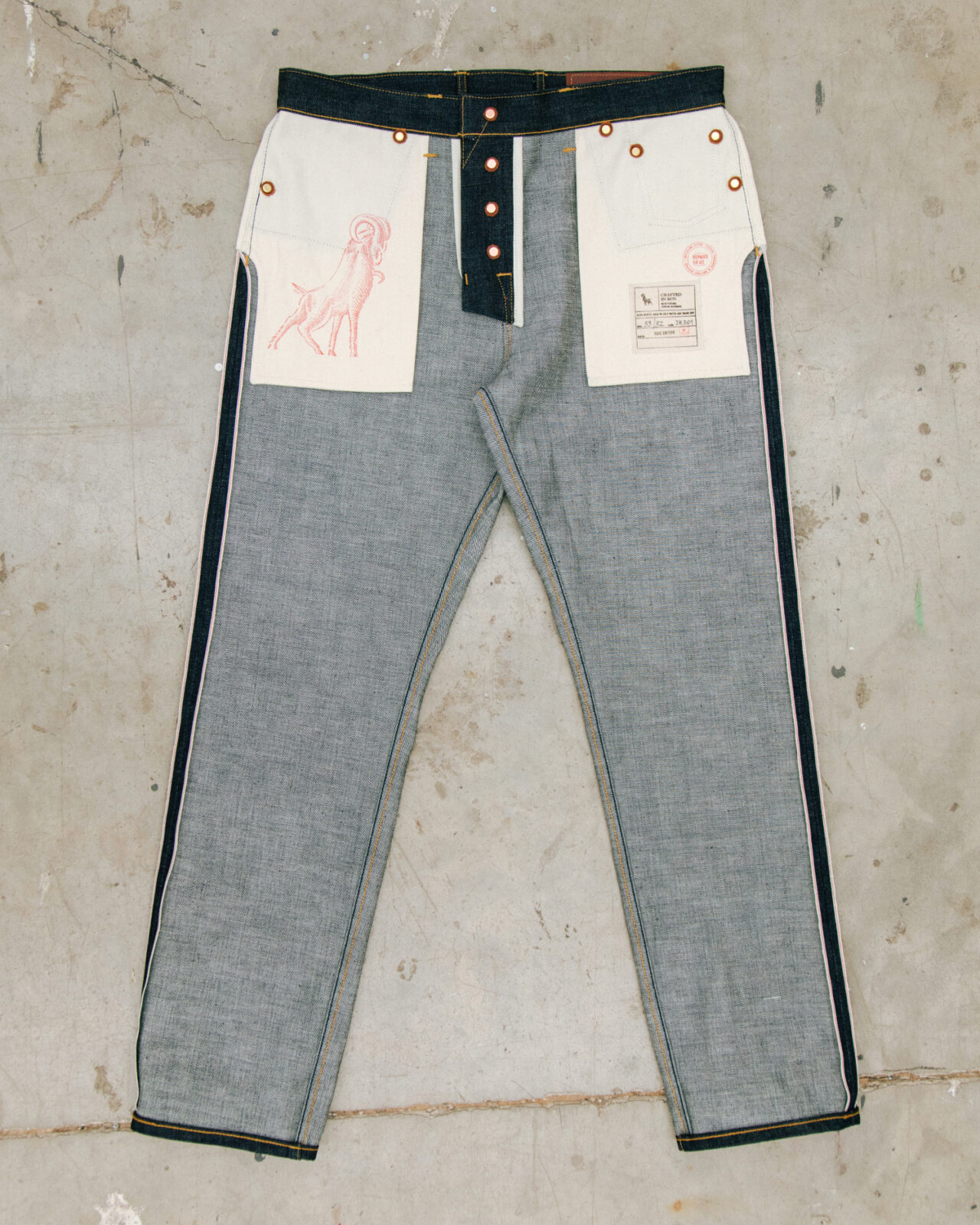
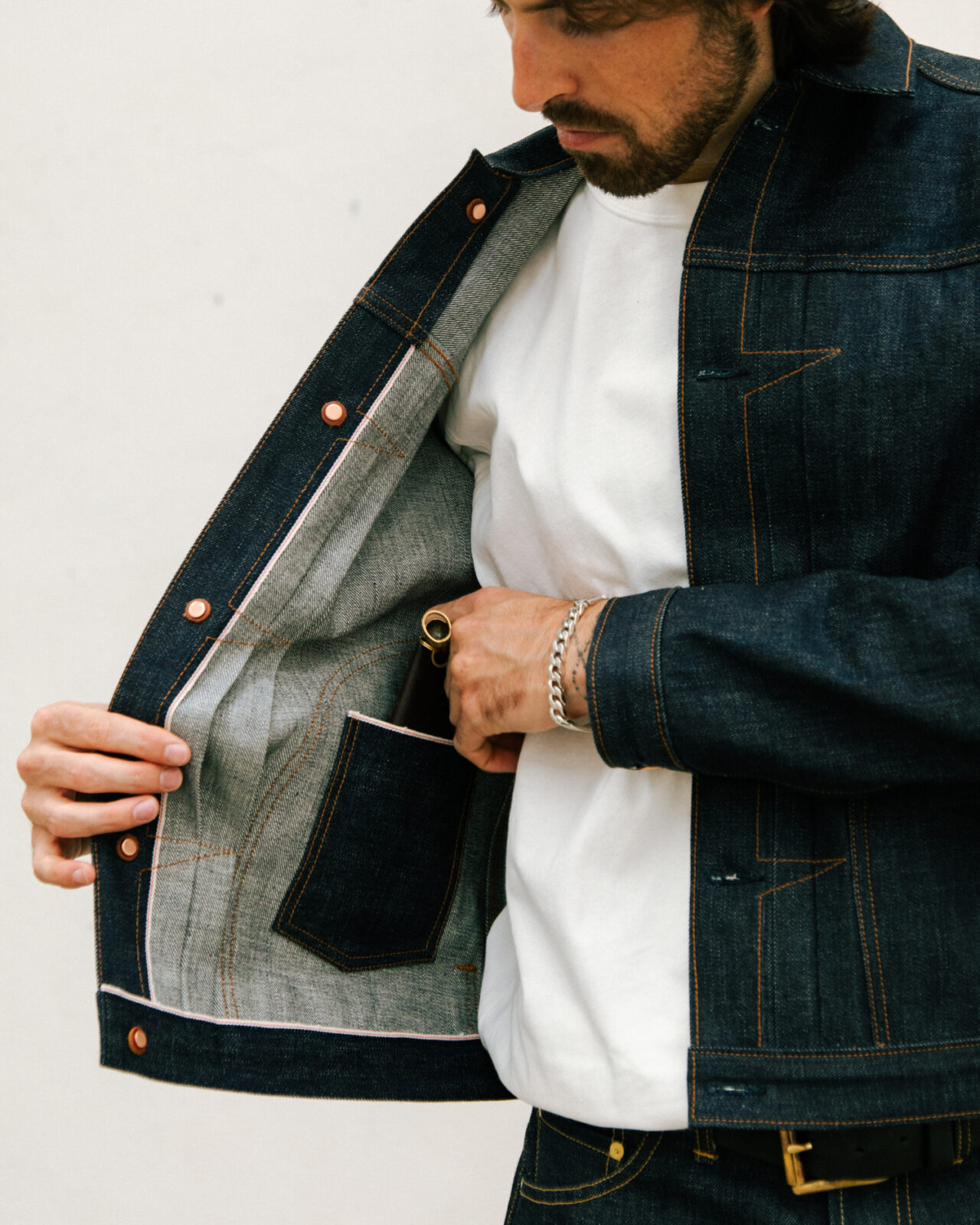
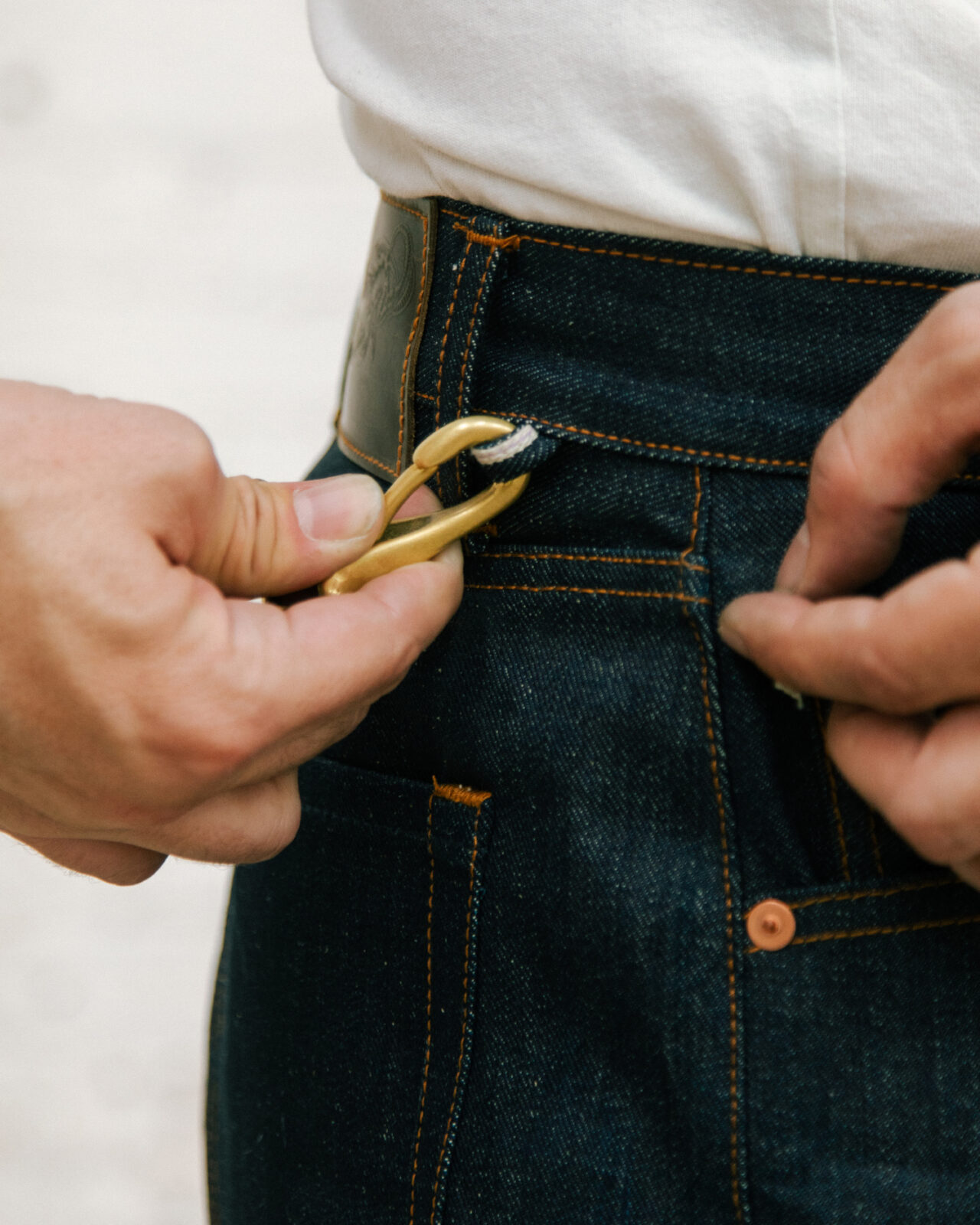
4.We’re at Constrvctor feel that Japanese denim is becoming a trend, going beyond its usual following. In your view, what’s misunderstood about Japanese denim by brands that use it only as a selling point?
– It’s natural that the industry wants to be seen using Japanese denim, it grabs attention. But there’s a clear difference between a brand that uses it as a trend and one that understands the craft behind it. Japanese denim isn’t special because of the origin: it’s the process, the mills, the intention. And if a brand can’t connect the material to the way they make things, the story behind it, then it becomes more of a marketing label than a real commitment.
Editor’s note: By the way, if you haven’t read our deep dive on Japanese denim yet, now is a good moment. We explore the mills and methods behind the fabric Daniel is describing.
-
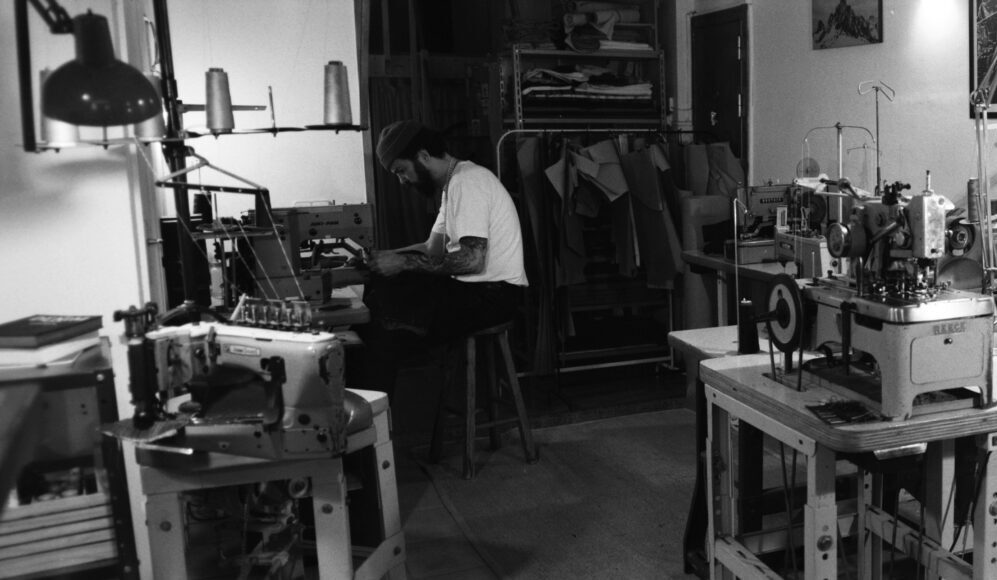
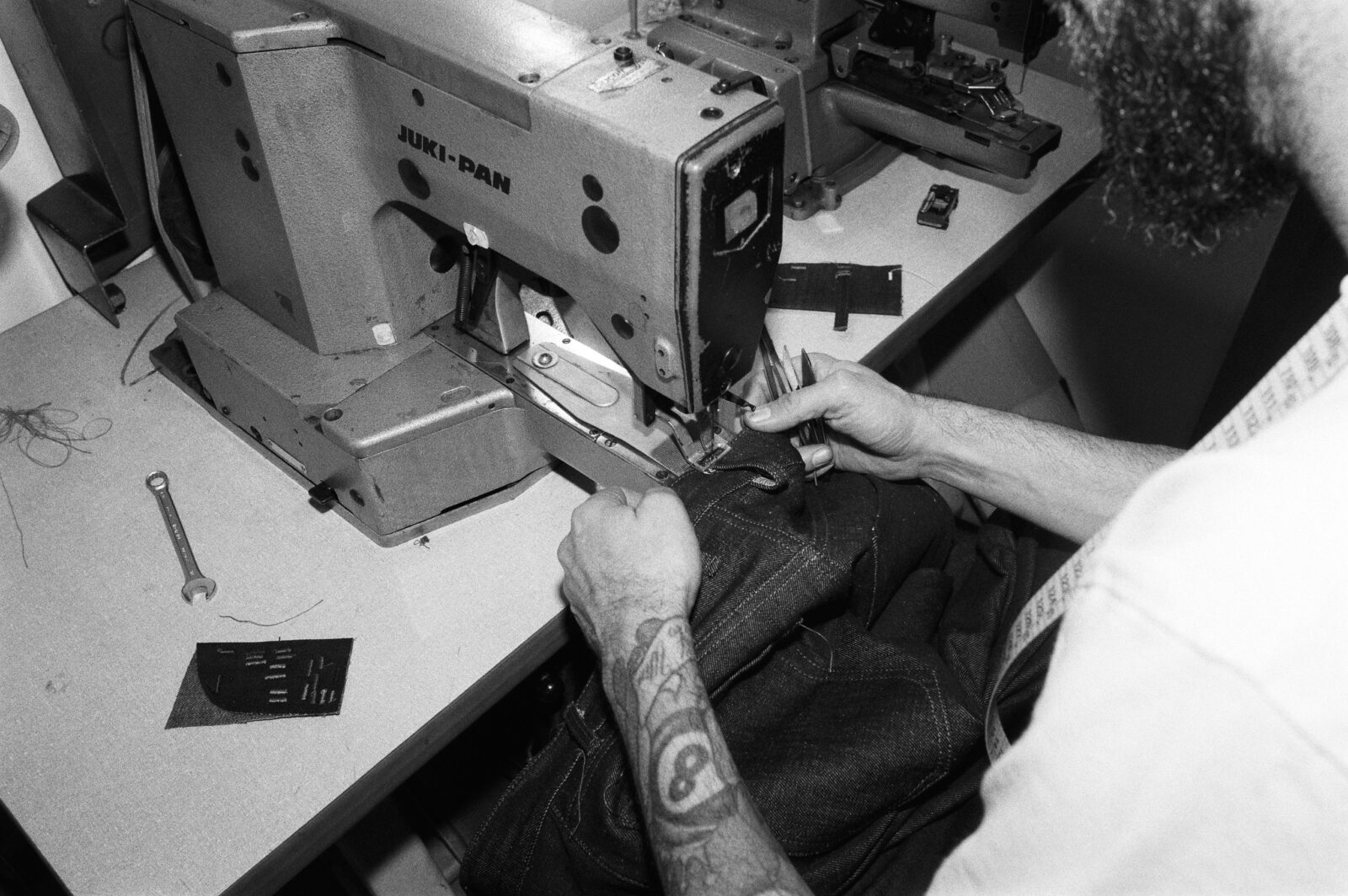
You use old sewing machines. Why choose 50–70-year-old machines over modern industrial equipment?
– The tightness of the stitch, the mechanics, the way these old machines work without any modern technology, that’s what draws me in. They’re beautiful objects, built to last, and there’s something satisfying about giving a second life to tools the industry is discarding. When I first started looking for machines in Brazil, these were the ones nobody cared about, which also made them more accessible. But beyond that, they simply do the job the way I need.
-
What can a vintage sewing machine do that a modern machine simply cannot?
– Nothing really, but the old mechanics sometimes create small quirks in the stitch or in the way the garment ages. (or maybe that’s just legend, lol). What matters to me is using tools that are old and still running, that resistance keeps me close to the craft.
-
What’s the biggest challenge in maintaining and operating these old machines? How do you deal with the problems?
– The biggest challenge is the learning curve. The mechanics are simple, but it takes time to understand their particularities, and sometimes you lose a whole day figuring something out. The few mechanics who still know these machines are now retiring, but they become friends, and I try to learn as much as I can from them. And of course, there’s the noise and the smell of oil, but you get used to both. If you respect how the machine wants to work, it rarely gives you trouble. They’re old, but they’re reliable.
-
“Slow-made” is often romanticized. What does slowness mean in your production?
– Slowness means being aware of how things are made, who benefits from the process, and the quality of life we can get and offer. Me and Camila spend a good amount of time trying to understand this balance. It doesn’t mean that, as a brand, we need to do everything slowly, but slow enough to take proper care of every part involved. That’s where the value is.
-
How long does it actually take to create a pair of Cabra jeans? And how many can you create per month?
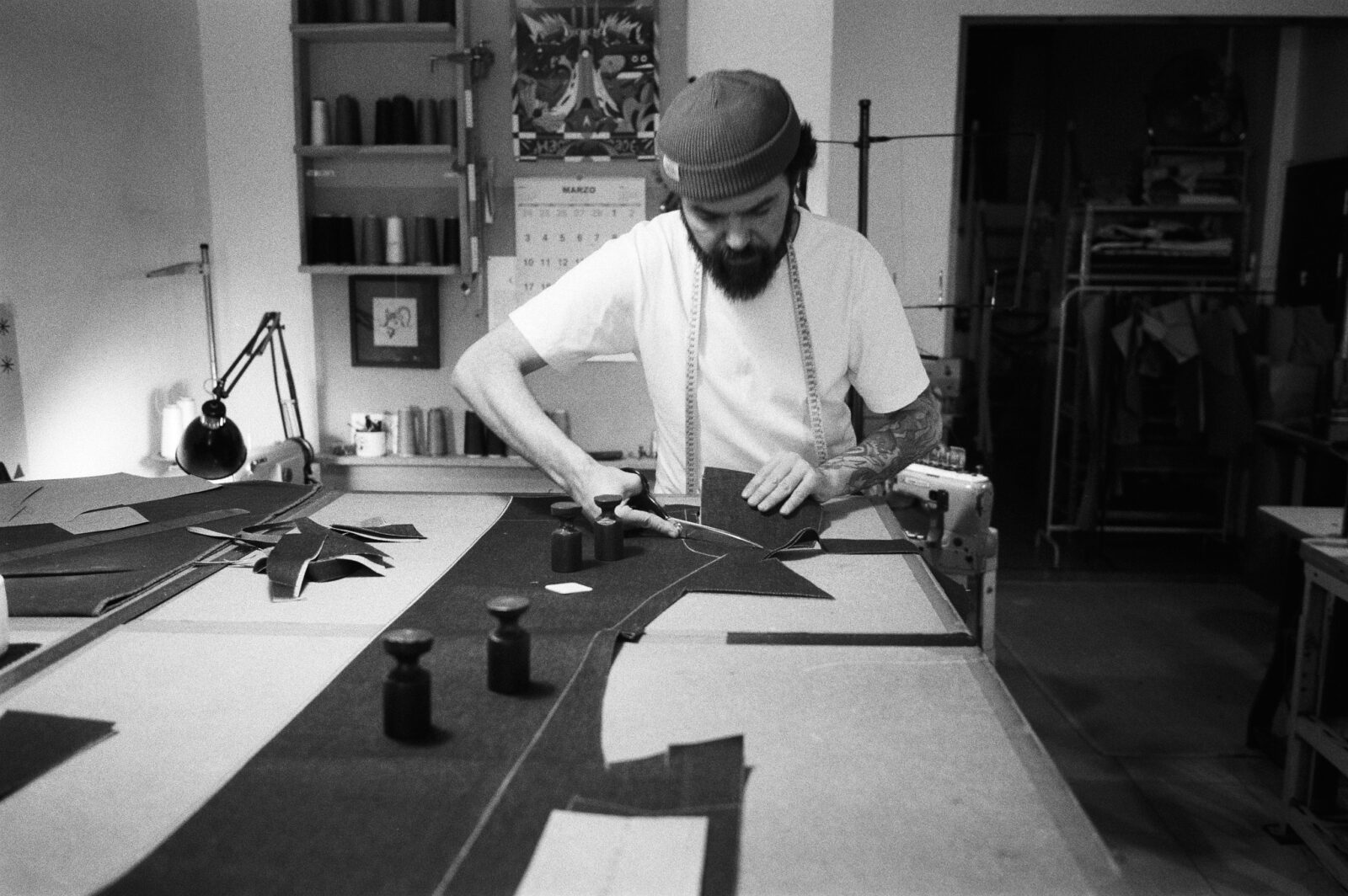
– It depends on the type of jeans. A custom pair takes about six hours, since I need to adjust the pattern, cut, sew, and add unique details. For a standard model, with one cutting session and the same machine setup, I can make two to three pairs in eight hours, working almost like a small assembly line. I’ve never dedicated a whole month just to jeans, but following one model and one workflow, I could make around 30 pairs on my own. Not that I’m sure I’d want to.
-
What’s the emotional value of a garment made slowly? Can you feel it? Can your customer?
– I can definitely feel it. When I make a garment slowly, I’m putting real attention and effort into every step. It’s not perfect, handmade pieces never are, and those small peculiarities are exactly what give it character. Most of our clients value that. Beyond the details, there’s also the experience: visiting the workshop, seeing where and how things are made, or at least knowing who’s behind the piece. I think there’s a real satisfaction in wearing something that supports this kind of work and this kind of business. It creates a connection you just don’t get from fast production.
-
What kind of people come to you for denim? What are they looking for: authenticity, quality, identity?
– There are the denim nerds, of course, the ones who already know the craft and are deep in the niche. But right now, most of my clients are people looking for something outstanding and closer to the maker. They want to know where their clothes come from, who’s making them, and they love the idea of customising something that’s usually not customisable at all.
-
Do you think raw denim culture is growing, or is it becoming more niche and refined?
– I don’t see raw denim becoming a mainstream thing. It’s naturally a smaller crowd. The people who choose it appreciate the process, the durability, and knowing who’s behind the work. And to be honest, it’s not the easiest thing to wear. It’s stiff, it needs extra care and patience, and it’s more expensive, so it attracts people who genuinely want that experience. The wider industry will always borrow elements from it, and that’s fine. But handmade and mass-produced pieces serve different purposes, and there’s room for both.
Editor’s note: If you want to see how raw denim is actually washed and get some practical tips from people who know what they’re doing, check it out [here].
-
If you could collaborate with any Japanese mill or craftsperson, who would it be and why?
– I don’t have a specific name, mainly because we haven’t met many of them in person yet. We’d love to travel to Japan and get to know the people behind the work, that matters more to us than the marketing. That said, we’re very curious about the mills behind Samurai Jeans. They create some uniquely interesting materials.
-
What do you wish people understood about Cabra that is always missed?
– People often think Cabra is only about denim. Denim is a big part of what we do, but we’re really driven by workwear, functional clothing, made for real workers and real needs. We love creating pieces for teams, for specific jobs, for people who actually use their clothes as tools. That part of the brand often gets missed, but it’s at the heart of what we do.
Some labels chase trends like they’re afraid to miss the party. Cabra slips in quietly, finds a seat in your wardrobe, and ends up staying longer than anyone expected. Their clothes behave less like objects and more like companions, the kind you accidentally grow fond of because they simply fit your life too well.
So that’s Cabra. The brand you casually mention to friends when you want to sound like you know things. The one that doesn’t scream for attention because it doesn’t need to. It simply exists long enough to outlive most of the trends on your feed.
And since we’re in full Denim Week mode, think of this interview as the second chapter. The first one is our deep dive into Japanese denim. If you missed it, now’s a good time to fix that.
Credits:
Words: Catherine Serduke
Questions: Masha Gudova
Photos: Cabra Store