

It began as cloth for miners, but ended up being clothing for the world.
From mines to magazines, from workwear to runway, few fabrics have traveled so far without losing their soul. Worn, frayed, and reborn with every generation, denim remains stitched into the very DNA of modern style.
And nowhere has this blue canvas been studied, perfected, and revered quite like in Japan (but let’s not get ahead of ourselves).
Let’s unbutton history and stitch these milestones together, from first weave to modern blue.
Nîmes, Genoa… or Somewhere In Between?
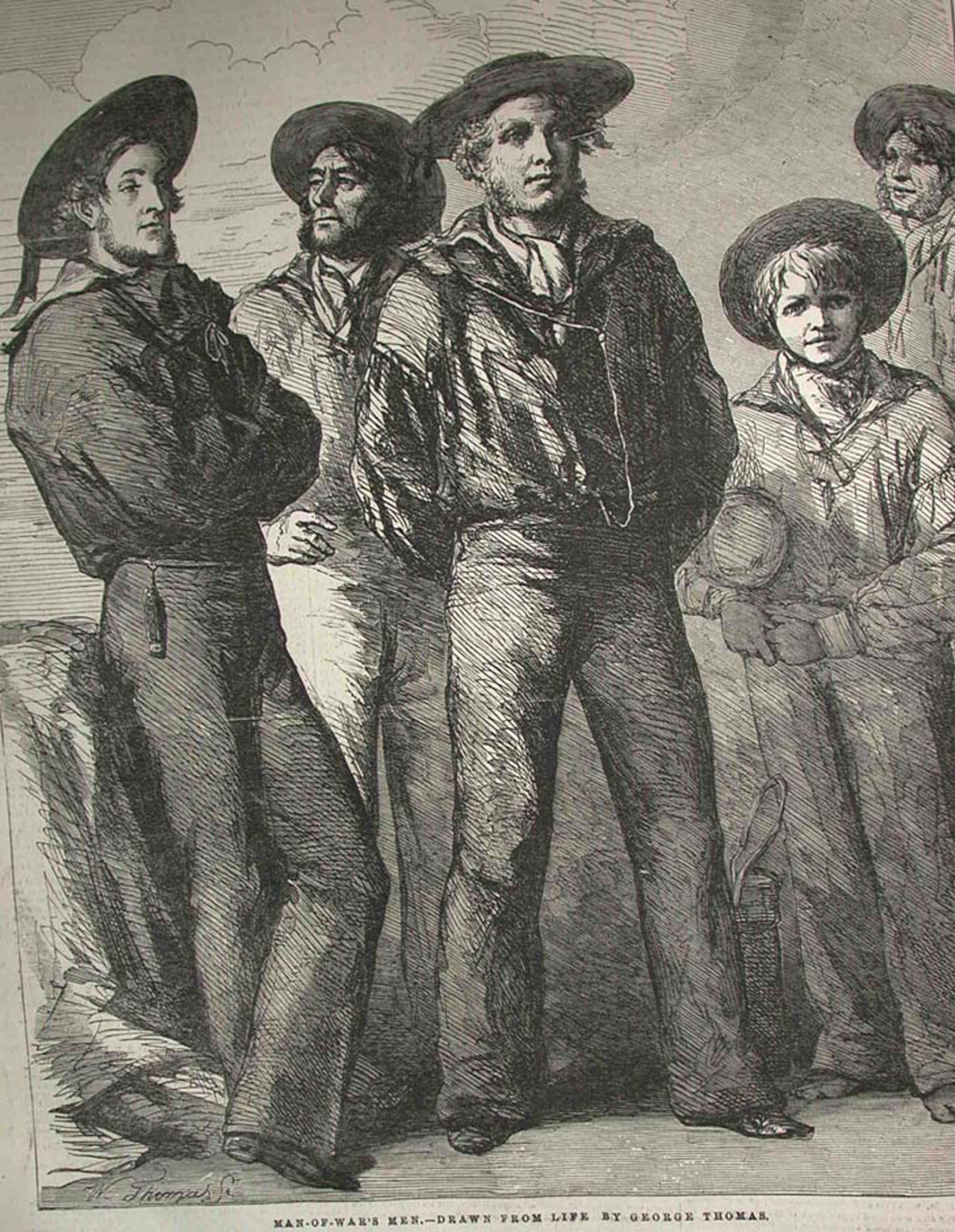
If you ask a historian, denim’s story might begin in Nîmes, France, a quiet town of master weavers and dyers in the late 17th century. Here, artisans experimented with cotton and wool, producing a fabric strong enough to endure daily labor yet fine enough to export. They called it serge de Nîmes (literally “serge from Nîmes”) a tightly woven twill with diagonal ribs celebrated for its durability and its graceful softening over time.
But wait…across the Mediterranean, in the bustling port of Genoa, Italian sailors and dockworkers had their own sturdy cotton fabric, locally known as Genes. Cheap and tough, it was perfect for hauling ropes and barrels.
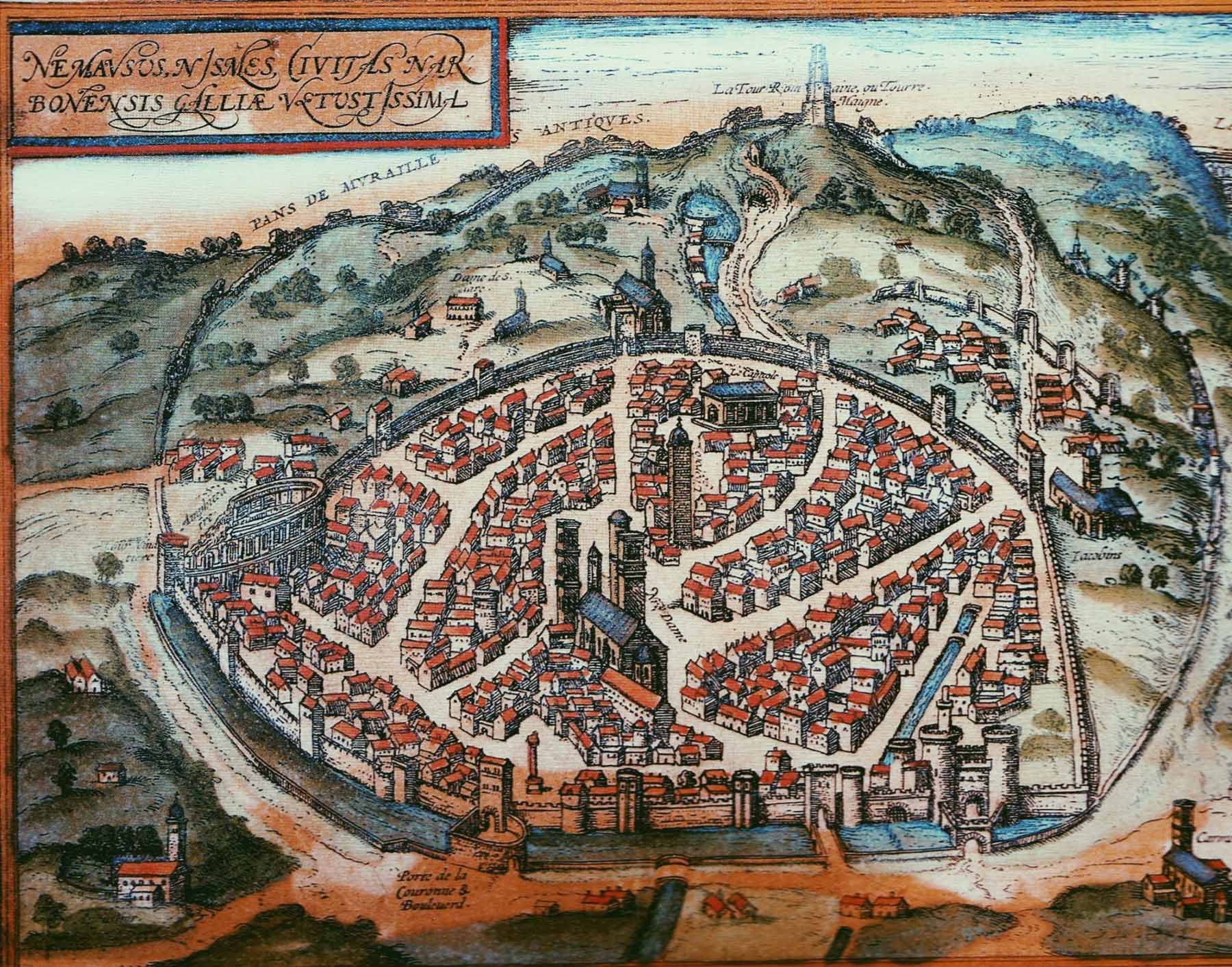
OLD MAP OF Nîmes
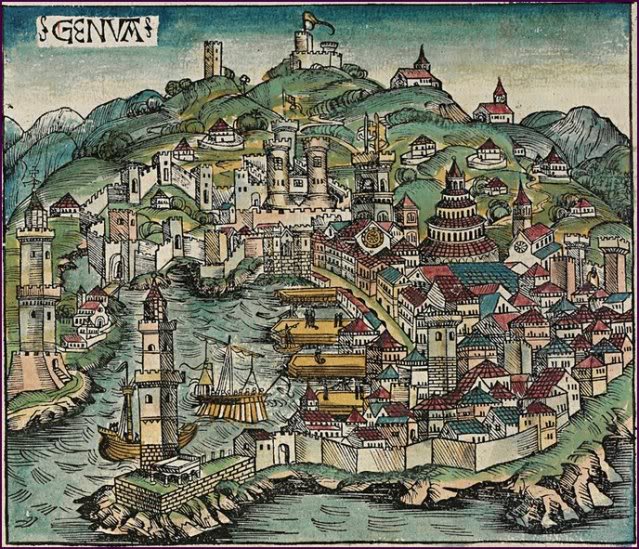
(Fun fact English merchants had a knack for putting their stamp on everything, including the name, and thus, Genes became the world-famous jeans.)
So where did denim really come from? Scholars still argue. Was it the French serge, the Italian Genes, or a little bit of both converging across the waves? The exact origin may be debated, and maybe that’s how legends should be: a little mysterious, a little eternal.
By the mid-nineteenth century, durable blue work fabrics from Europe had arrived in America. These fabrics, often between 8 and 14 ounces per square yard, were stronger than typical cotton and perfect for workwear. Miners during the Gold Rush, farmers tending the plains, and railroad laborers needed trousers that could survive months of hard wear.
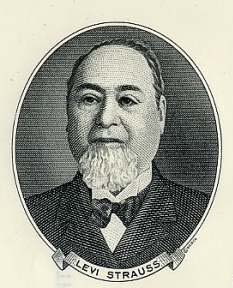
Among those supplying this demand was Levi Strauss, a Bavarian merchant in San Francisco who sold fabric, tools, and supplies to prospectors. Tailor Jacob Davis noticed a recurring problem: pockets ripped, seams split, and trousers simply couldn’t keep up with the work. After several experiments, he reinforced the weak points with tiny copper rivets at pocket corners and the base of the button fly. This simple addition dramatically increased the durability of work trousers, transforming them from ordinary pants into a garment built to last.
In 1873 (California), Strauss and Davis filed a patent for the riveted work pant, officially creating the blue jean. Miners, farmers, and railroad men quickly adopted them, appreciating not only their toughness but also their comfort and practicality. By the turn of the century, Levi Strauss & Co. had elevated these riveted trousers from functional workwear to an American symbol of resilience and quiet style. Decades later, denim would cross another ocean. The fabric that had conquered the American frontier was about to meet a new audience: a generation in Japan curious, resourceful, and eager to explore modern ideas. What started as imported clothing would spark fascination, study, and eventually mastery, laying the foundation for Japan’s own legendary denim culture.
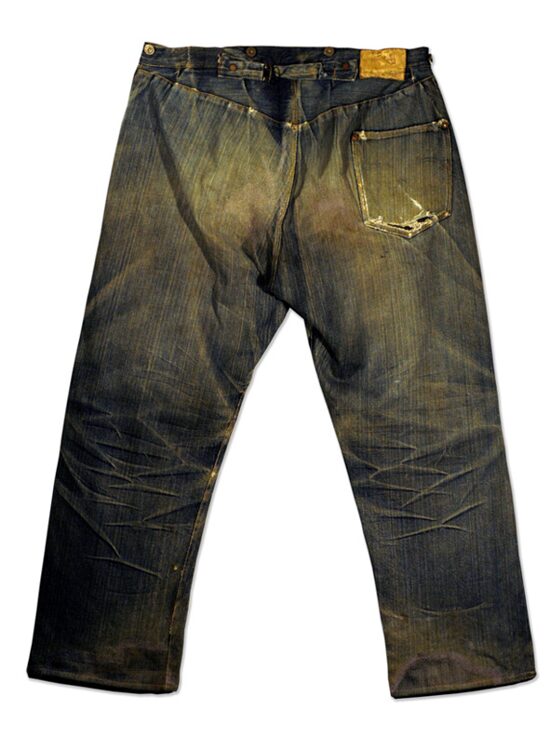
First Levi Strauss & Co. jeans
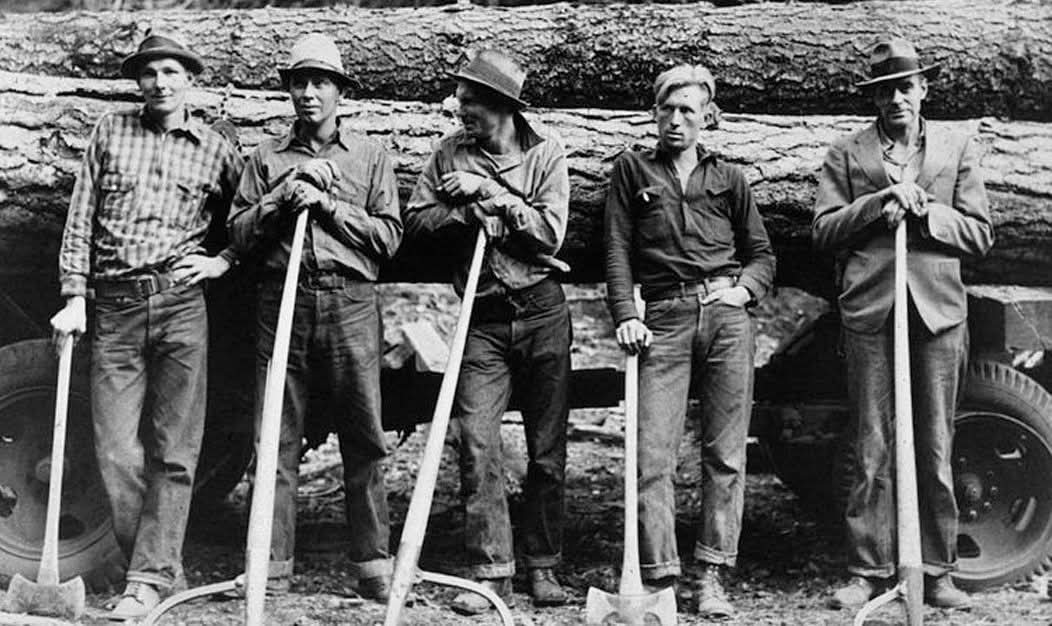
Workers wearing jeans.
From California to Kojima: When the Blue Went East
When the guns of World War II went quiet in 1945, Japan opened its doors to a flood of Western influenceя, and no, not by force this time, but through fascination.
American soldiers stationed across the country during the Allied occupation (1945–1952) brought with them the everyday symbols of a distant, seemingly untouchable modern world: jazz on the radio, Coca-Cola in glass bottles, and blue jeans that looked ready to endure anything.
At first, denim was just another curiosity of the occupation era. But something about it resonated deeply. The Japanese had always admired materials that change beautifully with time: the subtle sheen of aged lacquerware, the fading of indigo on old yukata, the philosophy of wabi-sabi, which finds grace in impermanence. Denim had arrived, still foreign and unfamiliar, yet already hinting at the quiet stories it would carry with each wear
By the early 1950s, jeans appeared on Japanese streets as prized imports from U.S. military PX stores and black-market traders. Each pair told stories of another world, one of freedom, youth, and self-expression. Western films and rock’n’roll amplified that appeal. Marlon Brando in The Wild One, James Dean in Rebel Without a Cause, and Elvis Presley on stage made denim a visual shorthand for independence.
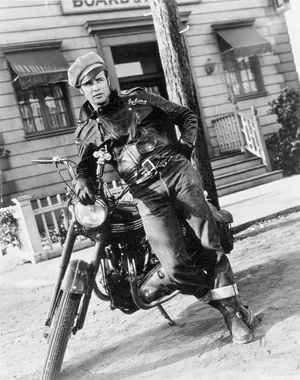
Marlon Brando in The Wild One (1953).
Сredits © Columbia Pictures Corporation
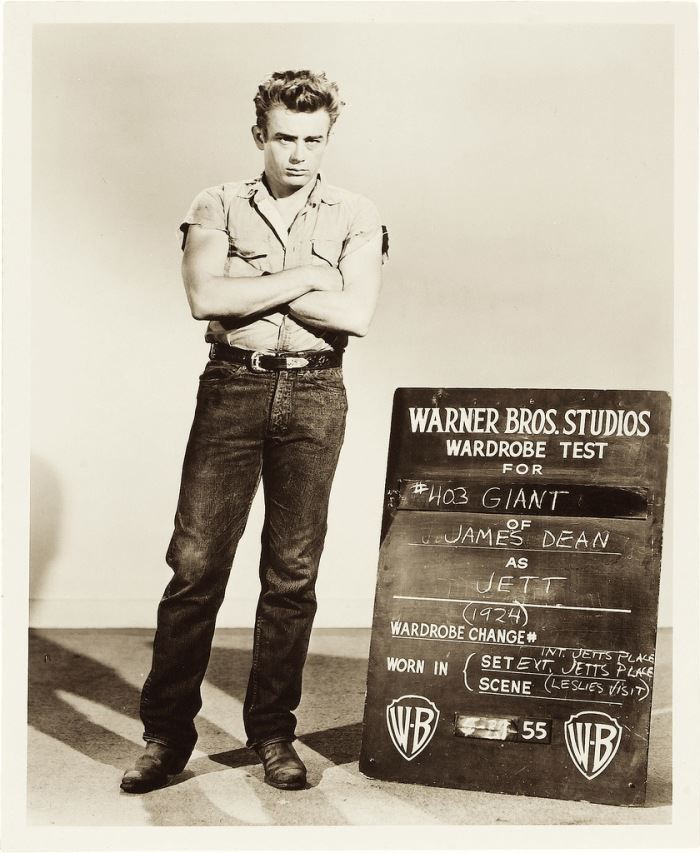
James Dean in Rebel Without a Cause
The media soon noticed the cultural shift. In postwar Japan, newspapers coined the term “Taiyōzoku”, or Sun Tribe, to describe a new generation of affluent, rebellious youth embracing American music, cars, and jeans as symbols of self-determination. What older generations saw as recklessness, the Taiyōzoku saw as liberation. Denim became their badge of identity, everyday armor for a new social freedom.
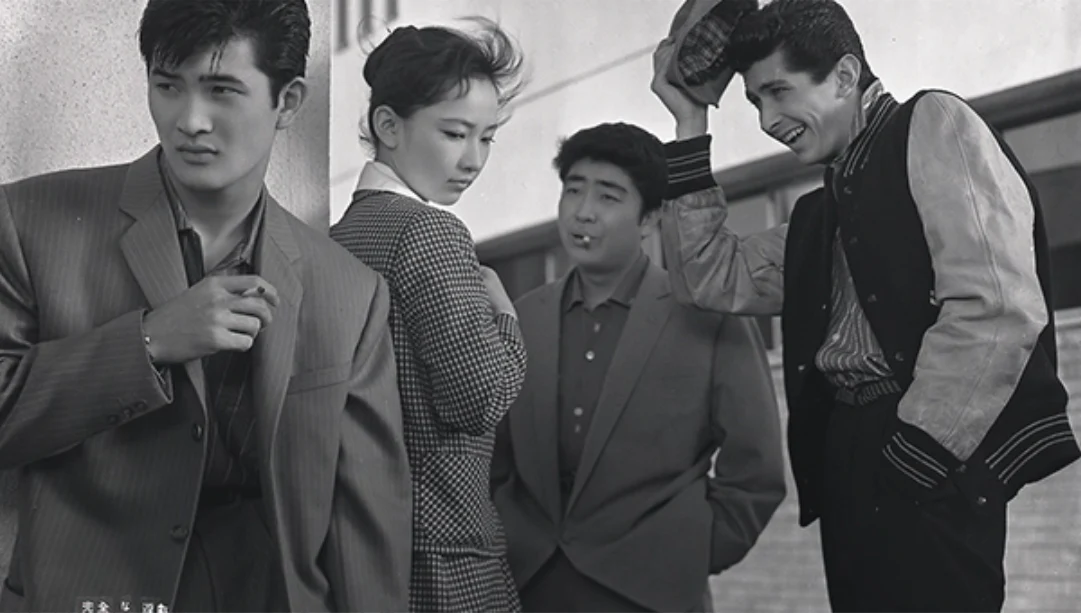
Sensing this growing appetite, Tetsuo Oishi, son of the founder of Oishi Trading Co., began importing up to 30,000 (!) Levi’s 501s per month from the United States. These jeans, worn and faded from real American lives, were sold in Tokyo’s Ameyoko market, where they quickly turned into a real obsession among students and young workers.
The surge of imported Levi’s inspired a new vision: denim that fused the durability of American workwear with the finesse of Japanese craftsmanship. In Kojima, a small coastal town in Okayama Prefecture known for its cotton and workwear production, local manufacturers began to study American jeans with scientific precision. Maruo Clothing Company, the forerunner of Big John, was among the first to deconstruct Levi’s 501s to understand how they were built: every rivet, stitch, and ounce of denim mattered. Easier said than done. Still eight prototypes later, bingo — the perfect structure and fit was finally theirs. In 1965, Maruo released Canton jeans, crafted from American fabric from Canton Textile Mills. A success, for sure. Yet something lingered…can you guess what? Denim of their own, woven and dyed on home soil.
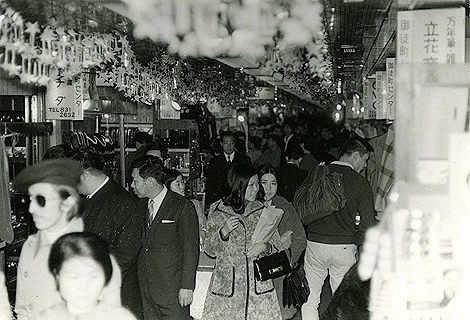
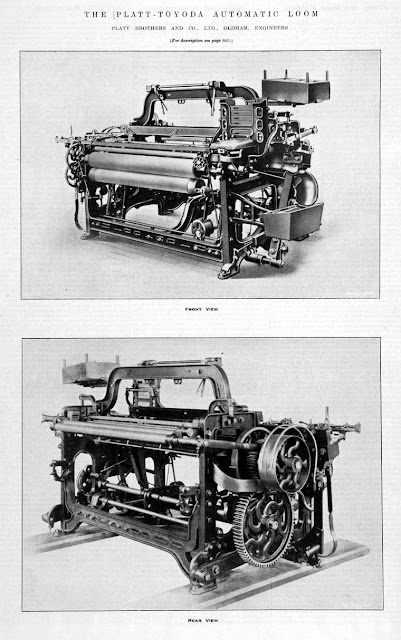
So, the success inspired the next step: producing denim at home. In 1972, Kurabo Mills wove Japan’s first domestic denim fabric, known as KD-8. This milestone signaled a shift from imitation to innovation. Instead of relying on high-speed projectile looms used in the U.S., Japanese mills revived the older Toyoda shuttle looms (yes, you’ve heard it right, the mechanical ancestors of today’s Toyota). These slower machines wove fabric with greater density and left a clean self-finished edge known as selvedge (hold tight, we’ll get to that in a few lines), a technical detail that became the benchmark of quality.
Around the same time, small mills across Okayama and Hiroshima (including Kuroki, Kaihara, and Nihon Menpu) began refining every stage of production: spinning, dyeing, weaving, and finishing. Each factory specialized in a particular technique, creating a network of expertise that elevated Japanese denim to global recognition.
In the Beginning, There Was Twill: What Makes Denim, Denim?
We’ve followed denim’s story from its very beginning. Now it’s time to ask: what truly makes denim, denim? What gives denim its unmistakable charm, that deep, lived-in blue, the way it softens with every season, the way it almost seems to remember its owner and its pathway? Alright, fabric fanatics, lean in. What comes next is denim decoded, stitch by stitch.
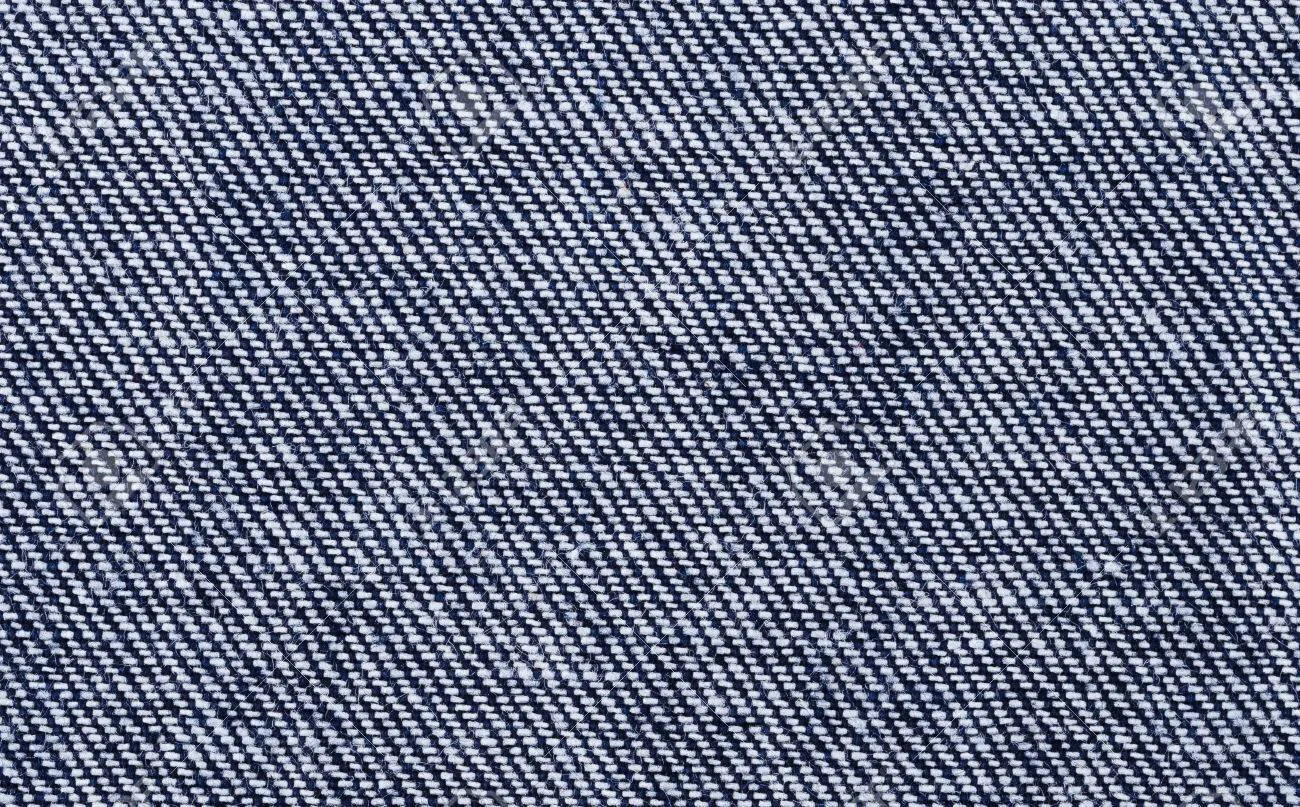
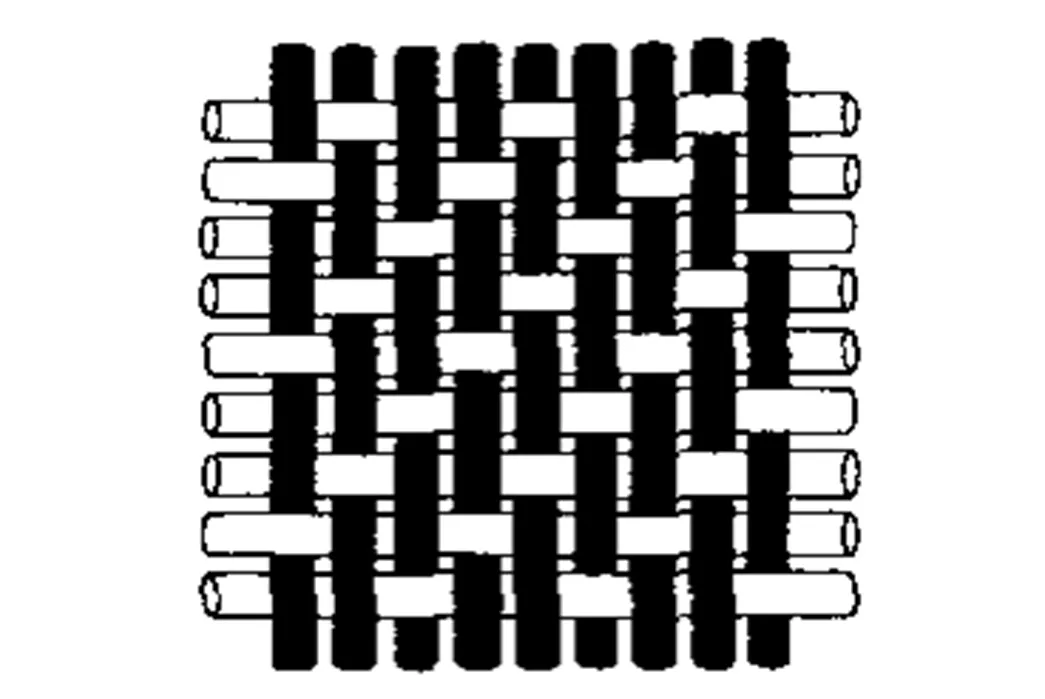
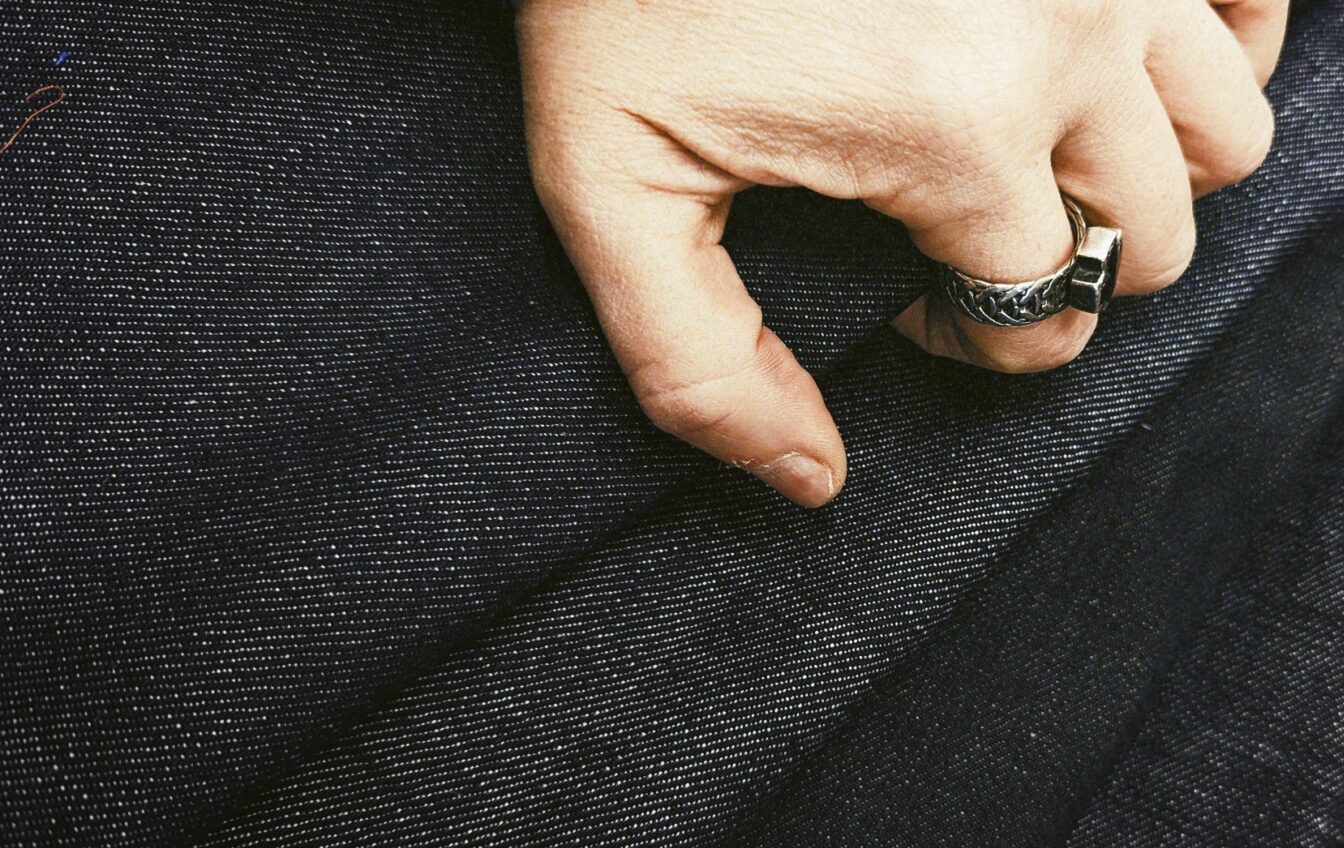
At its foundation, denim is a cotton twill, a diagonal weave that’s as functional as it is beautiful. Two yarns meet on the loom: the warp, stretched tight and dyed in indigo, and the weft, left in its natural off-white shade. Together, they form that signature diagonal grain, a pattern that’s both sturdy and flexible.
Let us mention that this visual poetry is built on physics. The twill structure, most often a 3/1 weave, distributes stress diagonally across the fabric, allowing denim to flex with the body while maintaining remarkable strength. That diagonal tension makes denim nearly indestructible (actually the very reason it graduated from humble work cloth to the backbone of modern apparel).
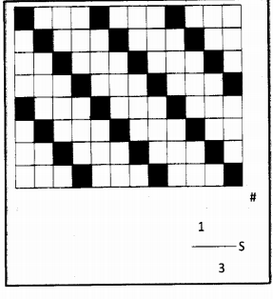
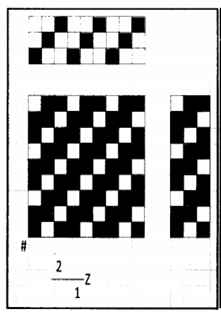
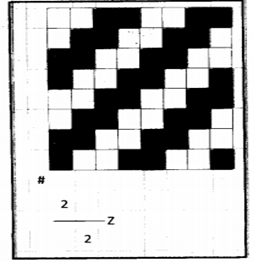
For the record, not all twills are the same. A 2/1 weave is lighter and softer, often used for shirts and summer jackets, while the classic 3/1 twill creates the dense, durable structure found in traditional jeans. A 2/2 balanced twill feels smoother to the touch, commonly seen in chinos or suiting fabrics. Then there’s the broken twill, an intentional disruption of the diagonal pattern introduced to reduce twisting in the legs, a clever solution pioneered in Western denim during the mid-20th century.
Every strand does its part: the warp gives the strength, the weft brings the softness, and the twill keeps the fabric moving with the wearer. That’s why a good pair of jeans doesn’t just last. It’s growing old with its wearer.
Selvedge: The Signature Edge of Purity
As we’ve already heard, in the early days denim was woven on narrow shuttle looms, typically about 28 to 32 inches wide (around 70 to 80 centimeters). Because the shuttle carried the weft yarn continuously back and forth, it created a self-finished edge, a clean border where the yarn turned around neatly, the selvedge (from “self-edge”, yes, that simple). This detail wasn’t decorative; it was structural. The tightly bound edges prevented fraying and eliminated the need for overlocking or binding.
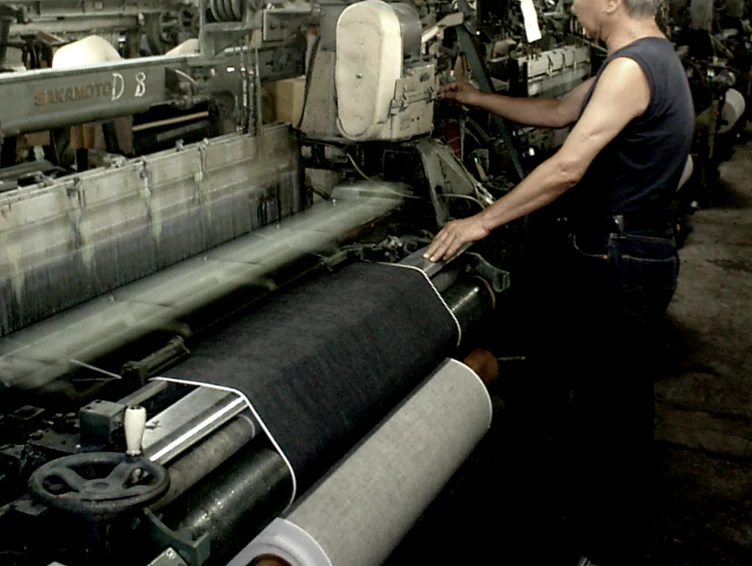
When industrial production scaled up in the 1950s, manufacturers replaced shuttle looms with projectile and air-jet looms (as it always goes meant to churn out more fabric, even if it meant losing a bit of soul along the way). Machines were faster but speed came with a cost: the new looms cut the yarn at each pass, losing that natural self-edge.
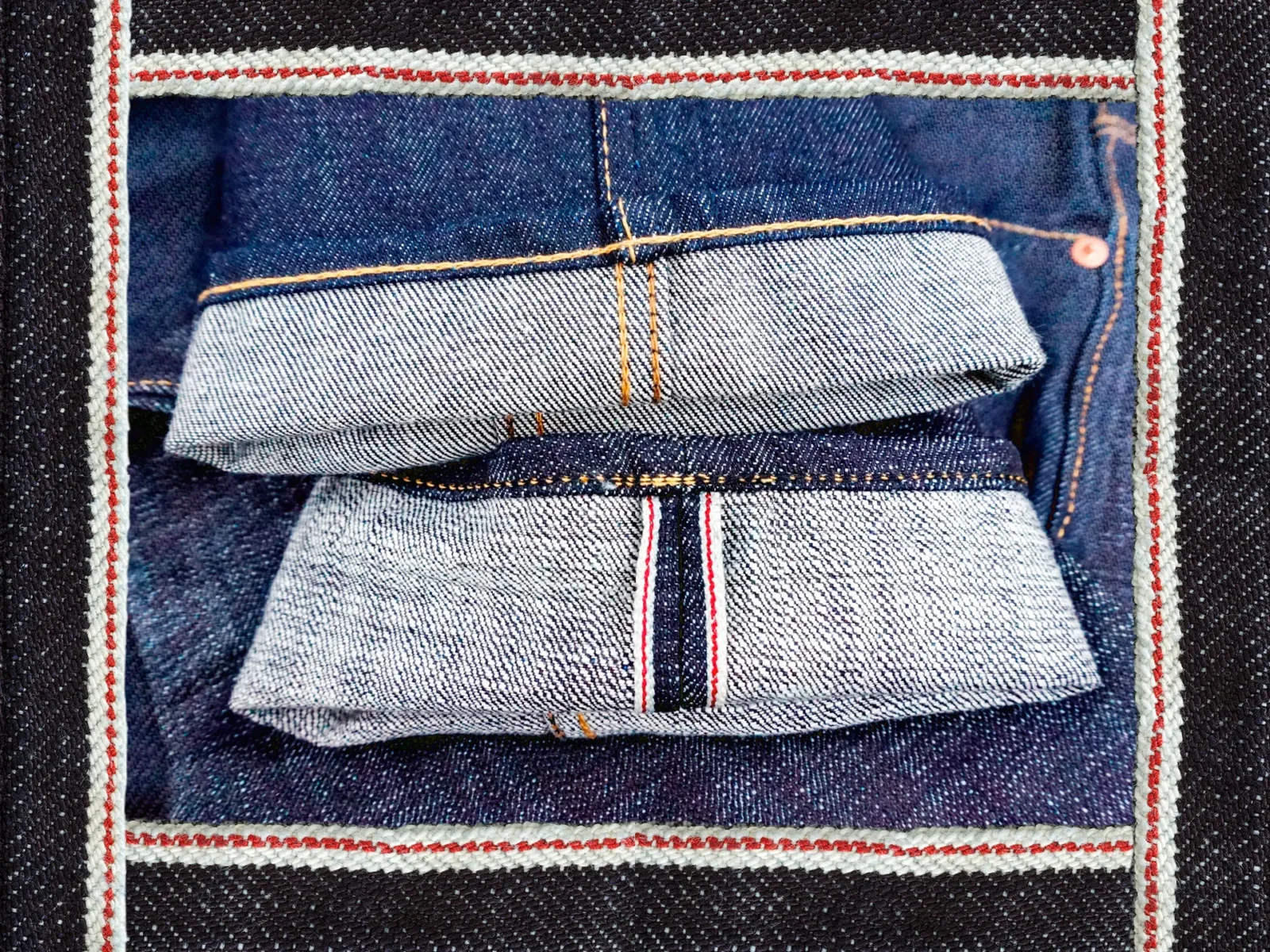
Selvedge denim holds a different energy. The slow weaving process creates a denser, more textured fabric that breathes and breaks in uniquely. You can see the selvedge edge when you roll your cuff, that clean, narrow stripe, often white with a red, less often with blue, or green thread, a signature of its origin.
SO.. why care about that red selvedge? For denim purists, that stripe isn’t a trend; it’s a badge of authenticity. It means the fabric was made the traditional way, with attention paid to every turn of the yarn. To the untrained eye, it’s just the clean edge of a fabric. For those who know, that stripe is the mason’s handshake of denim, a quiet sign that you belong.
Photographs: Getty Images; Collage: Gabe Conte
The Weight of the Cloth
Denim’s weight is measured in ounces per square yard, from the soft, easygoing 10–12 oz. fabrics to the stiff, serious stuff that molds to your body over time. Each crease on the thigh, each fade at the knee, even the shadow of your wallet in the back pocket tells a story. Raw denim enthusiasts call it “breaking in,” but really, it’s a collaboration: you move, the fabric responds, and over months (or years), a pair of jeans becomes uniquely yours.
(Fun fact: The 14 oz. “American-style” denim that Japan later perfected didn’t exist in Japanese mills before the 1960s, lighter fabrics were the norm until local artisans studied and adapted heavier American twill.)
Raw Denim: The Unwritten Story
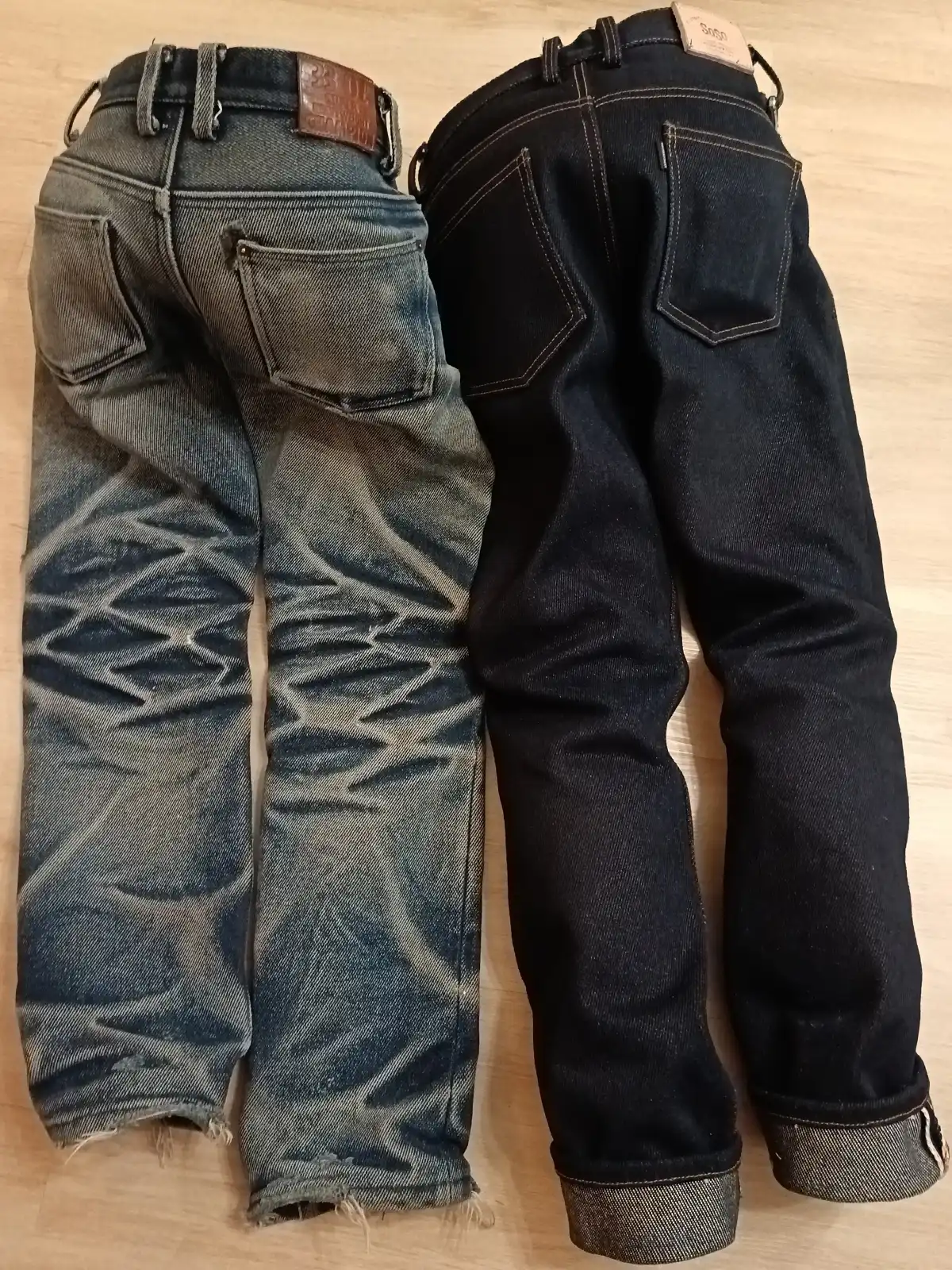
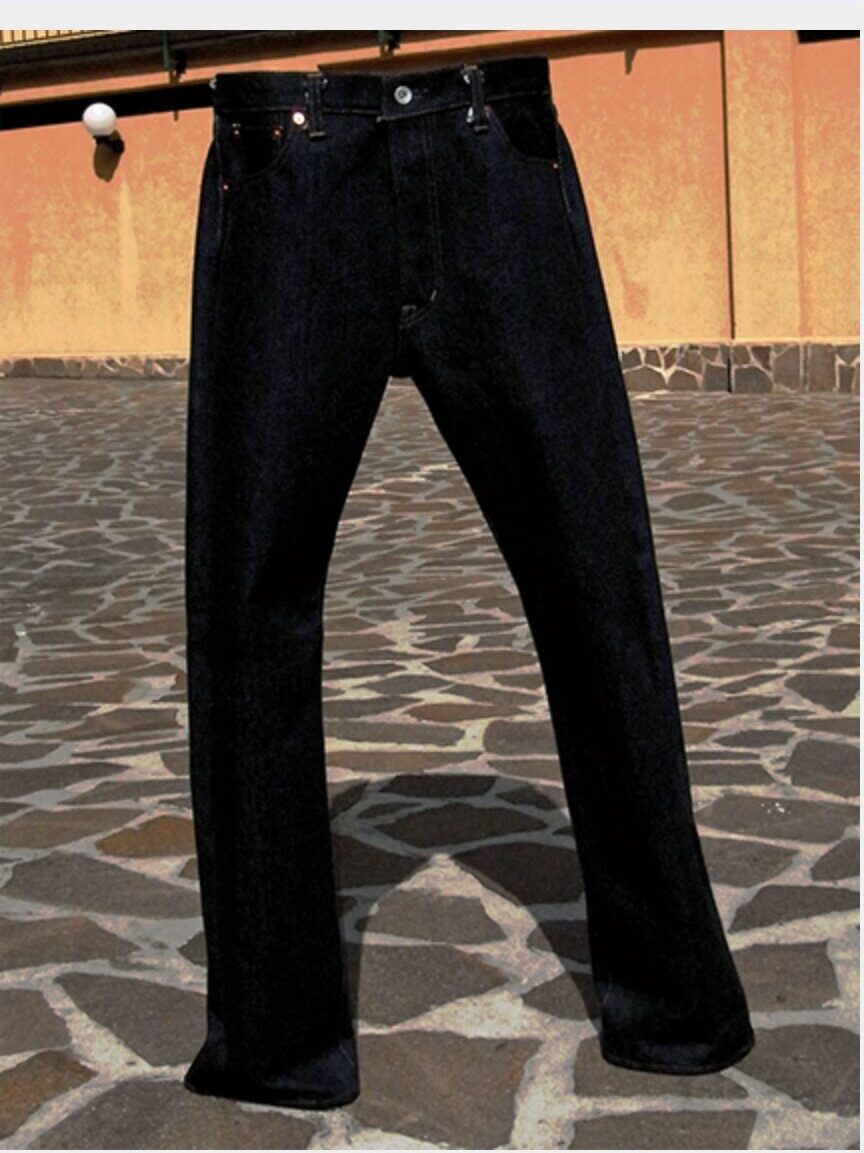
If selvedge is about purity of craft, raw denim is about purity of character. It’s denim in its most honest state: unwashed, untreated, untouched. The fabric leaves the loom stiff, deep in color, and rich in indigo. Most jeans on the market today are pre-washed, stonewashed, or sandblasted to achieve an artificial fade and softness. Raw denim skips all of that. It begins as a blank canvas, waiting for life to mark it naturally.
The magic of raw denim lies in its transformation. Over weeks and months of wear, the fabric softens and shapes to its owner’s movements: every fold, pocket fade, and whisker pattern forming a personal topography of daily life. No two pairs ever age alike. Some enthusiasts wear their jeans daily for six months or more before the first wash, allowing the creases to set deeply and the contrast to bloom. The result is something close to art: a visual diary made of cotton and indigo (and that’s exactly why devotees will pay any price, each pair is a story, a history of your life stitched into fabric.)
The Indigo Alchemy: From Ancient Dye to Modern Craft
Let’s rewind to where it all began, long before denim became a cultural icon, before the first rivet was fastened or the first fade appeared.
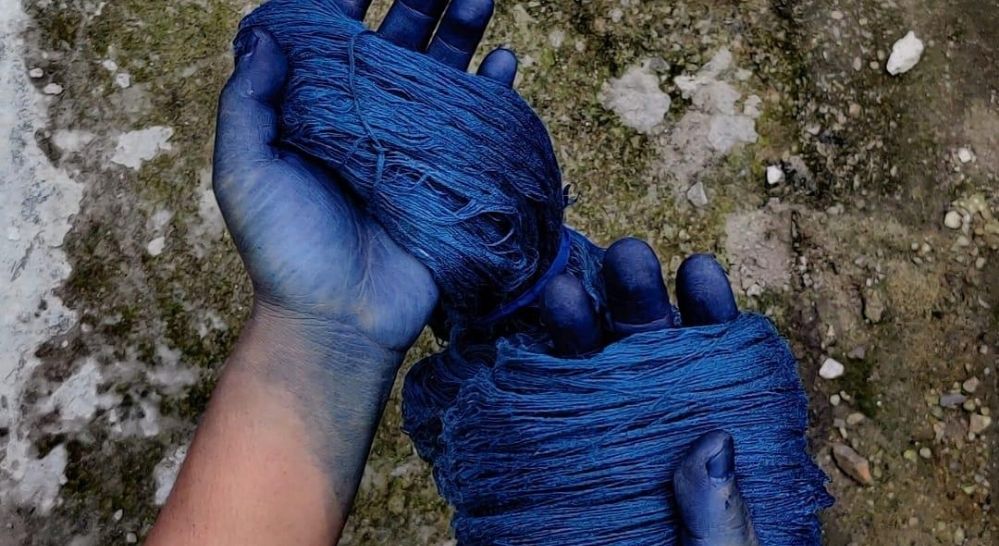
Natural indigo has a history older than any fashion cycle and broader than any border. Across ancient civilizations (from the dye pits of India and Egypt to the indigo farms of China) this pigment was revered as both a color and a symbol. In Japan, it became something sacred. Known as ai-zome, or indigo dyeing, it was the color of victory, purity, and endurance. Samurai warriors dyed the inner linings of their yoroi armor with indigo, believing it could ward off infection and misfortune. Farmers wrapped their hands and feet in indigo cloth for strength, monks wore it as a shade of humility. Over centuries, this blue seeped into the very fabric of Japanese life, from the rice fields to the tatami rooms, until it became part of the country’s identity.
(Fashion Fact: Natural indigo contains antibacterial compounds, making it gentle on the skin and ideal for daily wear, a property known since the age of samurai.)
But indigo was never just a color. It was, and still is a philosophy.
Unlike synthetic dyes that chase uniformity, natural indigo embraces irregularity. Every dip in the dye bath leaves a trace of chance; no two threads ever absorb pigment in the same way. What some call imperfection, Japanese artisans call kokoro, the soul of the work.
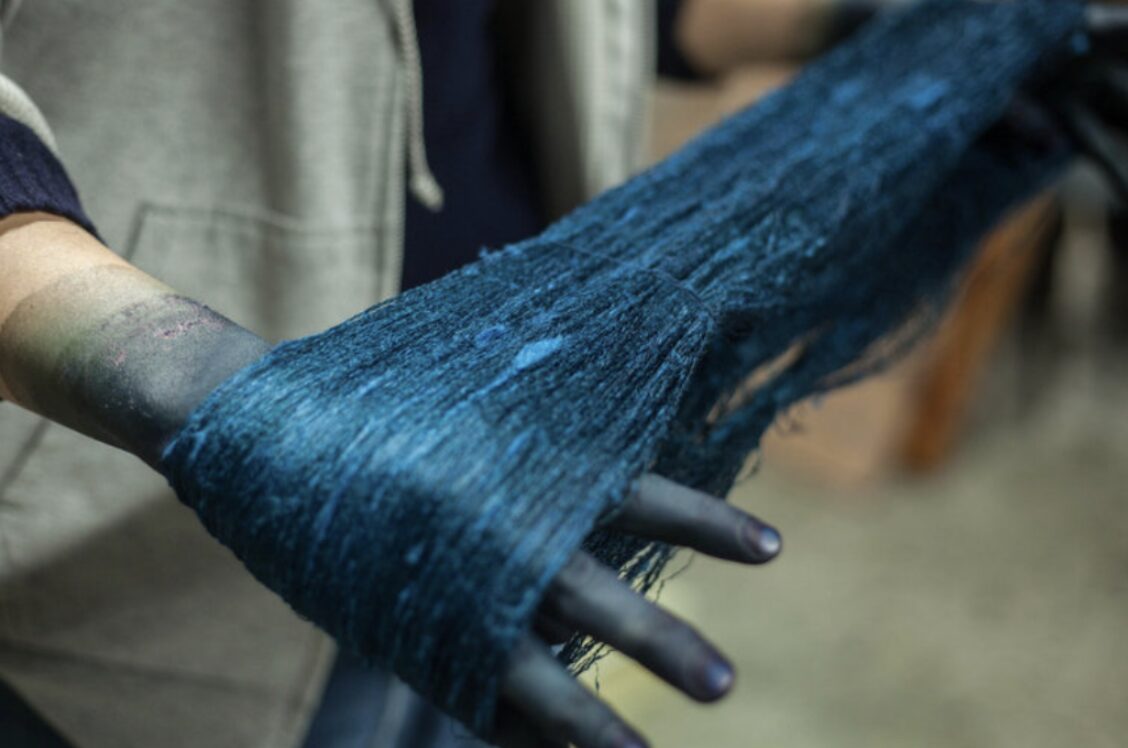
Indigo
Over time, this philosophy met modern craft through the evolution of dyeing itself. Today, there are several distinct ways denim gets its color:
- Rope Dyeing, the most prized and traditional technique, used by heritage mills like Kuroki and Kurabo, involves twisting hundreds of cotton yarns into thick ropes and dipping them repeatedly into indigo vats. Each quick immersion oxidizes on air before the next dip, creating a rich surface blue while leaving the core of the yarn white. This is what gives denim its signature fade, the story that reveals itself with every wear.
- Slasher Dyeing, developed for speed and volume, passes flat sheets of yarn through multiple dye baths in one continuous motion. The result is smoother, more uniform color, ideal for industrial production, though it lacks the tonal depth of rope-dyed denim.
- Natural vs. Synthetic Indigo marks another frontier. While synthetic indigo, invented in the late 19th century, dominates global denim for its precision and efficiency, Japanese mills still honor the ancient fermentation vats of ai-zome, where natural indigo plants (Polygonum tinctorium) are slowly reduced into liquid dye. The process is long, unpredictable, and deeply human, which is exactly why it endures.
And that brings us to Kuroki, one of the rare places where this ancient art still lives and breathes through fabric.
Hidden among the green hills and rice fields of Okayama Prefecture, the Kuroki mill continues Japan’s devotion to craftsmanship with quiet precision. This region is blessed with spring water so pure it becomes the secret ingredient in every dye bath. That same clarity allows Kuroki to achieve astonishing consistency from one batch to the next, a remarkable feat when working with something as volatile as indigo.
At Kuroki, rope dyeing meets philosophy. Every thread is treated like a living thing, dipped, aired, and dyed again until it reaches the right tone. The aim is not uniformity, but balance. Slight variations between yarns give the final denim a kind of musical harmony: depth, vibration, and warmth that industrial dyeing simply can’t replicate.
Kuroki’s guiding principles echo the Japanese idea of coexistence with nature:
Use what the earth gives. Respect what it takes. Create what will last.
As one of Japan’s few start-to-finish denim makers, Kuroki controls every stage of the process: from dyeing to weaving to finishing. The mill uses organic and BCI cotton, valuing not only the quality of fiber but the ethics behind it. Their goal is harmony, between technology and tradition, between human hands and natural materials. The result is denim that feels alive: dense yet soft, structured yet breathing, refined and…human.
Pingback: CABRA: Where Denim, Craft and Character Meet – Constrvctor